Asset Protection Through Professional Security Services
Josh Harris | February 7, 2026
The Strategic Importance of Modern Asset Protection
A single security breach can unravel years of business growth in hours. The FBI's 2023 Uniform Crime Reporting (UCR) data and National Incident-Based Reporting System (NIBRS) estimates indicate that property crimes cost U.S. businesses approximately $15.3 billion annually, with commercial burglaries averaging about $2,100 per incident before accounting for operational disruption. These numbers tell only part of the story, as reputational damage and lost client confidence often exceed direct financial losses by a factor of three.
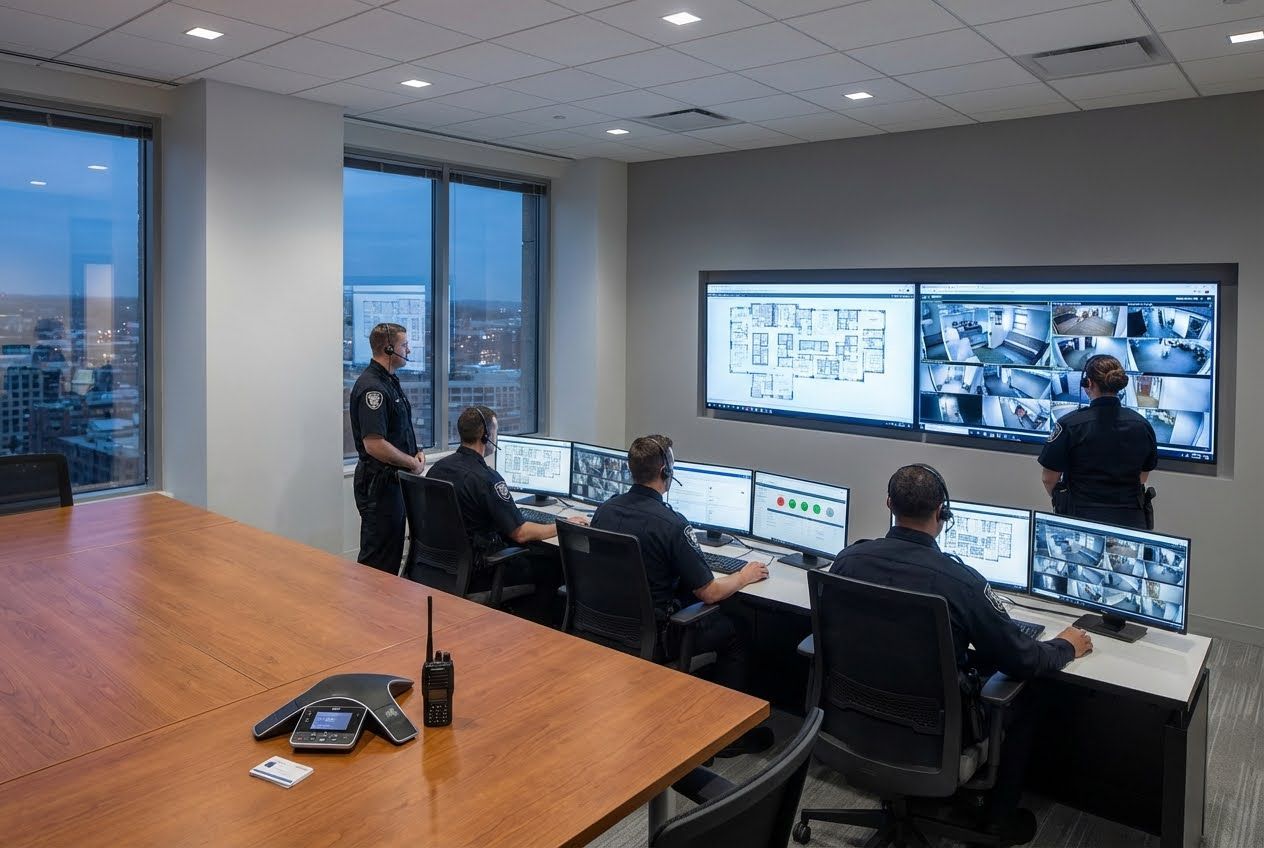
Professional security services provide the structured defense that modern businesses require. Unlike reactive approaches that address problems after they occur, asset protection through professional security services creates layered prevention systems. According to 2024 ASIS International benchmarking reports, companies that implement integrated human and technological security measures experience up to 60% fewer incidents than those relying solely on electronic measures. This isn't a coincidence: human judgment combined with technology creates coverage that neither achieves alone.
Defining Tangible and Intangible Assets
Tangible assets include physical property, inventory, equipment, and cash. A distribution center might protect $3 million in warehouse goods, while a retail location guards daily cash deposits and merchandise.
Intangible assets demand equal attention:
- Proprietary data and trade secrets
- Customer information and payment records
- Brand reputation and market positioning
- Employee safety and workplace security
Both categories require distinct protection strategies that professional security teams coordinate simultaneously.
The Economic Impact of Security Breaches
The average commercial theft results in approximately $1,500 in direct losses. Factor in investigation time, insurance deductibles, replacement delays, and productivity disruption, and actual costs triple. Studies from the U.S. Chamber of Commerce (2024) indicate that businesses with repeated security incidents experience employee turnover increases of around 20%, as staff seek safer work environments.
Core Components of Professional Security Services
Effective asset protection combines multiple disciplines working in coordination. No single measure provides complete coverage, but integrated approaches create overlapping protection zones that eliminate gaps.
Physical Surveillance and On-Site Guarding
Trained security guards serve as the visible deterrent that electronic systems cannot replicate.
Cascadia Global Security deploys both armed and unarmed personnel based on site-specific risk assessments. Guards handle access control, conduct regular patrols, and provide immediate response when incidents occur.
Key functions include:
- Monitoring entry points and verifying credentials
- Conducting scheduled and random patrol routes
- Documenting unusual activity for incident reports
- Coordinating with law enforcement when necessary
Advanced Electronic Monitoring Systems
Camera systems, motion sensors, and alarm networks extend coverage beyond what personnel alone can achieve. Modern installations use high-definition recording with a minimum 30-day digital retention, compliant with most state evidentiary standards, ensuring evidence preservation for investigations. Integration with guard stations allows real-time verification of alerts, reducing false alarm responses by an average of 35%.
Access Control and Perimeter Defense
Controlling who enters a facility prevents most security incidents before they begin. Badge systems, biometric readers, and visitor management protocols create documented entry records. Perimeter fencing, lighting, and vehicle barriers establish clear boundaries that deter opportunistic criminals.
Risk Assessment and Mitigation Strategies
Generic security plans fail because they ignore site-specific vulnerabilities. Effective asset protection starts with a thorough assessment of actual threats, not assumptions about what might happen.
Identifying Vulnerabilities in Business Infrastructure
Professional assessments examine physical layout, operational patterns, and historical incident data. A warehouse operating three shifts faces different challenges than a corporate office with standard business hours. Assessments typically reveal:
- Unsecured secondary entrances
- Blind spots in camera coverage
- Gaps in patrol timing
- Inadequate lighting in parking areas
- Insufficient visitor verification procedures
Customizing Security Protocols for Industry Specifics
Construction sites require different protection than retail environments.
Cascadia Global Security develops industry-specific protocols addressing unique operational requirements. A pharmaceutical distribution center needs chain-of-custody documentation, while a manufacturing facility prioritizes equipment protection and employee safety.
Customization factors include:
- Regulatory compliance requirements
- Asset value and portability
- Public access levels
- Operating hours and staffing patterns
Technological Integration in Asset Security
Technology amplifies human capability when properly implemented. The goal isn't replacing personnel but enhancing their effectiveness through better information and faster response.
AI and Predictive Analytics for Threat Detection
Machine learning algorithms analyze patterns in security data to identify anomalies before incidents occur. Systems flag unusual access attempts, recognize behavioral patterns associated with theft, and prioritize alerts based on threat probability. Guards receive actionable intelligence rather than overwhelming data streams.
IoT-Enabled Asset Tracking and Recovery
GPS tracking, RFID tags, and connected sensors provide real-time asset location data. When theft occurs, tracking information accelerates recovery and supports law enforcement investigations. Recent data (2025) from the National Equipment Register shows recovery rates for GPS- or
RFID-tracked assets averaging 58%, compared to about 18% for untracked property.
Legal and Compliance Benefits of Professional Security
Security investments deliver returns beyond loss prevention. Proper documentation and professional protocols satisfy regulatory requirements while reducing liability exposure.
Meeting Insurance Requirements and Reducing Premiums
Insurance carriers reward proactive security measures with premium reductions averaging 10–20%. Required documentation includes:
- Guard post orders and patrol logs
- Incident reports and response records
- System maintenance documentation
- Training certifications for personnel
Businesses that maintain comprehensive security programs negotiate better coverage terms and experience faster claims processing.
Ensuring Regulatory Compliance and Liability Protection
Industries handling sensitive data, controlled substances, or high-value goods face specific security mandates. Professional security services ensure compliance with
HIPAA, DEA regulations, and industry-specific requirements. Properly documented security measures demonstrate reasonable care and can reduce exposure to premises liability under U.S. tort law, but they do not provide absolute immunity from negligence claims.
Maximizing ROI through Managed Security Solutions
Security spending should generate measurable returns. Managed solutions from providers like
Cascadia Global Security deliver cost efficiency through economies of scale, centralized oversight, and continuous optimization.
The ROI calculation includes:
- Direct loss reduction from prevented incidents
- Insurance premium savings
- Reduced employee turnover and training costs
- Avoided regulatory penalties
- Protected brand value and customer relationships
Companies implementing comprehensive security programs typically achieve positive ROI within 12–24 months, with ongoing returns increasing as programs mature.
Frequently Asked Questions
How do professional security services differ from alarm monitoring companies?
Alarm monitoring provides notification when sensors trigger. Professional security services include human response, investigation, and prevention. Guards assess situations, make judgment calls, and take immediate action, capabilities that remote monitoring cannot replicate.
What industries benefit most from asset protection services?
Retail, distribution, construction, healthcare, and corporate facilities see the highest returns. Any business with valuable inventory, sensitive data, or public access benefits from professional security. Risk levels and asset values determine appropriate investment levels.
How quickly can security services be deployed for emergency situations?
Experienced providers deploy temporary coverage within 12–48 hours for emergency situations. Permanent installations typically require 1–2 weeks for assessment, planning, and personnel assignment. Construction sites and special events often use rapid deployment options.
What qualifications should security personnel have?
Professional guards should hold state licensing, pass background checks, and complete industry-specific training. Armed personnel require additional certification. Off-duty law enforcement officers typically operate under private employment authority and do not retain police powers while working private security assignments, though they bring advanced training and situational awareness beneficial for high-risk environments.
How do businesses measure the effectiveness of their security programs?
Key metrics include incident frequency, response times, loss values, and near-miss documentation. Effective programs show declining incident rates, faster response times, and improved detection of attempted breaches. Regular audits verify protocol compliance.
Building Lasting Asset Protection
Protecting business assets requires commitment to professional standards and continuous improvement. The investment in qualified personnel, appropriate technology, and documented procedures creates defense systems that adapt to evolving threats. Organizations that treat security as a strategic priority rather than an expense consistently outperform those that take a reactive approach.
For businesses ready to strengthen their security posture, Cascadia Global Security offers veteran-owned expertise in guard services, patrol operations, and customized protection programs. Explore your options to discuss how tailored security solutions can protect your assets and operations.