Hospital Security Services: Maintaining Safety in Critical Care Settings
Josh Harris | February 6, 2026
A hospital never closes. At 3 AM, the emergency department receives trauma patients, intensive care nurses monitor critical vitals, and families keep anxious vigils outside surgical suites. This around-the-clock operation creates unique security challenges that differ fundamentally from any other environment. Hospital security services must protect patients, staff, and visitors while preserving the open, accessible atmosphere essential to healthcare delivery. The stakes are exceptionally high: security failures in critical care settings can directly impact patient outcomes, staff retention, and institutional liability. Research from the International Association for Healthcare Security and Safety shows that healthcare workers face workplace violence rates five times higher than other industries, according to 2024 IAHSS and U.S. Bureau of Labor Statistics data. Effective security in these environments requires specialized training, integrated technology, and protocols tailored to medical settings.
The Evolving Role of Security in Modern Healthcare
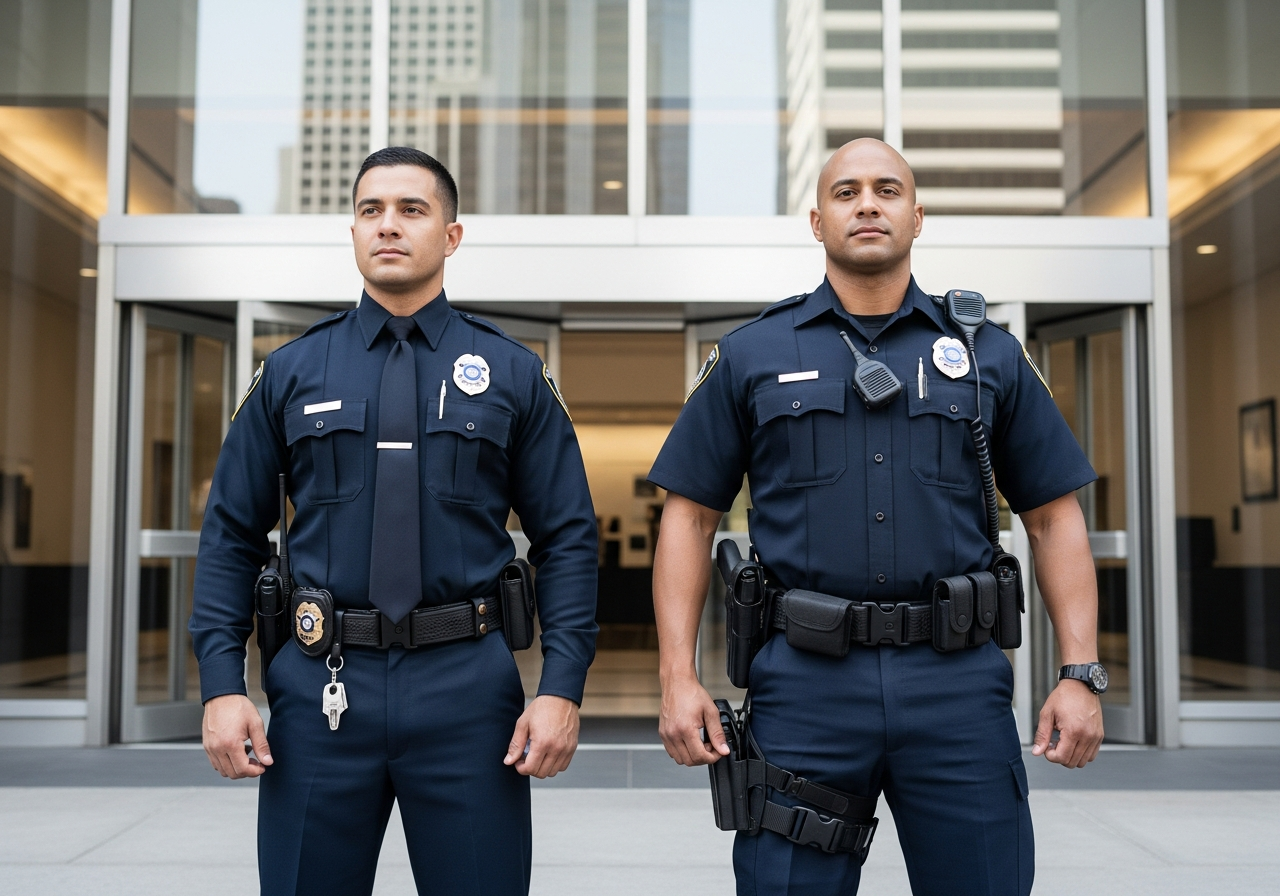
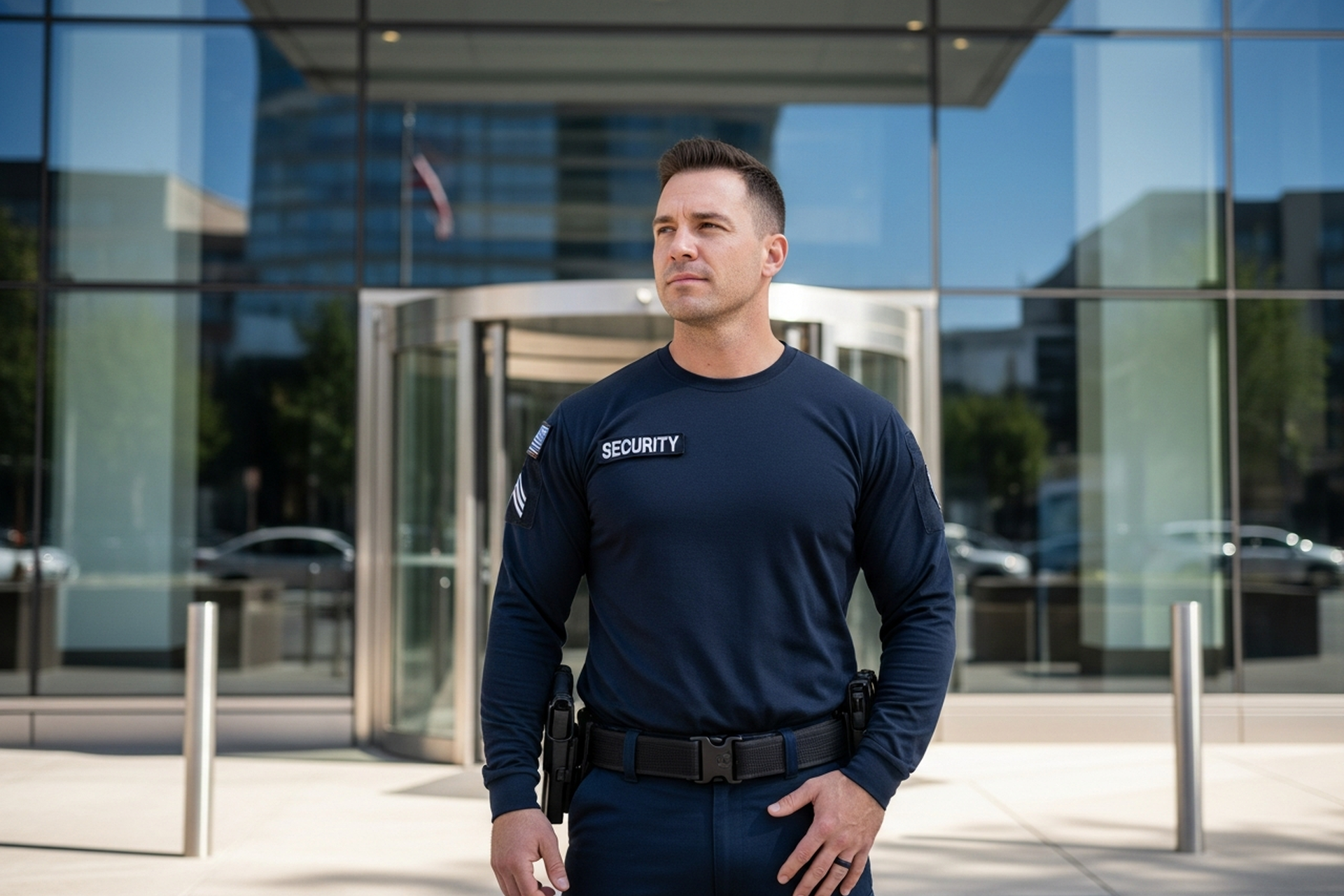
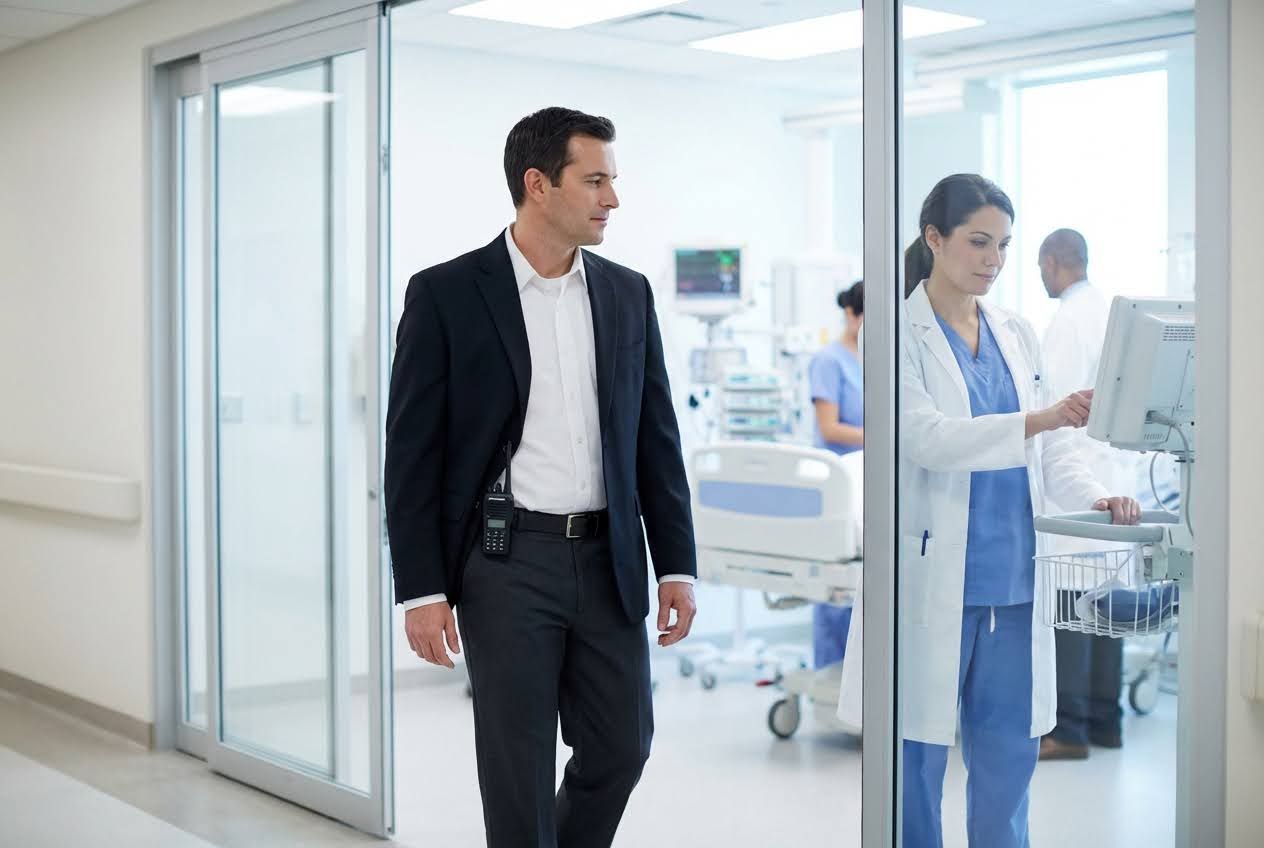
Hospital security has evolved from simple watchman duties to a sophisticated discipline that requires medical awareness, crisis intervention skills, and technological proficiency. Security officers now function as integral members of the healthcare team.
Balancing Open Access with Patient Safety
Hospitals must welcome patients and families while protecting vulnerable populations. This tension shapes every security decision.
- Emergency departments cannot lock doors to incoming patients, yet must control access to treatment areas
- Pediatric and psychiatric units require strict visitor protocols without creating institutional atmospheres
- Pharmacy and medication storage areas need protection from diversion while remaining accessible to clinical staff
- Maternity wards balance family bonding time with infant abduction prevention
Successful programs establish layered access controls that tighten progressively as visitors move deeper into clinical areas. Public spaces remain welcoming, while sensitive areas require credentials.
De-escalation Strategies in High-Stress Environments
Healthcare settings generate emotional intensity that can quickly escalate into confrontation. Patients receive difficult diagnoses, families face life-and-death decisions, and wait times test everyone's patience.
Security personnel in these environments need specialized training beyond standard guard protocols. Cascadia Global Security provides officers trained in verbal de-escalation techniques specific to healthcare settings, recognizing that physical intervention should always be the last resort. Effective de-escalation requires reading behavioral cues, maintaining calm authority, and understanding that patients and families under extreme stress may behave unpredictably.
Specialized Protocols for Critical Care Units
Critical care environments demand security approaches calibrated to their unique operational requirements. The protocols protecting an ICU differ substantially from those appropriate for outpatient clinics.
Controlling Access to Intensive Care and Surgical Suites
Intensive care units and operating rooms require the strictest access controls in any hospital. Unauthorized entry can introduce infection, disrupt life-saving procedures, or compromise patient privacy.
Effective access control in these areas typically includes:
- Badge-activated doors with role-based permissions that restrict entry to authorized personnel
- Visitor management systems track who enters, when, and for how long
- Security officer presence during high-risk periods, such as shift changes and visiting hours
- Documented protocols for emergency access when credentials fail
Surgical suites present additional challenges during case turnover, equipment delivery, and emergency procedures. Security protocols must accommodate these operational realities without creating bottlenecks.
Managing Disruptive Behavior in Emergency Departments
Emergency departments experience the highest rates of workplace violence in healthcare settings. Patients arrive in crisis, often under the influence of substances or experiencing psychiatric emergencies. Wait times generate frustration that can boil over into aggression.
Security staffing in EDs requires constant presence rather than patrol-based coverage. Officers positioned at triage areas can identify potential problems before they escalate. Clear sight lines, panic buttons, and established response protocols give clinical staff confidence to focus on patient care.
Integrated Security Technologies for Hospitals
Modern hospital security combines human judgment with technological capabilities that extend observation and response capacity far beyond what officers alone could achieve.
Biometric Access Control and Smart Credentialing
Traditional badge systems create vulnerabilities through lost credentials, shared access cards, and outdated permissions. Biometric systems address these gaps.
- Fingerprint and palm vein readers prevent credential sharing
- Facial recognition technology use in hospitals must comply with state privacy laws, such as the Illinois Biometric Information Privacy Act (BIPA) and similar legislation adopted in multiple states by 2025
- Smart cards with embedded chips resist cloning and duplication
- Automatic permission updates when staff change roles or leave employment
Integration with hospital HR systems ensures that access permissions remain current. When a nurse transfers from general medicine to the ICU, their credentials update automatically.
Real-Time Surveillance and AI-Driven Threat Detection
Camera systems have evolved from passive recording devices into active security tools. AI-powered analytics can identify concerning behaviors before incidents occur.
Modern systems detect loitering in restricted areas, recognize aggressive body language, and alert security to individuals who appear on facility watch lists. These capabilities multiply the effectiveness of security personnel by directing their attention to genuine concerns rather than routine activity.
Regulatory Compliance and Risk Management
Healthcare security operates within a complex regulatory framework that shapes permissible practices and documentation requirements.
Adhering to HIPAA and Patient Privacy Standards
Security personnel have access to sensitive areas where protected health information is visible. HIPAA training ensures officers understand their obligations regarding patient privacy.
Key compliance requirements include:
- Minimum necessary access principles limiting officer presence in clinical areas
- Prohibition on discussing patient information observed during security duties
- Proper handling of any documentation containing patient identifiers
- Recognition that privacy protections may only be overridden in specific emergencies defined under HIPAA’s permitted disclosure exceptions, such as preventing or lessening a serious and imminent threat to health or safety
Violations carry substantial penalties. Security programs must document training and maintain compliance records.
CMS and The Joint Commission Safety Requirements
The Centers for Medicare & Medicaid Services (CMS) and The Joint Commission establish patient safety standards that indirectly influence, but do not explicitly regulate, hospital security operations. Accreditation surveys evaluate security policies, training documentation, and incident response procedures.
Hospitals maintaining safety in critical care settings must demonstrate comprehensive security programs addressing workplace violence prevention, emergency preparedness, and environmental safety. Cascadia Global Security helps healthcare clients develop documentation systems that satisfy surveyor requirements while supporting operational effectiveness.
Emergency Preparedness and Crisis Response
Hospitals must prepare for threats ranging from individual violent actors to mass casualty events. Security plays a central role in emergency response planning and execution.
Active Shooter and External Threat Protocols
Active shooter incidents in healthcare settings present unique challenges. Patients cannot simply evacuate. Operating rooms cannot abandon procedures. Security response must account for these realities.
Effective protocols include:
- Lockdown procedures that protect patients while allowing continued care
- Communication systems that reach all areas, including operating rooms and procedure suites
- Coordination with clinical leadership on shelter-in-place decisions
- Regular drills that test response without disrupting patient care
Training extends beyond security personnel to include clinical staff who must make rapid decisions about patient safety during threats.
Coordinated Response with Local Law Enforcement
Hospital security cannot handle every threat independently. Established relationships with local law enforcement ensure smooth coordination during serious incidents.
Pre-incident planning includes facility tours for responding officers, shared radio frequencies, and designated command post locations. When seconds matter, prior coordination eliminates confusion that costs lives.
Frequently Asked Questions
What qualifications should hospital security officers have?
Hospital security officers should complete healthcare-specific training covering HIPAA compliance, de-escalation techniques, emergency response protocols, and basic medical terminology. Many facilities require officers to obtain certifications from the International Association for Healthcare Security and Safety.
How do hospitals balance security with patient experience?
Effective programs use layered access controls that maintain welcoming public areas while protecting sensitive clinical spaces. Trained officers who understand healthcare culture can enforce security protocols while treating patients and families with compassion.
What technologies are most important for hospital security?
Integrated access control systems, video surveillance with analytics capabilities, and panic button networks form the foundation of modern hospital security. Mobile communication devices that connect security with clinical staff enable rapid response.
How often should hospitals conduct security assessments?
Comprehensive assessments should occur at least annually, with interim reviews or after-action evaluations following significant incidents, per updated 2025
IAHSS guidelines. Quarterly reviews of incident data help identify emerging concerns before they become serious problems.
What role does security play during hospital emergencies?
Security personnel typically coordinate evacuation or shelter-in-place procedures, control access points, communicate with responding agencies, and protect critical infrastructure. Their role varies depending on the type of emergency and facility-specific protocols.
The Impact of Security on Clinical Outcomes
Security quality directly affects clinical performance. Staff who feel unsafe cannot focus fully on patient care. High turnover driven by workplace violence concerns disrupts continuity and increases costs.
Research summarized in a 2023 American Hospital Association report and peer-reviewed studies indicates that hospitals with robust workplace violence prevention and security programs experience improved staff retention and patient satisfaction. Security is not merely a cost center but an investment in operational excellence.
Healthcare organizations seeking professional hospital security services should partner with providers who understand the unique demands of medical environments. Cascadia Global Security offers trained personnel, local management teams, and specialized healthcare security expertise. Contact them to discuss your facility's specific requirements.