Security Support for Businesses in Austin, Texas
Josh Harris | February 18, 2026
Austin's tech-driven economy and rapid population growth have created a perfect storm of security challenges for local businesses. From data breaches targeting Silicon Hills startups to physical threats at expanding retail centers, companies across Central Texas face risks that demand sophisticated, multi-layered protection. The numbers tell the story: Texas ranked third nationally in reported data breaches in 2025, and Austin-area businesses experienced a 29% increase in cybersecurity incidents compared to the previous year. Physical security concerns have grown alongside a 14% increase in commercial property crimes in Travis County during the same period. For businesses seeking comprehensive security support in Austin, Texas, the question isn't whether to invest in protection, but how to build a program that addresses both digital and physical vulnerabilities while remaining compliant with state and federal regulations.
The Evolving Security Landscape for Austin Businesses
Austin's transformation from a mid-sized state capital to a major technology hub has fundamentally changed the threat environment. The city now hosts operations for Tesla, Apple, Google, and hundreds of venture-backed startups, making it a high-value target for both cybercriminals and traditional thieves.
Unique Challenges for the Silicon Hills Tech Sector
Tech companies face a distinct risk profile. Intellectual property theft, corporate espionage, and ransomware attacks represent existential threats to startups whose entire value may reside in proprietary code or customer data. A single breach can destroy years of development work and investor confidence.
The hybrid work model adds complexity. Employees accessing sensitive systems via coffee shops, co-working spaces, and home networks exponentially expand the attack surface. Physical security at headquarters means little when credentials can be compromised from anywhere.
Regulatory Compliance for Texas Enterprises
Texas businesses must navigate an increasingly complex regulatory environment. Businesses face complex compliance requirements, including the rigorous data-handling standards under the
Texas Data Privacy and Security Act (TDPSA). Adherence to industry-specific regulations such as HIPAA, PCI DSS, and SOC 2 adds significant and essential layers of compliance.
Non-compliance carries real consequences. Fines can reach millions of dollars, and regulatory violations often trigger mandatory breach notifications that damage customer trust. Companies operating across state lines face even greater complexity, as they must comply with both Texas requirements and stricter standards in states like California.
Managed Cybersecurity Services
Outsourcing cybersecurity operations to specialized providers has become the default approach for mid-market Austin businesses. The economics are straightforward: building an in-house security operations center requires seven-figure investments in technology and talent that most companies cannot justify.
24/7 Threat Monitoring and Incident Response
Cyberattacks don't follow business hours. Ransomware deployments most frequently occur on weekends or early mornings, when IT coverage is reduced, requiring continuous monitoring by trained analysts who can identify and contain threats before they spread.
Modern security operations centers use automated threat detection to flag suspicious activity, but human judgment remains essential for distinguishing genuine attacks from false positives. The best providers maintain response times under 15 minutes for critical alerts and have clear escalation procedures for different threat levels.
Data Encryption and Cloud Security Solutions
Encryption protects data both at rest and in transit, rendering stolen information useless without decryption keys. For Austin businesses using cloud infrastructure, encryption must extend across AWS, Azure, Google Cloud, and hybrid environments.
Cloud security requires specialized expertise. Misconfigured S3 buckets and overly permissive access controls have caused some of the largest data breaches in recent years. Regular security audits and automated configuration monitoring catch these vulnerabilities before attackers exploit them.
Physical Security and Surveillance Integration
Digital security means nothing if someone can walk into your server room. Physical security remains the foundation of any comprehensive protection program, and modern systems integrate with cybersecurity infrastructure to provide unified threat visibility.
Smart Access Control Systems
Traditional lock-and-key systems create management nightmares. Keys get copied, lost employees retain access, and there's no audit trail showing who entered which areas and when. Smart access control solves these problems through credential-based entry systems that can be managed remotely.
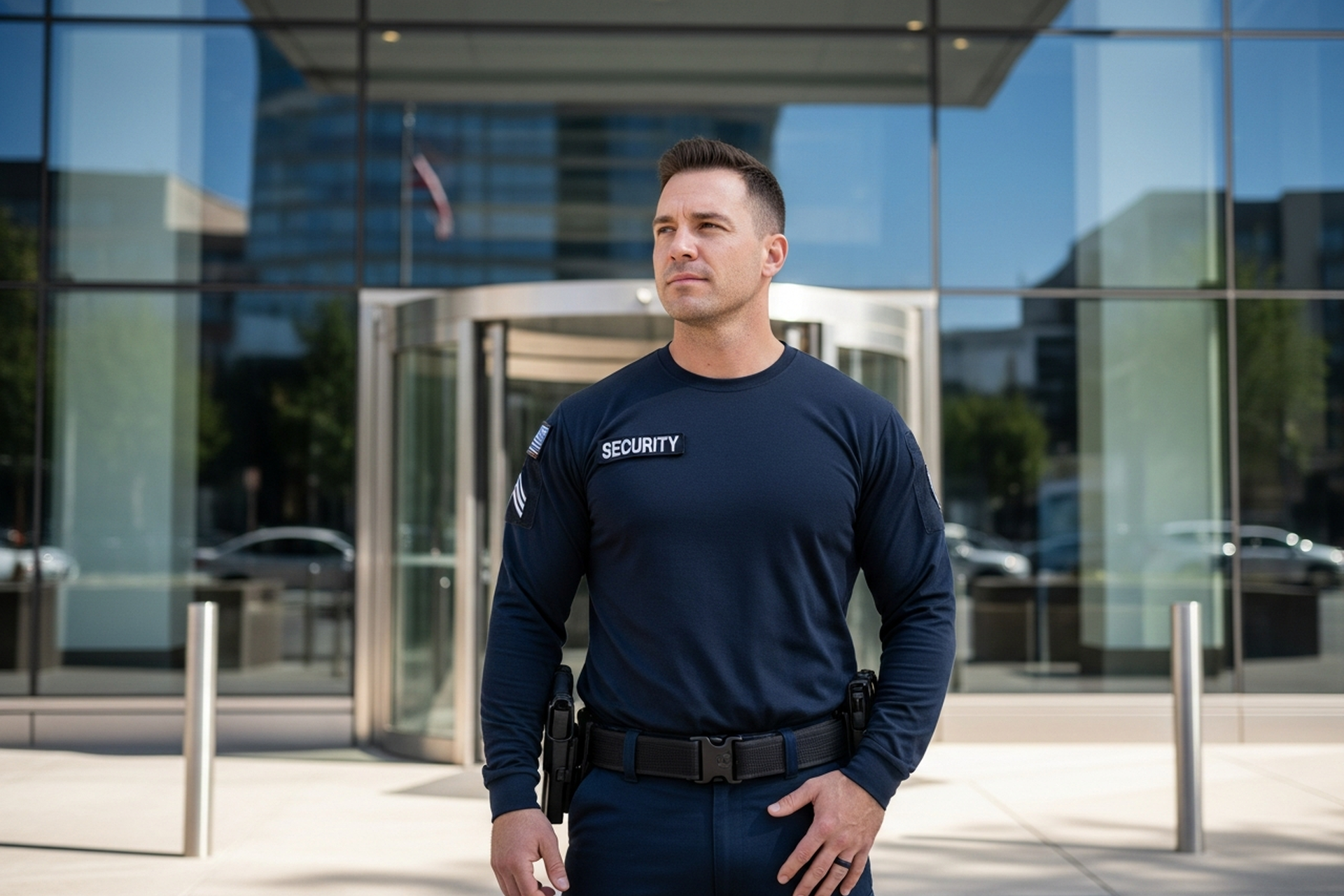
Cascadia Global Security provides professional security personnel who work alongside access control technology, ensuring that automated systems have human backup for unusual situations. The combination of trained guards and smart technology creates a defense-in-depth that neither approach achieves on its own.
AI-Powered Video Analytics for Austin Facilities
Video surveillance has evolved far beyond passive recording. AI-powered analytics can detect unusual behavior patterns, identify unauthorized individuals, and alert security personnel to potential threats in real time. These systems reduce the burden on human operators while improving detection rates.
For Austin businesses with multiple locations, centralized video management allows security teams to monitor all facilities from a single dashboard. Integration with access control systems enables automatic camera activation when doors are accessed, creating comprehensive incident documentation.
Employee Training and Security Culture
Employee training is one of the most impactful security investments a business can make. Recent industry reports estimate that human error accounts for approximately 74% of data breaches, underscoring that technology alone is insufficient to prevent security incidents.
Phishing Simulation and Awareness Programs
Phishing attacks have grown increasingly sophisticated. Attackers research targets on LinkedIn, craft personalized messages, and create convincing replicas of legitimate websites. Even security-conscious employees can be fooled by well-executed campaigns.
Effective training programs combine periodic awareness sessions with ongoing phishing simulations that test employee vigilance. When someone clicks a simulated phishing link, they receive immediate feedback explaining what they missed. This approach reduces click rates by 60-80% over six months.
Training should extend beyond phishing to cover physical security awareness, including:
- Challenging unfamiliar individuals in secure areas
- Proper visitor escort procedures
- Reporting suspicious behavior or objects
- Secure document handling and disposal
Disaster Recovery and Business Continuity Planning
Security isn't just about preventing incidents; it's about surviving them. Every Austin business needs documented plans to maintain operations when systems fail, whether due to cyberattacks, natural disasters, or equipment failures.
Automated Backup Solutions for Local Servers
The 3-2-1 backup rule remains the gold standard: three copies of data on two different media, with one copy stored offsite. For Austin businesses, this typically means local backups for rapid recovery, cloud backups for disaster protection, and air-gapped backups to protect against ransomware.
Automated backup systems eliminate human error. Manual backup processes inevitably fail when employees forget, skip steps, or make configuration mistakes. Automation ensures consistent protection regardless of staff turnover or workload pressures.
Rapid Recovery Protocols to Minimize Downtime
Backup data means nothing without tested recovery procedures. Too many businesses discover their backups are corrupted or incomplete only when they desperately need them. Regular recovery testing validates backup integrity and trains staff on restoration procedures.
Recovery time objectives vary by system criticality. Email may tolerate 24 hours of downtime, whereas e-commerce platforms require recovery within minutes. Documenting these requirements ensures recovery efforts are prioritized correctly during actual incidents.
Selecting a Local Security Partner in Central Texas
Choosing a security provider is one of the most consequential decisions Austin businesses make. The wrong partner creates false confidence while leaving critical vulnerabilities unaddressed.
Look for providers with demonstrated expertise in Austin. Local knowledge matters: understanding which neighborhoods have higher crime rates, which regulatory agencies are most active, and which response times are realistic given Austin traffic conditions.
Cascadia Global Security maintains locally managed teams throughout Texas, providing the responsiveness of a local provider with the resources of a national organization. Their combination of trained security personnel and technology integration addresses both physical and operational security needs.
Verify credentials carefully. Professional security providers should carry appropriate insurance, conduct thorough background checks on all personnel, and maintain current certifications. Ask for references from similar businesses and actually call them.

Frequently Asked Questions
What types of businesses need professional security in Austin?
Any business with physical assets, sensitive data, or public-facing operations benefits from professional security. This includes tech companies, healthcare providers, retail establishments, construction sites, and corporate offices. The specific security mix varies by industry and risk profile.
How much does business security cost in Austin?
Costs vary widely based on scope and service level. Basic security guard coverage typically starts at $30-40 per hour, while comprehensive managed security programs for mid-sized businesses typically range from $6,000 to $30,000 per month. Most providers offer customized quotes based on specific requirements.
Can security services help with Texas regulatory compliance?
Yes. Professional security providers familiar with Texas regulations can help businesses meet requirements for data protection, access control documentation, and incident reporting. This is particularly valuable for healthcare, financial services, and government contractors.
What's the difference between armed and unarmed security guards?
Unarmed guards handle access control, monitoring, and deterrence for most business environments. Armed guards are appropriate for high-risk situations involving valuable assets, cash handling, or elevated threat levels. The choice depends on risk assessment and insurance requirements.
How quickly can security services be deployed for Austin businesses?
Emergency and temporary security coverage can often be arranged within 24-48 hours. Comprehensive security programs with custom technology integration typically require 2-4 weeks for proper planning and implementation.
Building Lasting Security for Your Austin Business
Effective security support for businesses in Austin, Texas requires balancing multiple priorities: cyber and physical protection, compliance and operational efficiency, technology and human judgment. The companies that get this right treat security as an ongoing program rather than a one-time project.
Start by honestly assessing your current vulnerabilities. Most businesses have significant gaps they've normalized or ignored. A professional security assessment identifies these weaknesses and prioritizes remediation based on actual risk.
For Austin businesses ready to strengthen their security posture,
Cascadia Global Security offers veteran-owned, locally managed security services tailored to your specific needs. Their team can help you build a comprehensive protection program that addresses both immediate threats and long-term resilience.