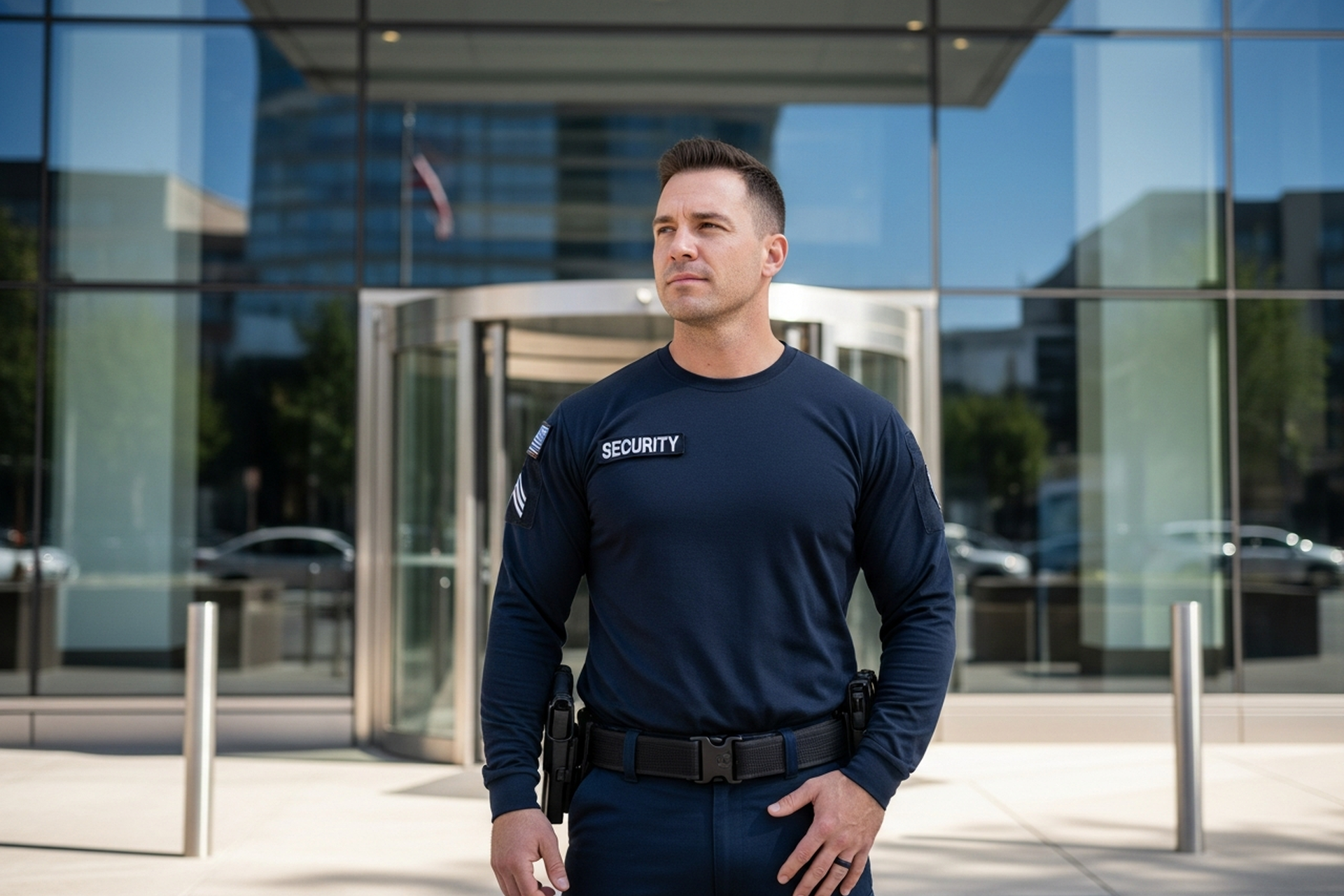
The Role of a Hotel Security Guard
Josh Harris | March 19, 2026
A guest returns to their room at 2 AM after a late flight. A corporate event draws hundreds of visitors through the lobby. A fire alarm sounds on the twelfth floor. In each scenario, one professional stands between chaos and calm: the hotel security guard. The role of a hotel security guard extends far beyond standing at a post or watching monitors. These professionals serve as the invisible backbone of hospitality operations, protecting guests, staff, and assets while maintaining the welcoming atmosphere that defines exceptional hotels. Their work requires a unique blend of vigilance, diplomacy, and quick thinking that few other security positions demand. Unlike retail or corporate security, hotel guards must balance strict safety protocols with the expectation of warm, guest-focused service. A single shift might involve preventing unauthorized access, assisting a lost child, responding to a medical emergency, and defusing a noise complaint between neighboring rooms. This complexity makes hotel security one of the most demanding specializations in the private security industry.
Core Responsibilities and Daily Operations
Hotel security guards operate across multiple domains simultaneously. Their effectiveness depends on mastering routine tasks while remaining prepared for unpredictable situations that can escalate within seconds.
Patrolling and Perimeter Monitoring
Regular patrols form the foundation of hotel security. Guards walk predetermined routes through hallways, stairwells, parking structures, pool areas, and exterior grounds at varied intervals. This unpredictability prevents potential criminals from timing their activities around security patterns.
Effective patrol work involves more than physical presence. Guards check door locks, identify maintenance hazards, note suspicious behavior, and verify that emergency exits remain unobstructed. They also monitor less-trafficked areas where theft or vandalism might occur unnoticed, including storage rooms, loading docks, and rooftop access points.
Access Control and Guest Verification
Controlling who enters the property requires constant attention. Guards verify credentials for service contractors, delivery personnel, and event attendees. They monitor key card systems, challenge individuals in restricted areas, and maintain visitor logs that prove invaluable during incident investigations.
Guest verification presents unique challenges. Guards must confirm identities without making legitimate guests feel interrogated. This balance requires reading social cues, understanding cultural differences, and knowing when a polite question suffices versus when documentation is necessary.
Surveillance and Technology Integration
Modern hotel security relies heavily on camera systems, access control software, and alarm monitoring. Guards must interpret multiple video feeds, recognize anomalies, and respond appropriately to system alerts. They coordinate with front desk staff when key cards malfunction and troubleshoot basic technical issues that could compromise security coverage.
Technology enhances but never replaces human judgment. A camera captures footage, but a trained guard recognizes that the person lingering near the service elevator doesn't belong there.
Emergency Response and Crisis Management
When emergencies occur, hotel security guards often serve as first responders. Their actions in the initial minutes can determine whether a situation resolves safely or escalates into tragedy.
Fire Safety and Evacuation Procedures
Fire emergencies demand immediate, coordinated action. Guards activate alarm systems, contact emergency services, and begin systematic floor-by-floor evacuations. They know which guests require mobility assistance, where fire suppression equipment is located, and how to communicate with arriving firefighters.
Regular fire drills and equipment inspections fall under security responsibilities. Guards verify that extinguishers are charged, sprinkler systems function properly, and evacuation routes remain clearly marked.
Medical Emergencies and First Aid
Guests experience heart attacks, allergic reactions, falls, and countless other medical emergencies. Security guards with first aid and CPR certification provide critical intervention until paramedics arrive. As of 2026, hotel security guards are also increasingly trained in the use of naloxone (Narcan) to respond to opioid overdoses, following updated OSHA and state health guidance. They also secure scenes, gather witness information, and guide emergency vehicles to the correct entrance.
Documentation during medical emergencies protects both the guest and the hotel. Guards record timestamps, actions taken, and statements made, creating records that prove essential for insurance claims and potential litigation.
Conflict De-escalation and Physical Security
Intoxicated guests, domestic disputes, and confrontational visitors require skilled de-escalation. Guards trained in verbal intervention techniques can often resolve conflicts without physical contact. When situations require a hands-on response, proper training ensures the safety of guards and guests while minimizing liability.
Cascadia Global Security provides guards trained specifically in hospitality-focused de-escalation, recognizing that hotel environments demand different approaches than retail or industrial settings.
The Intersection of Security and Guest Services
Hotel security differs fundamentally from other security sectors because guards must simultaneously protect and serve. Guests paying premium rates expect safety without feeling surveilled or restricted.
Maintaining a Welcoming Atmosphere
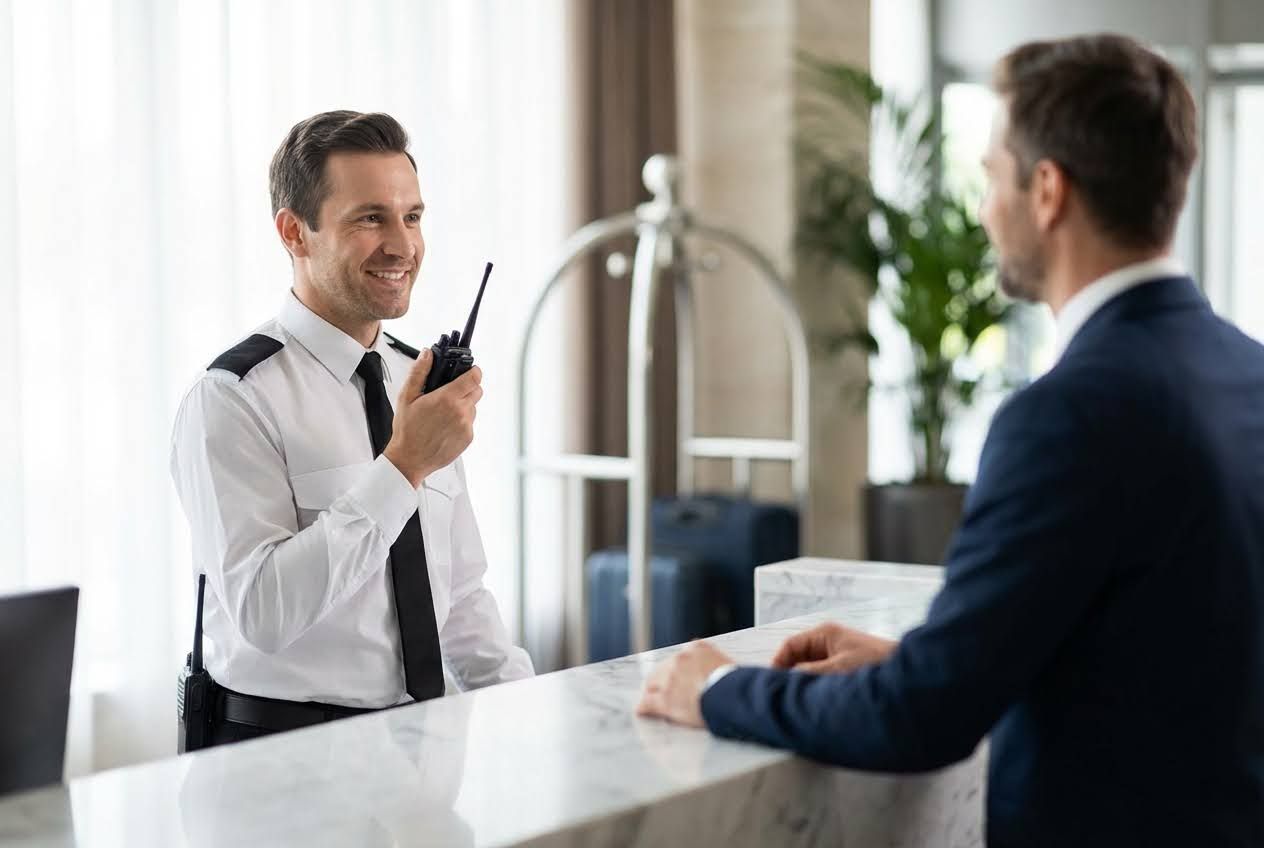
The best hotel security guards remain nearly invisible to most guests. They dress appropriately for the property's aesthetic, whether that means formal attire at a luxury resort or business casual at an extended-stay property. Their demeanor projects confidence without intimidation.
Guards frequently assist with non-security tasks: giving directions, helping with luggage, or recommending local restaurants. These interactions build rapport and encourage guests to report concerns they might otherwise dismiss.
Assisting with VIPs and High-Profile Guests
Celebrity guests, executives, and dignitaries require enhanced security protocols. Guards coordinate with personal protection teams, establish secure entry routes, and manage media or fan encounters. Discretion becomes paramount, as any security breach could damage the hotel's reputation for privacy.
VIP protection also involves advance planning. Guards review event schedules, identify potential vulnerabilities, and establish communication protocols with guest representatives before arrival.
Protecting Hotel Assets and Financial Integrity
Hotels contain millions of dollars in furnishings, equipment, inventory, and guest property. Security guards play a direct role in protecting these assets from both external theft and internal shrinkage.
Preventing Internal Theft and Shrinkage
Employee theft costs the hospitality industry billions annually. Guards monitor loading docks, verify inventory transfers, and conduct random inspections of staff areas. Their presence alone deters opportunistic theft, while their observations help identify patterns that suggest organized pilfering.
Effective internal theft prevention requires diplomacy. Guards must maintain professional relationships with staff while remaining vigilant about suspicious behavior. Accusations without evidence damage morale and expose the hotel to wrongful termination claims.
Safeguarding Guest Property and Vehicles
Guests trust hotels with valuable belongings, from laptops and jewelry to vehicles worth six figures. Guards patrol parking areas, monitor valet operations, and respond to reports of missing property. They also oversee lost-and-found procedures, ensuring valuable items reach their rightful owners.
Vehicle security extends beyond theft prevention. Guards document existing damage on parked cars, investigate hit-and-run incidents, and manage traffic flow during high-volume periods.
Legal Compliance and Risk Mitigation
Security guards serve as the hotel's frontline defense against liability. Their documentation, procedures, and testimony often determine the outcome of lawsuits and insurance claims.
Incident Reporting and Documentation
Every security incident requires thorough documentation. Guards complete detailed reports describing what occurred, who was involved, what actions were taken, and what evidence was preserved. These reports must be accurate, objective, and completed promptly while details remain fresh.
Quality documentation protects hotels from fraudulent claims and demonstrates due diligence when legitimate incidents occur. Guards trained in proper reporting practices save their employers significant legal expenses.
Liaising with Local Law Enforcement
When crimes occur on hotel property, security guards become essential partners for police investigators. They preserve crime scenes, provide witness statements, review surveillance footage, and share relevant guest information within legal boundaries.
Building relationships with local law enforcement before incidents occur improves response times and cooperation. Guards who know officers by name can expedite assistance during emergencies. Cascadia Global Security often employs both active and retired law enforcement professionals, who bring established relationships and investigative expertise to hotel assignments.
Essential Qualifications and Professional Development
Effective hotel security requires specific training beyond basic guard certification. The best candidates combine formal credentials with soft skills that can't be taught in a classroom.
State licensing requirements vary, but most hotel security positions require guard cards, background checks, and first aid certification. CPR and AED training has become standard. Several states, including California, Oregon, and Washington, also mandate de-escalation and implicit bias training for licensed private security personnel. Many properties prefer candidates with hospitality experience or formal education in criminal justice.
Ongoing professional development separates adequate guards from exceptional ones. Training in crisis communication, cultural sensitivity, active shooter response, and emerging threats keeps skills current. Properties that invest in guard development see lower turnover and better performance.
Frequently Asked Questions
What training do hotel security guards need?
Most states require basic guard licensing and background checks. Hotels typically require first aid, CPR, and AED certification. In 2026, training in de-escalation, emergency preparedness, and naloxone administration is increasingly recommended or required depending on state law. Advanced training in de-escalation, fire safety, and emergency response distinguishes qualified candidates. Many properties prefer guards with prior hospitality or law enforcement experience.
How do hotel security guards handle guest complaints?
Guards approach complaints with empathy while maintaining professional boundaries. They listen actively, document concerns, and either resolve issues within their authority or escalate to management. The goal is to make guests feel heard without compromising security protocols.
Can hotel security guards detain someone?
Legal authority varies by state. Generally, guards may briefly detain individuals when they witness crimes on the property. Most situations are better handled by calling law enforcement. Private security personnel must comply with state-specific “citizen’s arrest” statutes and are prohibited from using force beyond what is necessary to prevent immediate harm or property loss. Guards receive training on the specific legal boundaries in their jurisdiction.
What's the difference between hotel security and other security work?
Hotel security uniquely blends protection with hospitality. Guards must maintain welcoming atmospheres while enforcing safety protocols. They interact with diverse populations, handle sensitive situations discreetly, and often assist with guest services beyond traditional security duties.
How many security guards does a hotel need?
Staffing depends on property size, location, amenities, and risk profile. A 100-room suburban hotel might need one guard per shift, while a 500-room urban resort with multiple restaurants and event spaces could require a team of eight or more. Professional security consultants help properties determine appropriate coverage.
Building a Safer Hospitality Experience
The role of a hotel security guard encompasses far more than most guests realize. These professionals protect people, property, and reputation through a combination of vigilance, training, and interpersonal skills. Hotels that invest in quality security programs see fewer incidents, lower liability costs, and stronger guest satisfaction scores.
For properties seeking to strengthen their security posture, partnering with an experienced provider makes the difference between adequate coverage and exceptional protection. Cascadia Global Security offers professionally trained guards and law-enforcement-affiliated security specialists who understand the unique demands of hospitality. Their locally managed teams deliver security solutions tailored to each property's specific needs.