The Role of an Armed Security Guard in High-Risk Environments
Josh Harris | March 20, 2026
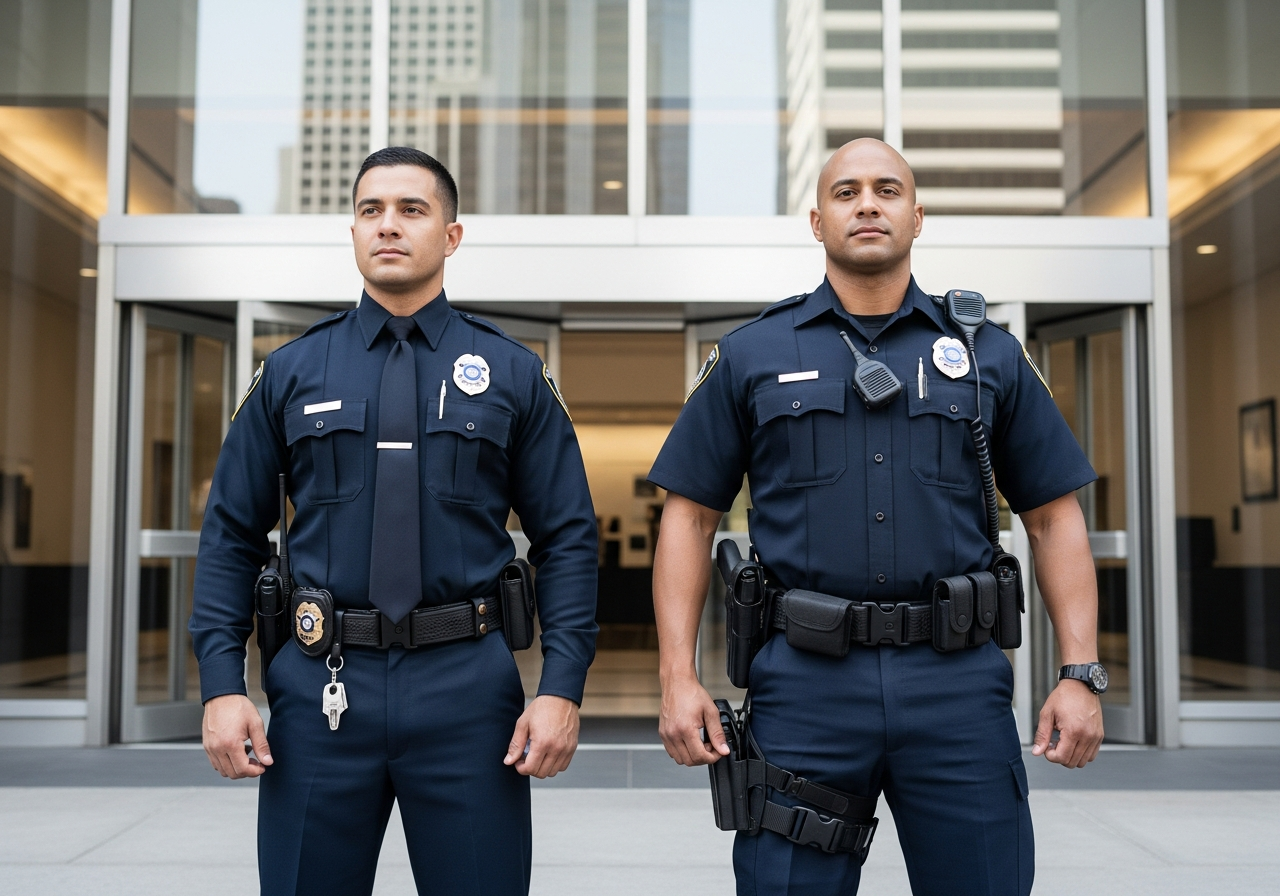
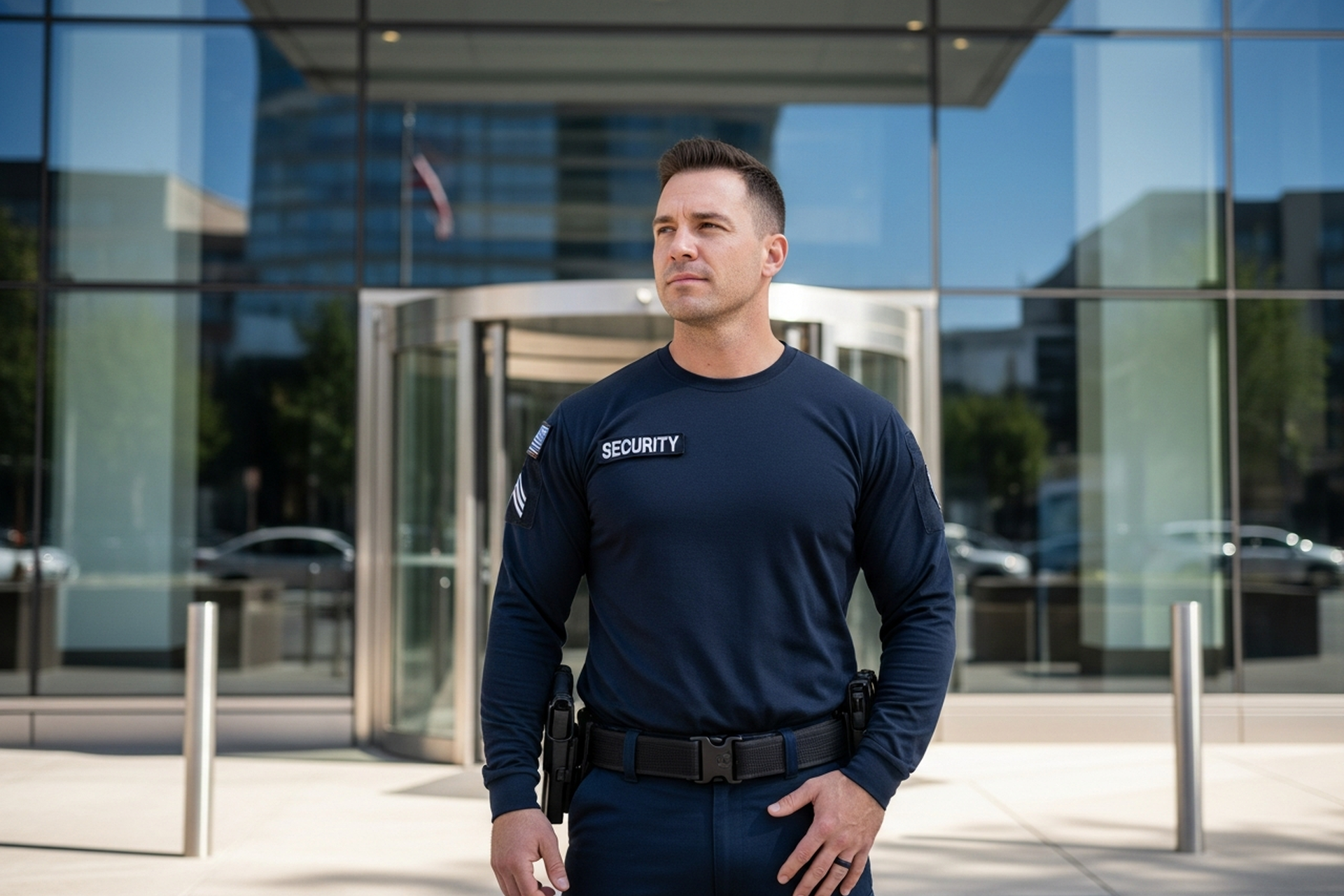
Imagine walking into a building where tensions run high, and safety is not just a priority but a necessity. In such places, armed security guards play a crucial role. They are more than just protectors; they are trained professionals ready to respond to threats and keep everyone safe.
High-risk environments can include busy airports, government buildings, financial institutions, or significant public events. Construction sites may also require enhanced security when valuable equipment or materials are present, though armed guards are not typically standard in such settings. The presence of an armed security guard often means the difference between chaos and control.
Understanding what these guards do and why their role is so essential helps businesses and individuals appreciate the value of professional security services. Cascadia Global Security specializes in providing skilled armed guards for these challenging settings.
This article explores the responsibilities, training, and challenges faced by armed security guards in high-risk environments, shedding light on their vital role in protecting people and property.
What Defines a High-Risk Environment?
High-risk environments are places where the likelihood of danger or harm is significantly higher than usual. These settings often involve valuable assets, large crowds, or potential threats that require enhanced security measures. The complexity of these environments necessitates a thorough understanding of the specific risks and the implementation of tailored security protocols to mitigate them effectively.
Examples of High-Risk Locations
- Airports and transportation hubs
- Government buildings and embassies
- Construction sites with expensive equipment
- Nightclubs and entertainment venues
- Events with large public gatherings
- Financial institutions and data centers
Each of these places faces unique security challenges. For instance,
airports are not only bustling with travelers but also serve as critical points for international transport, making them prime targets for threats. Similarly, government buildings often house sensitive information and personnel, necessitating heightened vigilance. Armed guards must be prepared to handle situations ranging from theft and vandalism to violent confrontations or even terrorism. The presence of security personnel can also help in crowd management, ensuring that any potential disturbances are swiftly addressed before they escalate.
Why Are These Environments Considered High Risk?
Several factors contribute to the risk level. The presence of valuable goods or sensitive information attracts criminal activity. Crowds can create chaos, making it easier for threats to go unnoticed. Some locations are symbolic targets, increasing the chance of deliberate attacks. For example, financial institutions not only handle large sums of money but also wield economic power, making them appealing targets for organized crime. The psychological impact of a potential threat in such environments can lead to heightened anxiety among individuals, which can complicate security efforts.
Because of these risks, armed security guards are often deployed to provide a visible deterrent and rapid response capability. Their training typically includes conflict resolution, emergency response, and surveillance techniques, enabling them to act effectively in a variety of situations. Integrating advanced technologies, such as surveillance cameras and alarm systems, complements the physical presence of security personnel, creating a multi-layered approach to safety that is essential in high-risk environments.
Key Responsibilities of Armed Security Guards
Armed security guards do much more than just carry weapons. Their role is complex and requires a balance of vigilance, communication, and quick decision-making.
Deterring Crime and Unauthorized Access
The mere presence of an armed guard can discourage potential criminals. Guards monitor entrances, check identification, and ensure only authorized personnel enter the premises. This reduces the chance of theft, sabotage, or violence.
Responding to Threats
When a threat arises, armed guards must act swiftly and decisively. This could mean de-escalating a situation verbally or, in extreme cases, using force to protect lives. Their training prepares them to assess risks and respond proportionally.
Monitoring and Surveillance
Many guards operate surveillance equipment and regularly patrol the area. They look for suspicious behavior, signs of forced entry, or anything out of the ordinary. Reporting these observations helps prevent incidents before they escalate.
Providing Assistance and Emergency Response
Beyond security, armed guards may assist in emergencies, such as providing basic first aid or guiding evacuations, and coordinate with professional medical and emergency responders as needed. They coordinate with law enforcement and emergency services to ensure a smooth, effective response.
Training and Qualifications Needed
Not just anyone can become an armed security guard. The job demands specialized training, certification, and ongoing education to maintain skills and knowledge.
Basic Security Training
All armed guards start with foundational security training. This includes understanding legal powers, ethics, communication skills, and basic first aid. They learn how to handle confrontations and maintain professionalism.
Firearms Training and Certification
Handling a weapon safely is critical. Guards undergo rigorous firearms training, including marksmanship, weapon maintenance, and safety protocols. Certification ensures they meet all applicable state requirements, including background checks, firearms qualifications, and ongoing training.
Scenario-Based Training
Real-life situations are unpredictable. Scenario-based training prepares guards for a range of emergencies, from active shooter incidents to crowd control. This hands-on approach builds confidence and readiness.
Continuous Education
Security threats evolve, so do training standards. Armed guards participate in refresher courses and new skill development to stay current with best practices and legal changes.
Challenges Faced by Armed Security Guards
Working in high-risk environments is demanding. Guards face physical, emotional, and ethical challenges daily.
High Stress and Responsibility
The pressure to protect lives and property can be intense. Guards must remain calm under pressure and make split-second decisions that could have serious consequences.
Potential for Violence
Armed guards risk encountering violent situations. They must be prepared to defend themselves and others while avoiding unnecessary force.
Legal and Ethical Boundaries
Using force is a serious matter. Guards must understand legal limits and act ethically. Missteps can lead to legal trouble or harm to innocent people.
Maintaining Public Trust
Security guards represent the company or organization they serve. Building and maintaining trust with the public is essential, especially in sensitive or crowded environments.
How Cascadia Global Security Supports High-Risk Environments
Cascadia Global Security specializes in delivering highly trained armed security guards tailored to the needs of high-risk environments. Their guards are equipped to handle complex security challenges with professionalism and expertise.
By combining advanced training with real-world experience, Cascadia ensures clients receive protection that goes beyond the basics. Their commitment to safety and service makes them a trusted partner for businesses and organizations facing elevated security risks.
Whether it’s a significant event, a sensitive facility, or a high-value asset, Cascadia’s armed security personnel provide peace of mind through vigilant presence and rapid response capabilities.
Essential Qualities of Effective Armed Security Guards
Beyond training and equipment, certain personal qualities make armed security guards successful in high-risk roles.
Alertness and Attention to Detail
Staying alert allows guards to notice small changes or suspicious behavior that others might miss. This vigilance is key to preventing incidents before they occur.
Strong Communication Skills
Clear communication helps in coordinating with team members, law enforcement, and the public. It also helps de-escalate tense situations peacefully.
Physical Fitness and Stamina
High-risk environments often require long hours on foot and the ability to respond quickly. Physical fitness helps guards perform their duties effectively.
Integrity and Professionalism
Trustworthiness is non-negotiable. Guards must act honestly and ethically, maintaining a professional demeanor even under stress.
Frequently Asked Questions
What Is the Difference Between Armed and Unarmed Security Guards?
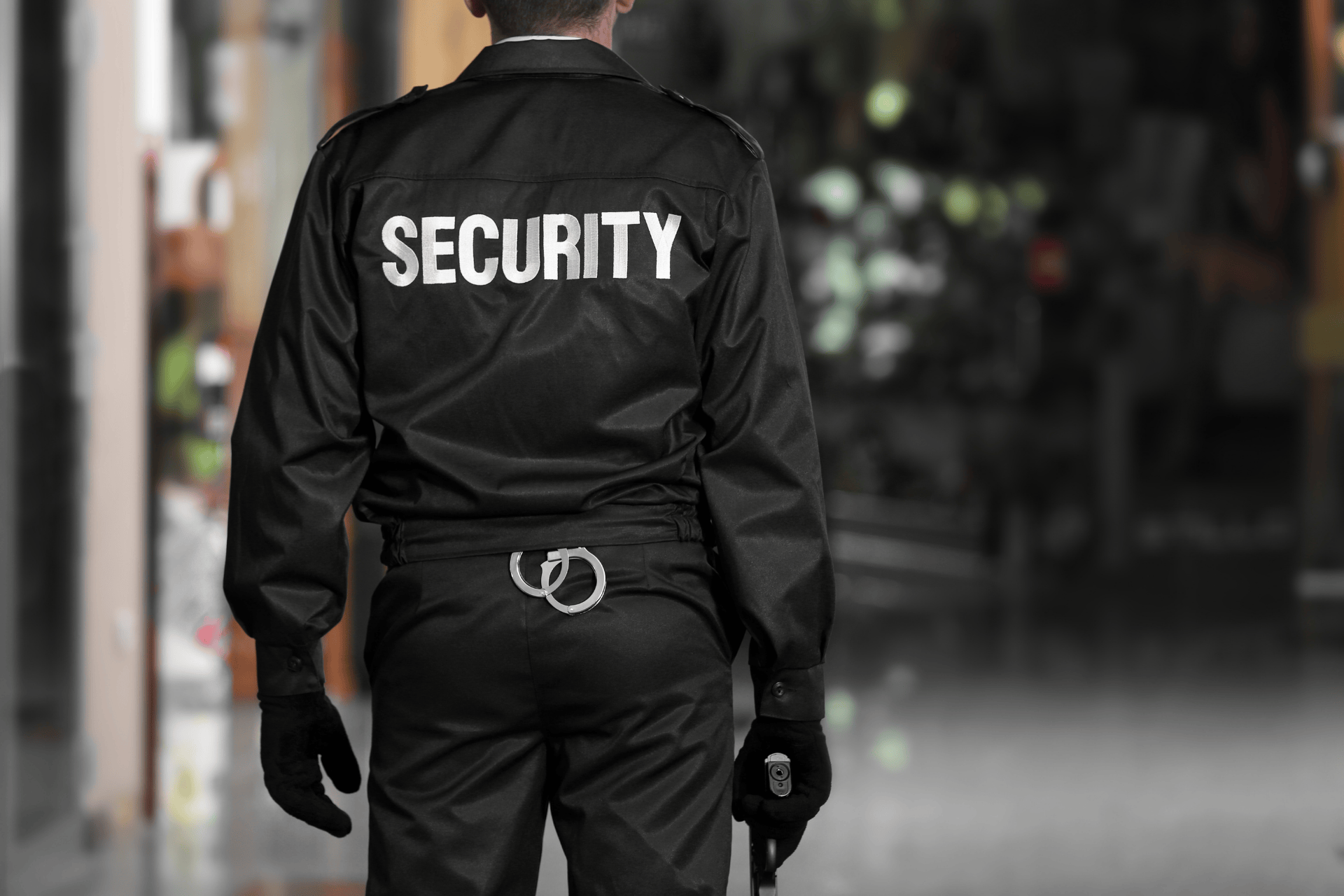
Armed guards carry weapons and are trained to use them if necessary, while unarmed guards focus on surveillance, access control, and deterrence without firearms. Armed guards are typically deployed in higher-risk settings.
How Do Armed Security Guards Coordinate With Police?
They serve as the first line of defense and promptly report incidents to law enforcement. In emergencies, they assist police by providing information and securing the area.
Are Armed Security Guards Licensed?
Yes, they must obtain licenses and certifications specific to their state or country, which include background checks, training, and firearms qualifications.
Can Armed Security Guards Use Force?
They may use force, including firearms, only when legally justified under applicable state laws, typically in self-defense or defense of others. They must follow strict guidelines emphasizing de-escalation and minimal necessary force. Their training emphasizes de-escalation and legal guidelines.
Why Should Businesses Hire Armed Security Services?
Armed guards provide a higher level of protection in dangerous environments. They deter crime, respond quickly to threats, and help maintain order, thereby saving lives and reducing losses.
The Importance of Armed Security in High-Risk Areas
Armed security guards serve as a critical line of defense in environments with elevated risk. Their training, vigilance, and readiness to act help protect people and assets from harm.
Choosing a trusted security provider like Cascadia Global Security ensures that businesses and organizations receive top-tier protection tailored to their unique challenges.
In high-risk settings, the role of an armed security guard goes beyond guarding property. It is about creating a safer environment where people can work, live, and gather with confidence.