Corporate Event Security Planning for Dallas-Based Businesses
Josh Harris | June 20, 2026
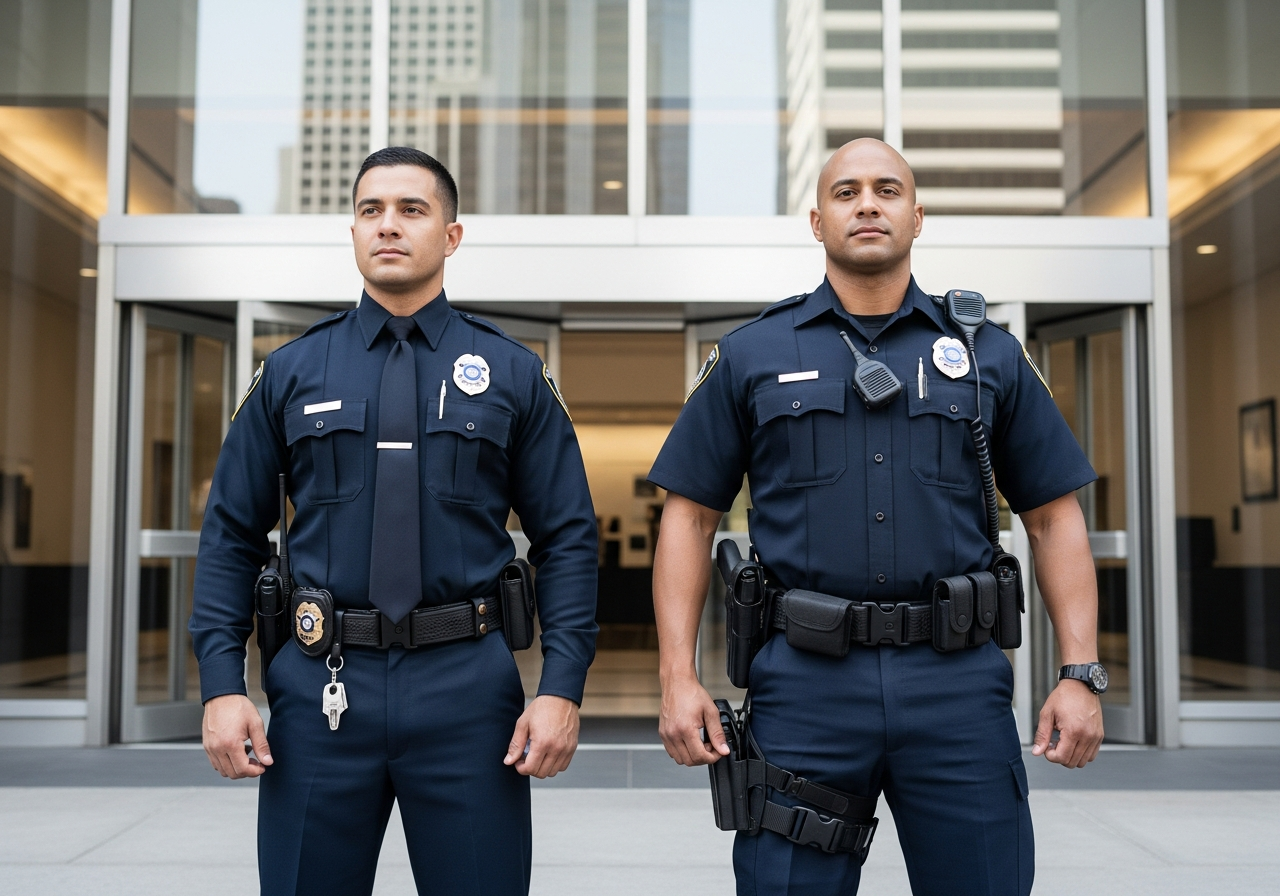
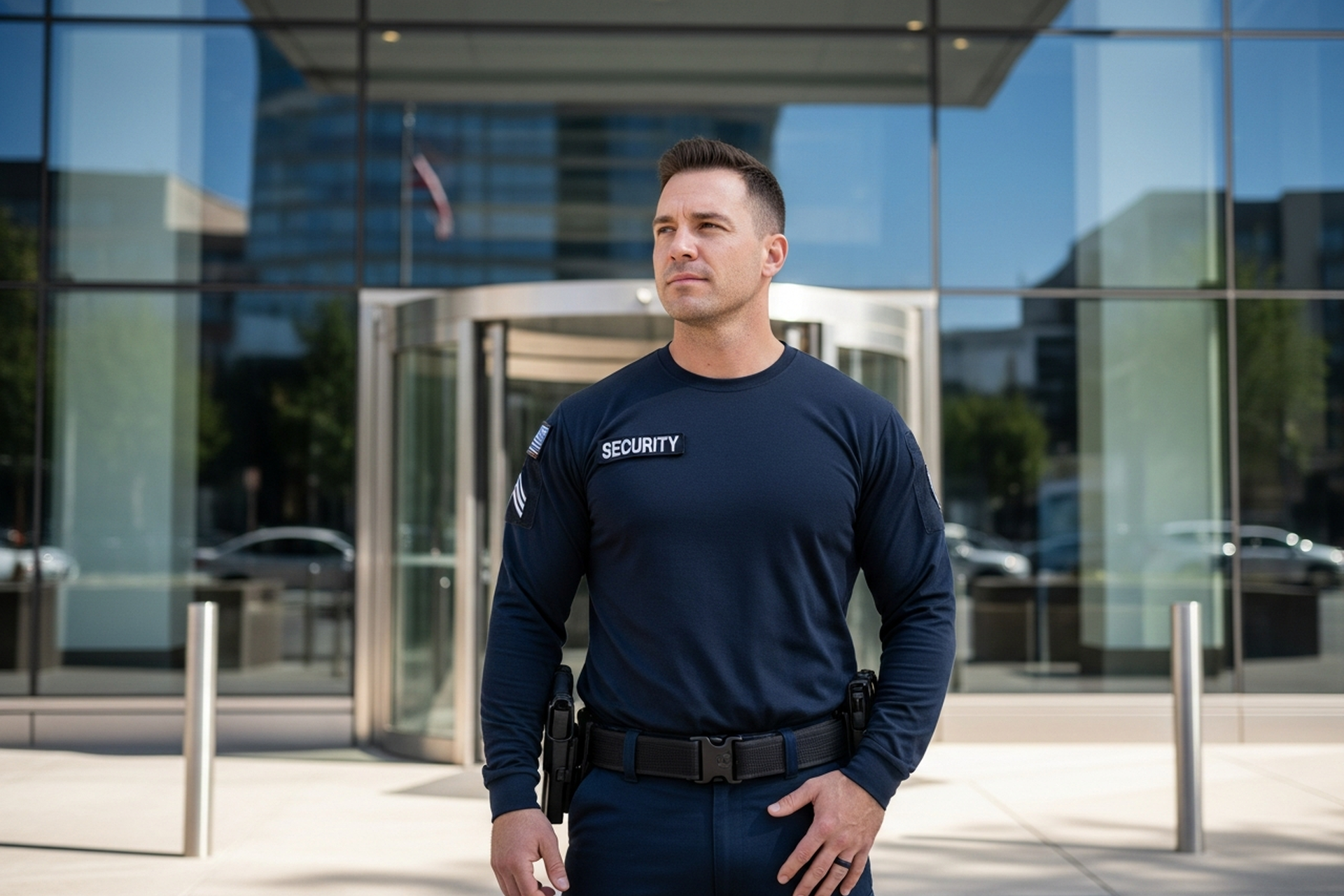
Corporate event security in Dallas looks nothing like security for a public concert, yet many companies treat them the same way until something goes wrong. The buyer is usually an executive assistant, an event marketing lead, an HR director, or a chief of staff asked to stand up a sales kickoff, customer summit, executive offsite, or holiday party, and the security plan tends to get inherited from the venue rather than designed for the event. This is how Dallas-based businesses plan corporate event security around their own people, brand, and risk.
Why Corporate Events Have a Distinct Security Profile
A corporate event has a controlled guest list, a known headcount, and almost always involves senior leadership. That is a meaningfully different risk surface than a public event with anonymous ticket buyers.
The threats that matter are usually the quiet ones: an uninvited guest who wants a few minutes with the CEO, a terminated employee who heard the kickoff was today, a journalist or short-seller trying to record a strategy session, a vendor truck arriving without paperwork. These are the incidents that land on a brand-protection executive's desk on Monday morning, not the density-driven incidents that dominate public-event planning.
Add the realities of most corporate gatherings (alcohol at the welcome reception, sensitive announcements during general sessions, breakout rooms with no badge readers, venue staff who do not know your employees by sight) and the security plan needs to be designed top down by the hosting company.
Pre-Event Risk Assessment
Good corporate event security starts 60 to 90 days out. A real pre-event risk assessment for a Dallas-based business covers:
- Threat model. Former employees, activist groups relevant to the industry, competitors, and named threats on the company's radar through HR or legal.
- Attendee profile. C-suite executives, board members, or public figures attending, and whether any are subject to protective measures.
- Venue review. Entrances, loading docks, freight elevators, executive green rooms, emergency exits, and where the venue's security posture stops.
- Content sensitivity. Earnings material, M&A discussion, layoff announcements, or product reveals under embargo all shift the threat model.
- Public footprint. Whether the event has been promoted externally or geotagged on social media.
The output is a written plan: officer count, post assignments, executive protection coverage, communications protocol, and contingency actions. That plan is the contract for what the security team delivers on event day.
Venue Walk and Contingency Planning
Once the assessment is complete, the lead supervisor walks the venue with the planner. The team marks ingress and egress, agrees on the VIP arrival route and executive green room, locates medical and emergency rally points, and confirms which doors are locked during general session versus open during breaks. Loading-dock access is mapped: which vendors arrive when, who escorts them, and where crews stage. Contingency plans get written for foreseeable scenarios: a medical event during keynote, a disruptive attendee in a breakout, a fire alarm during dinner, a press or activist intrusion at registration.
Many Dallas corporate events run inside hotel and hospitality properties or at private clubs with their own in-house security. That coverage is built around the property, not your event. The hosted company's plan layers on top: dedicated coverage of the executive green room, officers at sensitive breakout rooms, and a supervisor reporting to your event lead.
Event-Day Mechanics
On event day, the plan resolves into mechanics the team executes from doors-open through close-down.
Credential and RSVP verification at registration is the first checkpoint: a guest list pulled from the registration system, photo ID checks where appropriate, and a clear policy for plus-ones, walk-ins, and replacement nametags. A common failure mode is letting the registration vendor own the guest list while security has no view into check-in.
VIP arrival routing is second. Senior executives, board members, and external speakers should not queue at the main desk and walk past the general crowd unless that is deliberate. The plan defines a separate arrival entrance, a dedicated escort, and a route to the green room.
Breakout session coverage is third. General session security tends to be obvious; breakouts get neglected and are usually where sensitive conversations happen. A roving unarmed officer presence in the breakout corridor, paired with badge checks at closed sessions, prevents the most common intrusions.
Parking is fourth. Valet operations, garage access, and the path from the lot to the venue need dedicated officer coverage or a clear handoff to the venue's existing parking facility staff.
Executive Protection Integration
For board meetings, executive offsites, and customer conferences featuring senior leadership, executive protection is a layered service that runs alongside the general event plan. It is usually not a full-time detail: one or two trained protection officers shadow the principal during arrival, keynotes, meals, and departure. They coordinate with the principal's executive assistant on schedule changes, manage the room before the principal enters it, and control the flow of people trying to approach during breaks.
When a public figure is keynoting (a guest celebrity, a politician, a high-profile customer), their advance team usually has its own protective expectations. The hosting company's security lead reconciles those expectations with the venue plan.
Off-Duty Law Enforcement When Warranted
Not every corporate event warrants off-duty law enforcement. Most internal meetings, midsized customer conferences, and standard sales kickoffs are handled well by licensed officers and, where appropriate, executive protection. Off-duty officers belong on the plan when the risk profile changes:
- A public-facing customer conference with attendee counts in the high hundreds or thousands
- A product launch or press event with media in the room
- A board meeting with a known credible threat against a director
- A sensitive announcement (workforce reduction, restructuring) with unpredictable attendee reaction
- An evening event with significant alcohol service and external guests
In Texas, off-duty police officers retain full peace-officer authority while working private security through a licensed company. That authority matters when intervention may require detention or when a visible sworn presence changes how a situation resolves. Licensed officers handle volume positions, executive protection covers principals, and off-duty officers anchor high-authority posts.
The professional event-management community treats security as an embedded planning workstream, not an end-of-checklist task. The trade body Meeting Professionals International, which has a long-established Dallas-Fort Worth chapter, is a reference point many corporate planners use to align their playbooks with industry safety norms.
Vendor Coordination
Catering, audiovisual, decor, photography, and transportation vendors are on site before, during, and after the event. Each is a potential security gap if not coordinated up front.
The standard playbook covers a vendor manifest to security 48 hours before doors, with crew names, vehicle plates, arrival windows, and the venue contact for each. Crews wear credentials issued at the loading dock, stay in working areas (kitchen, back of stage, vendor green room), and do not move freely through guest spaces. Photography and videography crews receive explicit guidance on what is on and off the record. Alcohol service compresses the timeline for any incident involving guest behavior, so a defined cutoff, bartenders empowered to refuse service, and a discreet officer presence at the bar are standard for evening events where alcohol is significant.
Texas DPS Licensing Baseline
Every officer at a Dallas corporate event, whether licensed security or off-duty police acting as private security, operates under the framework set by the Texas Department of Public Safety Private Security Bureau. Licensed unarmed officers complete the Level II curriculum (six hours), licensed armed officers complete Level III (45 hours) with firearms qualification, and the company providing the officers holds a state license in good standing.
For a planner, the practical question is whether the security partner can produce documented compliance: current company license, current officer licenses on the deployment, and a certificate of insurance naming the host company as additional insured. A provider that hesitates on documentation is a planning risk.
After-Event Review and Documentation
Security work continues for 24 to 48 hours after the last guest leaves. The lead supervisor compiles an incident log covering every documented event from doors-open through close, however minor: a guest removed from a breakout, a medical event, a vendor crew member in an unauthorized area. The log goes to the planner and to legal or HR where relevant. For recurring events, this year's problem becomes next year's pre-event focus.
What This Means for Your Dallas-Based Business
The Dallas businesses that get corporate event security right treat it as a planning discipline owned by the company, not a service ordered from the venue. The plan starts with a risk assessment that names actual threats relevant to your industry and leadership team, scales through licensed officers, executive protection, and off-duty law enforcement based on the specific event profile, and runs through a single security lead who reports up to your event planner.
Frequently Asked Questions
How should we budget for corporate event security in Dallas?
Budgets vary by event profile, attendance, executive presence, and alcohol service. Scope the risk assessment first, then size officer count, executive protection hours, and off-duty law enforcement against the actual picture. Licensed-officer coverage is the volume cost; executive protection and off-duty officers carry premium rates. For an accurate quote, a partner needs the date, headcount, venue, attendee profile, and a draft agenda.
When should we add off-duty law enforcement instead of licensed security?
Add off-duty officers when the event is public-facing with hundreds or thousands of attendees, when there is a credible threat against a principal, when the agenda includes sensitive announcements with unpredictable reaction, or when a uniformed sworn presence is preferable for liaison with local law enforcement.
Is executive protection the same as general event security?
No. Executive protection is a person-specific service that shadows a principal through their event window. General event security covers the venue, attendee experience, and operational plan. The two run alongside each other on board-level events, with the executive protection lead reporting to the event security lead.
Can we rely on the venue's in-house security team?
Venue security covers the property: lobbies, corridors, parking, life safety. It does not know your employees, executives, sensitive content, or threat picture. For an event with any of those exposures, the host company contracts dedicated security that layers on top of the venue's coverage.
How much lead time does a corporate event security plan need?
Sixty to ninety days is the sweet spot for events with executive presence, sensitive content, or attendance above a few hundred. Smaller internal events can be staffed on shorter notice, and temporary or emergency deployments handle fast-turnaround needs, but plan quality tracks directly with lead time.
Plan Your Next Dallas Corporate Event with Cascadia
Cascadia Global Security designs corporate event security programs for Dallas-Fort Worth businesses hosting sales kickoffs, customer conferences, executive offsites, product launches, and board meetings. Our model integrates licensed officers, executive protection, and off-duty law enforcement into deployments scoped against your event profile, supported by veteran-led supervision and after-action documentation. We work alongside in-house teams at the largest corporate and commercial employers across the Metroplex and the major hotel venues where most corporate events run.
For a security partner that treats corporate events as a planning discipline rather than a staffing line item, get a quote or call us at (800) 939-1549 .