Organized Retail Crime in Puget Sound: What Store Owners Should Know
Josh Harris | May 20, 2026
Organized retail crime in Puget Sound is not the same problem as a teenager pocketing merchandise on a dare. It is a professional operation, often coordinated across multiple stores, counties, and sometimes state lines, with dedicated roles, resale infrastructure, and financial systems built to turn stolen goods into untraceable cash. For store owners in Seattle, Bellevue, Tacoma, and the surrounding region, understanding this distinction is the starting point for any effective response.
What separates organized retail crime from ordinary shoplifting
Individual shoplifting is opportunistic. Organized retail crime (ORC) is planned. The difference shapes every aspect of how it operates, and why standard loss prevention assumptions often fail against it.
ORC operations are built around a division of labor. At the front end, "booster" crews enter retail locations with a specific theft objective, sometimes using foil-lined bags to defeat electronic article surveillance tags, sometimes working in coordinated groups to distract staff while others clear shelves. Boosters typically work quickly, move between stores in the same day, and avoid building recognizable patterns at any single location.
The stolen merchandise does not sit with the boosters. It flows to a "fence," a middleman who purchases stolen goods at a fraction of retail value and handles distribution. Fences operate through a range of channels: physical storefronts, flea market vendors, or more commonly today, online marketplace listings that allow anonymous sellers to move volume across the country. Some fencing operations run full-scale online selling pipelines with dedicated accounts, return manipulation, and systematic repricing to stay below platform detection thresholds.
The result is a theft ring with layers of separation between the crime scene and the proceeds, which makes investigation and prosecution substantially more complex than a single-actor shoplifting case.
What gets targeted and where
Retailers across Puget Sound see ORC activity concentrated in product categories with high resale value per unit, broad consumer demand, and limited traceability. These typically include over-the-counter pharmaceuticals and personal care products (razors, vitamins, allergy medication), consumer electronics and accessories, premium apparel and footwear, hand tools and power tools, infant formula, and alcohol.
ORC crews tend to favor locations that offer multiple exit routes, limited staffing during high-volume hours, and proximity to transit corridors. Regional shopping corridors, large-format retail stores, and strip centers near highway interchanges get disproportionate attention. Parking structures and lots adjacent to retail are also common staging and getaway points, because crews can load merchandise into vehicles quickly and move between multiple store locations in a single outing.
This is not a problem isolated to any single neighborhood or jurisdiction. Crews documented operating in King County are often the same crews who hit Pierce County or Snohomish County locations on the same circuit. Multi-jurisdictional activity is a defining feature of organized retail crime, and it is one of the primary reasons local police alone cannot close these cases without coordination.
Washington's response framework
Washington state has invested meaningfully in building a response infrastructure for ORC. The Washington State Attorney General's Office Task Forces convened a statewide Organized Retail Crime Task Force in 2022, bringing together over 300 representatives from local, state, and federal law enforcement, retail partners, and online marketplace operators. The task force was followed by the creation of a dedicated 10-person Organized Retail Crime Unit within the Attorney General's Office, with investigators, prosecutors, and a data analyst focused on building multi-jurisdictional cases that local agencies lack the capacity to pursue alone. That unit has already filed criminal prosecutions and secured significant sentences, including a 13-year sentence for an individual who stole $750,000 in merchandise across three counties.
At the federal level, Homeland Security Investigations (HSI) runs Operation Boiling Point, a sustained initiative targeting organized theft groups that profit from retail crime, cargo theft, and related offenses. HSI's involvement reflects the scale of the problem: ORC-related profits are estimated in the tens of billions annually and flow through money laundering operations that connect retail shelves to international criminal networks.
Congress passed the Combating Organized Retail Crime Act (CORCA) through the House in May 2026 with a 348-60 bipartisan vote. The legislation would establish a federal ORC Coordination Center within the Department of Homeland Security to synchronize investigations and resources across jurisdictions. The bill was awaiting Senate consideration as of the time this was written.
The takeaway for retail operators is that the enforcement landscape around ORC is more serious and better resourced than it was even a few years ago. Building your store's documentation and reporting practices to support these investigations matters.
What stores can actually do
Understanding how ORC rings operate leads directly to the question of what store owners can control. The most effective responses fall into several practical categories.
Visibility and physical deterrence
Crew-based theft relies on speed and limited observation. Stores that invest in visible deterrence, uniformed loss prevention officers stationed on the floor, adequate lighting throughout the store and parking lot, and clear sightlines through product displays, force thieves to work harder for a less certain payoff. ORC crews target easy environments; making your store a more difficult target shifts their attention.
High-resolution video coverage
Camera quality matters more than camera count. Footage that clearly captures faces, clothing details, and license plates is actionable for investigators. Footage that shows blurred shapes is not. Review your camera system's resolution and ensure coverage includes store entrances, high-risk product aisles, and all parking lot exits. Retention policy matters too: many ORC patterns only become visible when reviewing multiple incidents over time.
Evidence preservation
When a theft incident occurs, the documentation collected in the first 24 hours has outsized value. This means timestamped video clips saved before they overwrite, written incident reports that capture physical descriptions and direction of travel, and any vehicle information (make, color, partial plate). Evidence preserved to a consistent standard is far more useful to law enforcement and prosecutors than inconsistent or incomplete records.
Coordination with neighboring retailers
ORC crews rarely hit a single store. Regional information sharing, whether through a local business association, a shopping center management group, or direct communication with neighboring stores, lets retailers identify pattern activity before it escalates. If a crew has hit three stores on the same corridor in one week, the fourth store benefits from knowing.
Law enforcement reporting
Every qualifying incident should be reported to the local jurisdiction and, for significant or pattern theft, to Washington's ORC Unit through the Attorney General's Office. The ORC Unit builds cases from aggregated incident data across multiple stores and jurisdictions. A single incident report may seem like a small contribution, but it may be the link that connects a regional pattern.
The role of professional security in an ORC environment
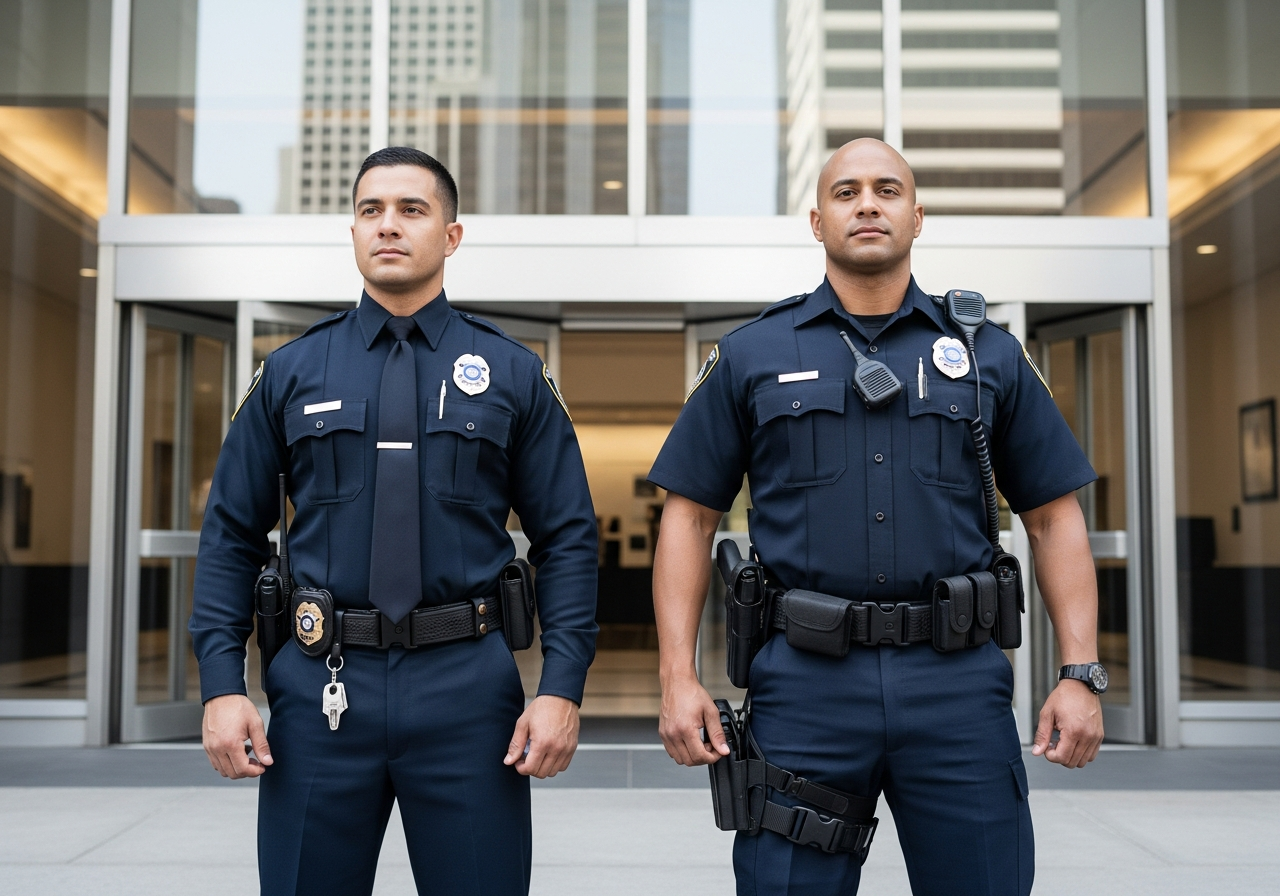
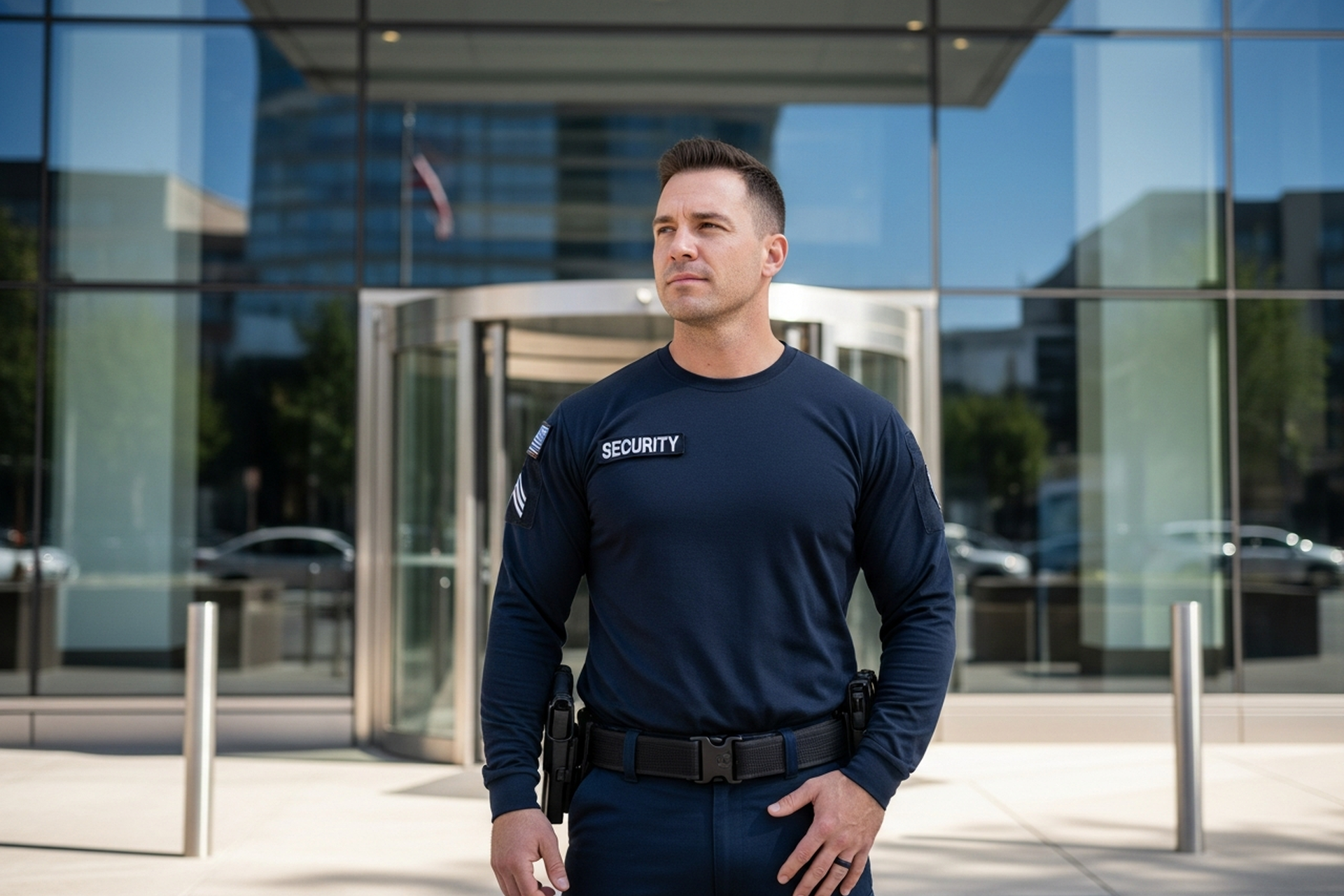
Security personnel operating in a retail environment affected by ORC need to understand their role clearly. The objective is observation, documentation, and de-escalation, not physical apprehension. Industry best practice and Cascadia's own operating philosophy both align on this: attempting to physically intervene in a theft, particularly a crew-based theft, creates injury risk for employees and bystanders and can undermine the evidence chain that investigators need.
What trained unarmed security officers do well in a retail context is provide the visible deterrence that raises the effort cost for theft crews, observe and document incidents with the detail that supports law enforcement follow-up, and coordinate with store management to develop response protocols before incidents occur rather than improvising after them.
A professional security program for a retail environment is built around prevention and documentation, not confrontation. That distinction matters both for staff safety and for the long-term effectiveness of ORC enforcement.
Frequently Asked Questions
What is organized retail crime, and how is it different from shoplifting?
Organized retail crime involves coordinated groups committing theft as part of a planned criminal enterprise, typically with defined roles (boosters who steal, fences who resell) and a commercial resale operation. Individual shoplifting is typically opportunistic and small in scale. ORC operations move significant merchandise volume across multiple stores and jurisdictions and require a different response strategy.
Which product categories are most targeted by ORC in the Puget Sound region?
ORC crews typically target products with high resale value, broad consumer demand, and limited traceability. In the Puget Sound area, common targets include over-the-counter medications and personal care products, consumer electronics, tools, premium apparel, infant formula, and alcohol. These items are easy to resell through online marketplaces or physical fencing operations.
What is Washington doing to address organized retail crime?
The Washington Attorney General's Office established a statewide ORC Task Force in 2022 and subsequently created a dedicated 10-person Organized Retail Crime Unit with investigators, prosecutors, and data analysts. The unit has filed criminal prosecutions and secured sentences for multi-jurisdictional theft rings operating across King County, Pierce County, and Snohomish County.
What evidence should a store collect after a suspected ORC incident?
Stores should preserve timestamped video footage, written incident reports with physical descriptions and direction of travel, and any vehicle information including make, color, and partial license plate. Documentation should be saved before footage overwrites and filed consistently. This evidence is directly useful to law enforcement and to the Attorney General's ORC Unit when building pattern cases.
Should store employees try to stop or detain ORC theft suspects?
No. Industry best practice and Cascadia's approach both strongly discourage physical intervention. Staff should observe and document incidents, notify security personnel, and contact law enforcement. Attempting to physically detain suspected ORC crew members creates injury risk and can compromise the evidence integrity that investigators need for prosecution. The goal is accurate documentation and prompt reporting, not confrontation.
Building an ORC-aware security program
Organized retail crime in Puget Sound is not going away, but the response infrastructure is more developed than it has ever been. Store owners who understand how ORC operates, invest in visibility and documentation systems, and connect to the law enforcement and industry networks available to them are meaningfully better positioned than those treating every theft as an isolated event.
If you want to talk through what an ORC-aware security program looks like for your specific retail environment, Cascadia Global Security works with retailers across the Puget Sound region. You can reach our team at (800) 939-1549 or request a consultation to discuss coverage options tailored to your store's layout, staffing, and risk profile.