Overnight Lot Security for Chicago-Area Car Dealerships
Josh Harris | June 15, 2026
A new-car dealership lot closes at 8 p.m. with $3 million or more in inventory sitting in neat rows under the lights. By midnight, without a security presence, that lot is one of the most visible and accessible high-value targets in any commercial corridor. Overnight dealership security in Chicago is not a luxury add-on for stores selling high-end marques. It is a baseline risk management decision for any Chicagoland dealer carrying meaningful inventory outside after hours.
Vehicle theft, parts targeting, and lot drive-offs are documented patterns at dealerships across the metro, from the Western Avenue dealer row and Cicero Avenue strips through the auto malls in Schaumburg, Hoffman Estates, and Naperville, and extending into the North Shore luxury corridor and the South Suburbs. Each corridor has its own risk texture, but the shared denominator is simple: a lot full of vehicles, a predictable closing schedule, and insufficient deterrence once the sales staff goes home.
Why Dealership Lots Attract Theft After Hours
Dealership inventory presents a specific combination of risk factors that general commercial properties do not share.
High-value vehicles are staged for visibility, not security. Front-row inventory is positioned to be visible from the street, which serves both the marketing function and the risk of theft. Key fob relay attacks exploit keyless entry systems by amplifying the fob signal from inside the showroom or a key safe, allowing a vehicle to be unlocked and started without physical access to the key. No forced entry, no broken glass: the vehicle simply drives off the lot.
Lot drive-offs use a different vector: unsecured key safes, improperly reconciled loaner fleets, and after-hours appointments arranged through deceptive scheduling. A dealership without end-of-day key reconciliation and without a security presence to observe after-hours vehicle movement is exposed on multiple fronts simultaneously.
Catalytic converter theft adds a different layer of loss. Pickup trucks, hybrid crossovers, and certain SUV models popular in dealership inventory carry converters that command significant value in the secondary market. Illinois enacted legislation in 2023 (Senate Bill 1153) that makes it harder to sell stolen converters through scrap dealers, which has shifted some activity toward targeting locations where multiple vehicles are accessible within a short window, such as unguarded overnight lots.
Parts theft and vandalism round out the risk picture. Alloy wheels, tailgates on full-size trucks, infotainment screens from unlocked demonstration vehicles, and shop tools stored in service bays have all been targeted. Vandalism creates immediate inventory depreciation. The National Insurance Crime Bureau, which tracks vehicle theft and parts-targeting data in partnership with law enforcement and insurers, consistently finds that the absence or inadequacy of security is the shared factor in repeat dealership incidents.
The Chicagoland Dealer Corridor Context
Chicago and the surrounding metro have several distinct dealer corridors, each with its own footprint and risk profile.
The Western Avenue and Cicero Avenue strips in the city and immediate suburbs run through dense commercial zones where after-hours foot and vehicle traffic is relatively high. Stores on these corridors tend to have tighter lots and are more exposed to opportunistic events rather than organized, large-scale drive-off attempts.
The Schaumburg and Hoffman Estates auto malls along I-90 and Route 53 contain some of the region's highest-volume stores. The open-field lots offer more perimeter to manage, which makes perimeter deterrence and camera placement more complex than in tighter city-adjacent corridors.
Naperville's dealer corridor along Route 59 serves a high-income market with luxury and near-luxury franchises, pushing the case for comprehensive overnight protection. North Shore stores in communities like Highland Park and Wilmette operate with smaller lots and higher per-vehicle inventory values. South suburban stores have documented Kia and Hyundai theft exposure tied to the social media-amplified theft method that emerged in recent years, creating a concentrated pattern in specific vehicle segments.
Illinois licensing requirements apply across all of these markets. Officers providing security on a dealership lot must hold a valid Permanent Employee Registration Card (PERC) issued by the Illinois Department of Financial and Professional Regulation. Armed guards require the additional Firearm Control Card (FCC). Most overnight dealership security programs are unarmed; the visible deterrence function, documented patrols, and coordination with local police are sufficient for the majority of stores.
The Layered Overnight Dealership Security Model
No single security measure is adequate for a dealership lot after hours. Organized theft groups conduct pre-operational surveillance and identify which properties have gaps. An effective program combines physical deterrents, surveillance, patrol activity, and key control into a layered system that eliminates predictable vulnerabilities.
Perimeter Deterrence
The front row is the most visible and most frequently targeted location on any lot. Cable locks through wheel spokes create a visible deterrent against drive-offs. Bollards at entry points that lock after closing prevent vehicles from exiting through the primary entrance without confronting a physical obstacle. LED perimeter lighting eliminates shadows that conceal converter thieves, and signage indicating active camera monitoring and a contracted patrol signals that the location is not soft.
Camera Coverage and LPR
Analytics-equipped cameras that detect motion after closing alert monitoring centers before an incident occurs. License plate recognition (LPR) cameras at lot entrances log every vehicle entering and departing after hours, providing data for both immediate response and next-morning review. Placement requires attention to blind spots created by vehicle rows, with elevated angles for undercarriage-level converter theft detection and coverage of the key safe area and service bay access points.
Mobile Patrol
Randomized mobile patrols through the lot at night are one of the most effective deterrents available. Organized theft teams monitor locations before targeting them. A marked patrol vehicle making unpredictable visits at unquantifiable intervals disrupts that reconnaissance because the criminal's risk calculation is no longer predictable.
Cascadia's mobile patrol program documents every visit with GPS-timestamped reports, creating a record that a store can produce to insurers and law enforcement after an incident. The documentation also demonstrates due diligence, which matters in both insurance claims and potential liability disputes. Dealers across the Chicago metro who operate large lots with multiple franchise brands benefit from the route efficiency of a patrol program that can cover several adjacent properties on a single shift.
Static Posts
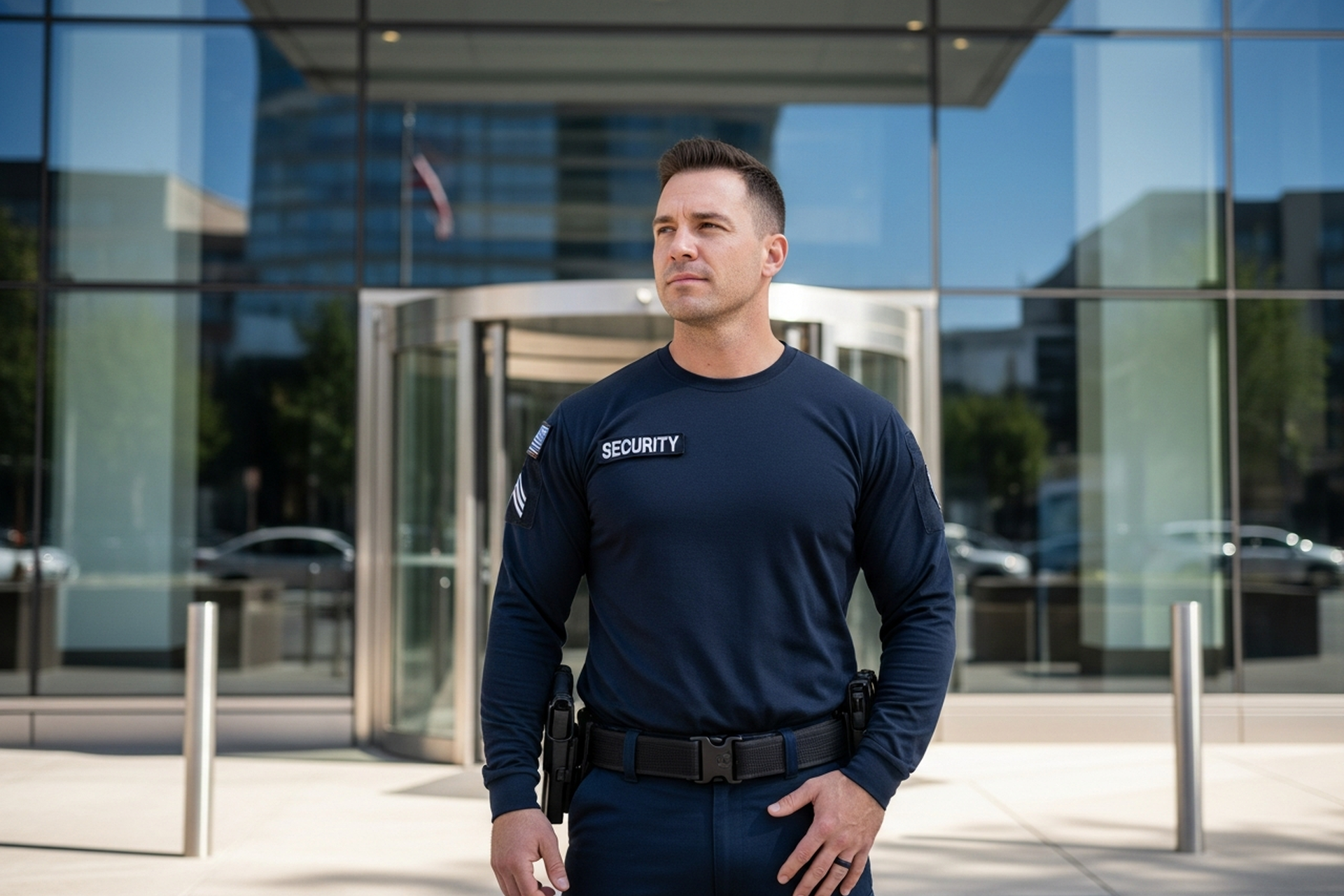
Higher-risk stores, particularly those carrying significant luxury inventory or located in corridors with documented organized theft activity, may justify a static unarmed guard post on the lot during overnight hours. A static officer provides continuous presence rather than intermittent coverage, eliminating the gap between patrol visits. For stores that have experienced prior incidents or carry inventory values where even a single vehicle loss justifies the cost of overnight staffing, a static post is often the most defensible choice.
Off-duty law enforcement officers are appropriate for stores at the highest end of the value-or-risk spectrum. Their deterrence signal is stronger, their authority during an active incident differs, and their familiarity with the local district-level crime environment adds operational value.
Key Control and End-Of-Day Reconciliation
Physical and patrol security do not compensate for internal key management failures. An electronic key cabinet with access logging and end-of-day reconciliation closes the most common vector for lot drive-offs. Every key issued during business hours and every key returned should be documented. Discrepancies should trigger an immediate inventory count before the lot closes for the night.
Coordinating with Local Law Enforcement
Dealerships operating in Chicago should register high-value inventory with their CPD district. Suburban stores have corresponding relationships with their municipal departments. Pre-existing relationships mean faster alarm response and more efficient incident handling when patrol officers already know the property layout and contact protocols.
The National Automobile Dealers Association provides operational guidance for dealers on loss prevention and inventory management practices. Dealers who combine industry best practices with a professional security program and an active law enforcement relationship present a meaningfully harder target than stores relying on cameras and lighting alone.
Metrics and What Cascadia Brings to Chicagoland Dealerships
A dealership security program should produce measurable outputs. Monthly incident counts, lot drive-off events, converter cuts, and parts theft reports are the baseline metrics. A program running correctly will show a decline in incident frequency over its first 90 days. After 12 months, GPS-documented patrol logs and incident reports become useful in insurance conversations and support decisions about staffing adjustments.
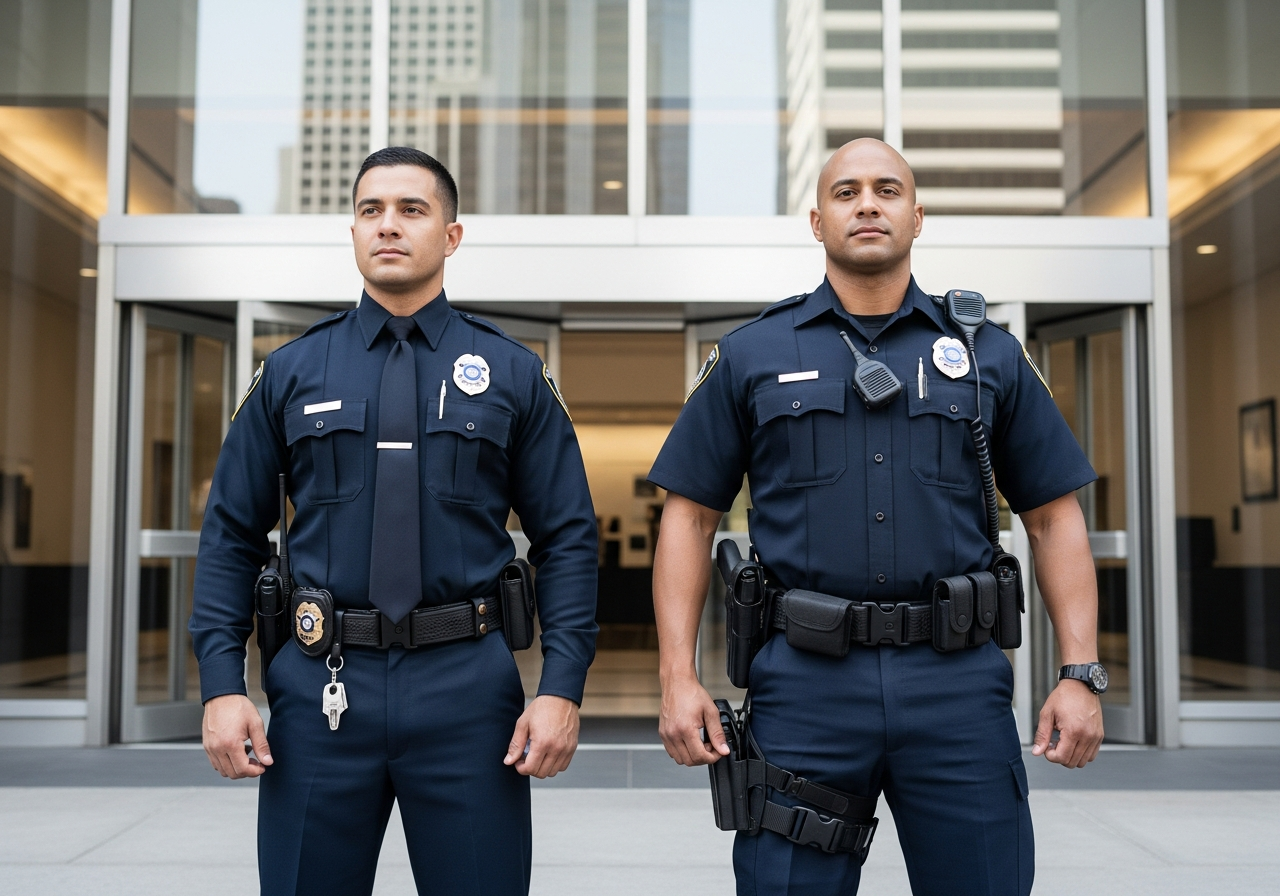
Cascadia Global Security provides licensed, PERC-credentialed officers for overnight dealership programs across the Chicago metro and Chicagoland suburbs. Programs are configured around each store's footprint, inventory profile, and risk history. Stores with documented converter or drive-off exposure receive a layered program combining mobile patrols, perimeter assessment, and key control consultation. Stores operating at the luxury end of the market, or those with prior organized theft incidents, can add static posts or off-duty officer coverage.
Cascadia's retail security framework applies directly to the dealership environment: documented patrols, incident reporting, coordination with local law enforcement, and a response protocol that keeps the dealer informed throughout. If your store is carrying overnight inventory risk without a verified security program in place, the time to build one is before the next incident, not after. Get a Quote or call (800) 939-1549 to speak with a Cascadia team member today.
Frequently Asked Questions
What type of security officer is most common for overnight dealership lots?
Most Chicagoland dealerships use unarmed security guards for overnight lot coverage. The deterrence value of a uniformed presence and a marked patrol vehicle is sufficient for the majority of stores. Armed guards and off-duty law enforcement are reserved for stores with documented exposure to organized theft or very high per-vehicle inventory values.
How often should a mobile patrol visit a dealership lot overnight?
Most programs structure two to four randomized patrol visits per shift. The randomization matters as much as the frequency: a fixed schedule can be observed and timed around by an experienced theft team. GPS timestamps from each visit provide the record that demonstrates active monitoring.
Does overnight security reduce catalytic converter theft?
Yes, consistently. Converter theft requires a crew to operate under vehicles with cutting equipment, a time-consuming process. A visible security presence with randomized patrol visits disrupts that window. Well-lit lots with active monitoring experience significantly fewer converter theft incidents than lots with lighting and cameras alone, because cameras document, and a patrol officer interrupts.
What is the Illinois PERC card requirement for dealership security officers?
Any officer providing contracted security services on an Illinois dealership lot must hold a valid PERC (Permanent Employee Registration Card) issued by the Illinois Department of Financial and Professional Regulation. Armed officers require the additional Firearm Control Card (FCC). Both requirements apply to the employing security company, meaning the provider's company license and individual officer credentials should be verified before a contract is signed.
What should a dealership track to measure its security program's effectiveness?
Monthly incident logs covering drive-offs, converter cuts, vehicle break-ins, and vandalism attempts are the core metrics, paired with GPS-documented patrol logs. After 90 days, a well-run program should show measurable reductions in incidents. After 12 months, that documentation becomes useful in insurance conversations and supports staffing adjustment decisions.