Private Bodyguard Services: What to Expect
Josh Harris | February 18, 2026
When a client first considers hiring protection, the question isn't whether they need security. It's whether they understand what private bodyguard services actually deliver. The gap between Hollywood depictions and professional executive protection is substantial, and that misunderstanding often leads to unrealistic expectations or, worse, inadequate security arrangements.
Professional protection isn't about intimidating entourages or dramatic interventions. The best bodyguards operate so smoothly that their presence barely registers until it matters. They prevent incidents rather than react to them, and their value lies in meticulous planning, situational awareness, and the ability to read threats before they materialize. For high-net-worth individuals, executives, public figures, or anyone facing elevated risk, understanding what to expect from these services is critical to determining whether the investment provides genuine security or merely the appearance of it.
This distinction matters because your safety depends on it. Whether you're considering protection for a specific event, ongoing personal security, or corporate executive protection, knowing how these professionals operate helps you make informed decisions and work effectively with your security team.
Defining the Role of a Private Bodyguard
A private bodyguard's primary function extends far beyond physical intervention. These professionals serve as risk managers, advance scouts, and crisis prevention specialists. Their training encompasses threat detection, emergency medical response, defensive driving, and conflict de-escalation. While critical, physical protection is only one component of a comprehensive skill set.
Executive Protection vs. General Security
Executive protection agents differ significantly from standard security guards. Where a security officer monitors a fixed location, an executive protection specialist moves with the principal, adapting to changing environments and dynamic threat landscapes. This role requires advanced training in close protection techniques, surveillance detection, and emergency protocols.
Cascadia Global Security provides both categories of service, recognizing that clients need different solutions depending on their circumstances and risk profiles.
Low-Profile vs. High-Visibility Presence
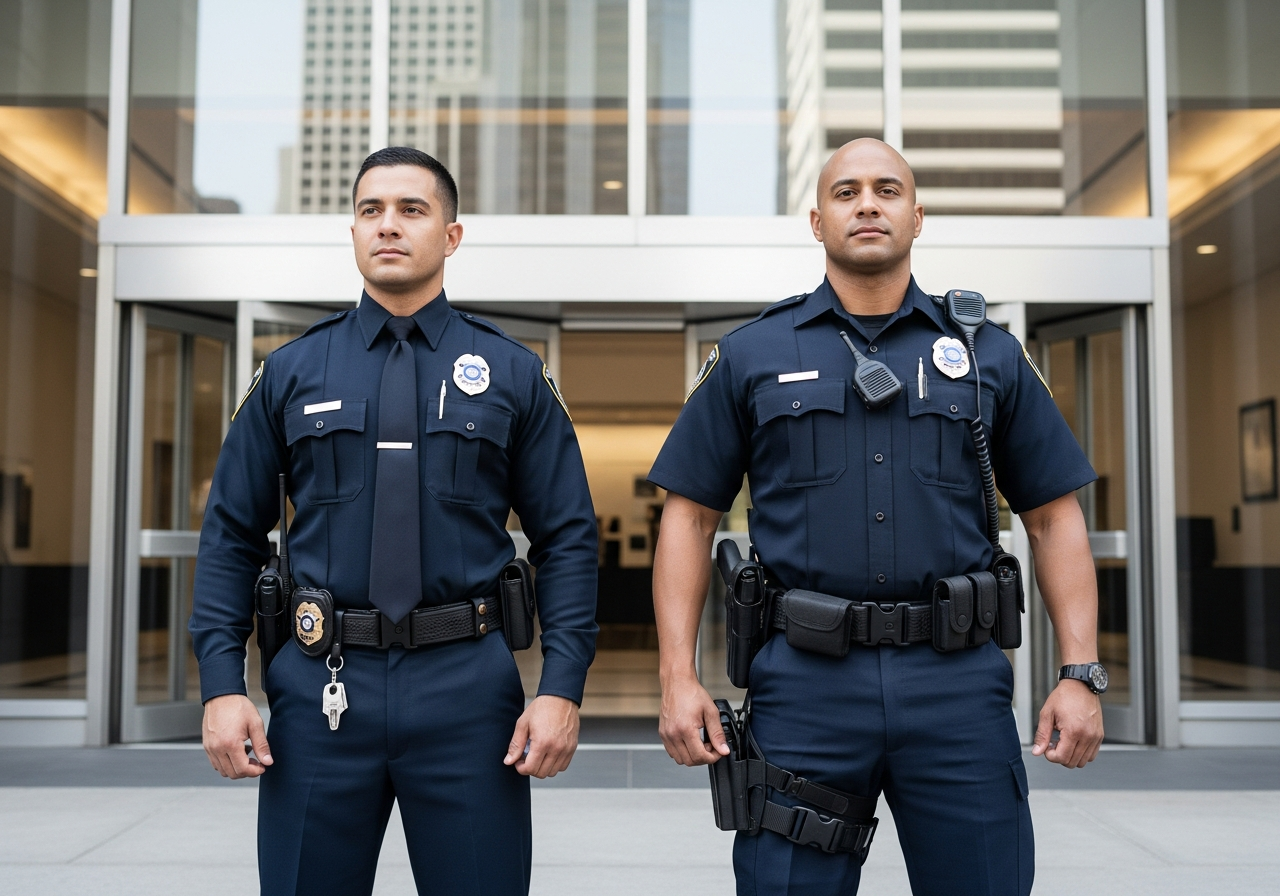
Some situations call for an obvious security presence. A visible bodyguard can deter opportunistic threats and signal that the principal takes security seriously. In other circumstances, discretion is required, where protection personnel blend seamlessly into the environment. The choice between these approaches depends on the threat assessment, the principal's preferences, and the specific context. A celebrity at a public event might benefit from visible protection, while a corporate executive prefers agents who appear to be assistants or colleagues.
Core Services and Daily Responsibilities
The daily work of a private bodyguard involves far more preparation than action. Most protective details spend the majority of their time on planning, reconnaissance, and coordination rather than responding to active threats.
Threat Assessment and Risk Mitigation
Before any protective operation begins, agents conduct thorough threat assessments. This process examines the principal's public profile, known adversaries, travel patterns, and potential vulnerabilities. The assessment identifies specific risks and informs the protection strategy. Regular reassessments ensure the security plan adapts to changing circumstances, new threats, or shifts in the principal's routine.
Secure Transportation and Route Planning
Vehicle movements are among the highest-risk periods for any principal. Professional bodyguards plan primary and alternate routes, identify safe havens along the way, and coordinate timing to minimize predictability. They inspect vehicles before use, position themselves strategically during transit, and maintain constant awareness of surrounding traffic. Some protection details include trained defensive drivers who can execute evasive maneuvers if necessary.
Crowd Control and Perimeter Management
Public appearances require careful crowd management. Protection agents establish perimeters, identify potential threats within crowds, and create buffer zones around the principal. They coordinate with venue security, position themselves at strategic points, and maintain communication throughout the event. The goal is to control the environment without creating an oppressive atmosphere that draws unwanted attention.
The Onboarding Process and Client Integration
Effective protection requires a genuine partnership between the security team and the principal. The onboarding process establishes this relationship and ensures both parties understand their roles.
Initial Security Audits and Consultations
The relationship begins with comprehensive consultations. Security professionals evaluate the client's current vulnerabilities, lifestyle patterns, and specific concerns. This audit examines residential security, workplace protocols, travel habits, and digital footprint. The findings shape the protection plan and identify immediate improvements.
Cascadia Global Security conducts these assessments with attention to both obvious vulnerabilities and subtle risk factors that clients often overlook.
Establishing Communication Protocols
Clear communication protocols prevent confusion during routine operations and emergencies. The team establishes check-in schedules, emergency signals, and chain-of-command procedures. Principals learn how to communicate concerns, request changes, and respond during security incidents. These protocols become second nature over time, enabling seamless coordination between the protection team and the client.
Professional Standards and Qualifications
The private security industry includes providers ranging from highly trained professionals to inadequately prepared individuals. Understanding qualifications helps clients distinguish between them.
Licensing and Background Requirements
Legitimate bodyguards hold appropriate state licenses and have passed extensive background checks. Many come from military special operations, law enforcement, or government protective services. They maintain certifications in first aid, defensive tactics, and firearms. Reputable security firms verify credentials, conduct their own background investigations, and require ongoing training. In the U.S., most states require bodyguards and executive protection agents to hold state-issued licenses for security or private investigation. This often includes additional armed endorsements required by state laws, such as those governed by the
California Bureau of Security and Investigative Services (BSIS) or the
Texas Department of Public Safety (DPS). Ask prospective providers about their vetting process and the specific qualifications of assigned personnel.
Discretion and Confidentiality Agreements
Protection agents gain intimate access to clients' lives, schedules, and personal information. Professional standards demand absolute discretion. Reputable firms require personnel to sign comprehensive confidentiality agreements and enforce strict policies prohibiting the disclosure of client details. This discretion extends beyond employment, with obligations continuing after the protective relationship ends.
Cost Factors and Service Customization
Private bodyguard services represent a significant investment, and pricing varies substantially based on multiple factors.
Short-Term vs. Long-Term Contracts
Event-based protection typically costs more per day than ongoing arrangements. Short-term assignments require rapid planning, may involve travel expenses, and don't benefit from the efficiencies that develop over time. Long-term contracts enable more thorough preparation, established routines, and often lower daily rates. Clients should consider their actual needs rather than defaulting to the minimum coverage.
Specialized Equipment and Travel Expenses
Beyond personnel costs, protection details may require specialized vehicles, communication equipment, surveillance detection technology, and protective gear. International travel adds complexity with visa requirements, local security coordination, and potentially armored vehicle rentals.
Cascadia Global Security provides transparent pricing that accounts for these variables, ensuring clients understand the full investment before committing.
Choosing the Right Security Partner
Selecting a protection provider requires careful evaluation. Request references from clients with similar profiles and verify the firm's track record. Assess their communication style during initial consultations: providers who listen carefully and ask detailed questions typically deliver better service than those who immediately pitch solutions. Consider the chemistry between your family or team and the proposed protection personnel, as this relationship requires trust and comfort.
The right provider matches their capabilities to your specific needs rather than offering generic packages. They should explain their methodology clearly, provide detailed proposals, and demonstrate flexibility in adapting to your requirements.

Frequently Asked Questions
How much does a private bodyguard cost per day?
Depending on factors such as the agent's experience, the risk involved, and the geographic location, typical daily rates range from $600 to $2,500. Executive protection specialists with military or government backgrounds command premium rates. Long-term contracts often reduce the effective daily cost compared to short-term engagements.
Do bodyguards carry weapons?
Armed protection for a private bodyguard is determined by jurisdiction, client preferences, and a thorough threat assessment. Specifically in the United States, carrying a firearm requires obtaining a state-issued permit and complying with all applicable local laws on firearm transport and carry. Armed protection requires additional licensing and is appropriate for higher-risk situations. Many protective details operate effectively without firearms, relying on avoidance, de-escalation, and coordination with law enforcement.
How far in advance should I book protection services?
For planned events, two to four weeks allows adequate time for threat assessment and advance work. Ongoing protection arrangements benefit from even longer lead times. Emergency situations can sometimes be accommodated with shorter notice, though this limits the thoroughness of preparation.
Can bodyguards travel internationally with clients?
International operations are possible but demand thorough advance planning. Our agents strictly adhere to international laws governing the transport of security and weapons. A key aspect is that carrying firearms across borders is generally prohibited without formal authorization from diplomatic channels or the host nation. Agents must navigate foreign weapons laws, coordinate with local security providers, and understand regional threat environments. Experienced firms maintain networks that facilitate international protection.
What's the difference between a bodyguard and a security guard?
Security guards typically protect fixed locations, while bodyguards provide mobile protection for individuals. Bodyguards receive specialized training in close protection, surveillance and detection, and emergency response, tailored to protecting people rather than property.
Making Protection Work for You
Private bodyguard services provide genuine security when clients understand what they're purchasing and actively engage in the process. The most effective protection relationships involve principals who communicate openly, follow reasonable security recommendations, and view their protection team as partners rather than employees.
Your security needs will evolve over time, and your protection plan should adapt accordingly. Regular reviews with your security provider ensure the strategy remains appropriate for current circumstances. Whether you face ongoing threats or occasional elevated risk, professional protection provides peace of mind grounded in genuine expertise and preparation.