
Security Guard Patrol Services Explained
Josh Harris | March 19, 2026
Why Patrol Security Is More Effective Than Static Security Measures
A single break-in can cost a business tens of thousands of dollars in stolen inventory, property damage, and operational downtime. Yet the most effective deterrent often comes not from expensive alarm systems, but from the visible presence of trained security personnel actively monitoring your property. Understanding how security guard patrol services work reveals why this approach consistently outperforms static security measures for properties of all sizes. Whether you manage a sprawling warehouse complex, a multi-building corporate campus, or a retail center with after-hours vulnerability, patrol services offer a dynamic layer of protection that fixed cameras and alarm sensors simply cannot replicate. The key lies in understanding which patrol configuration matches your specific risk profile and operational requirements.
The Fundamentals of Professional Patrol Services
Professional patrol services represent a proactive approach to property protection, emphasizing movement, visibility, and active threat detection over passive monitoring.
Differentiating Static Guarding and Mobile Patrols
Static guards remain at fixed positions, typically managing entry points, reception desks, or specific high-value areas. Mobile patrols take the opposite approach: officers move continuously through designated zones, covering far more ground and creating an unpredictable security presence. Static positions work well for access control and visitor management, while mobile patrols excel at perimeter security, after-hours protection, and monitoring large properties where fixed posts would be impractical. Many facilities benefit from combining both approaches, with static guards handling daytime access control and mobile patrols covering overnight hours.
Core Objectives: Deterrence, Detection, and Response
Every
patrol service builds on three interconnected goals. Deterrence comes from visible security presence, as potential criminals consistently avoid properties where they might encounter officers. Detection involves identifying threats, hazards, or policy violations before they escalate into serious incidents. Response capability ensures that when problems occur, trained personnel can intervene immediately rather than waiting for the police to arrive.
Cascadia Global Security structures its patrol programs around these three pillars, ensuring each client receives coverage addressing their specific vulnerability profile.
Primary Types of Security Patrols
Different properties require different patrol methodologies. Selecting the right type depends on your facility's size, layout, and risk factors.
Vehicle-Based Perimeter Sweeps
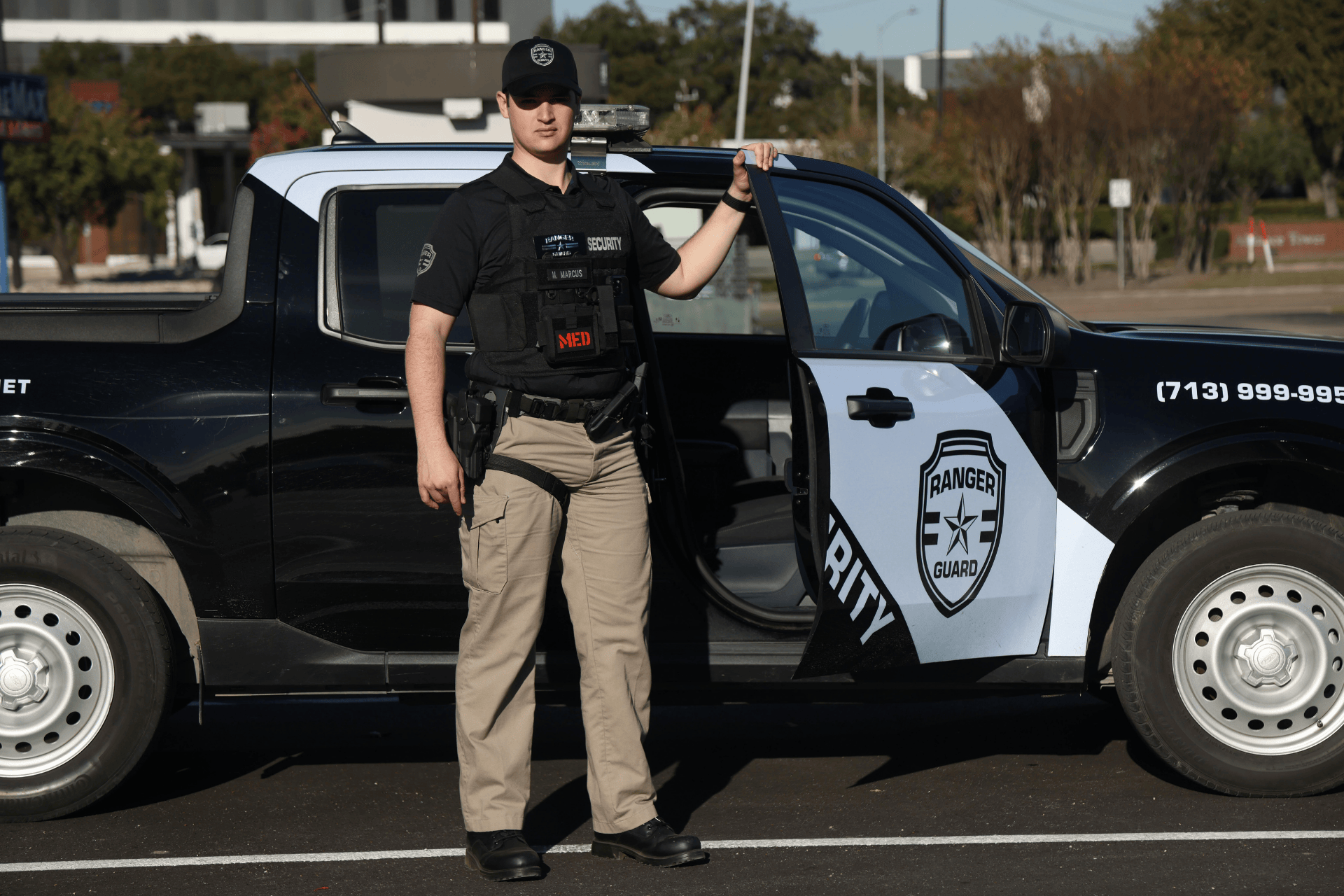
Vehicle patrols cover large properties efficiently, with marked security vehicles providing high visibility across parking lots, perimeter fencing, and exterior building areas. Officers can respond quickly to incidents across expansive sites and carry additional equipment, including emergency supplies, communication gear, and documentation tools. Vehicle patrols typically cover properties ranging from 5 to 200+ acres, making them ideal for industrial parks, distribution centers, and large commercial developments.
Foot Patrols for Interior and High-Density Areas
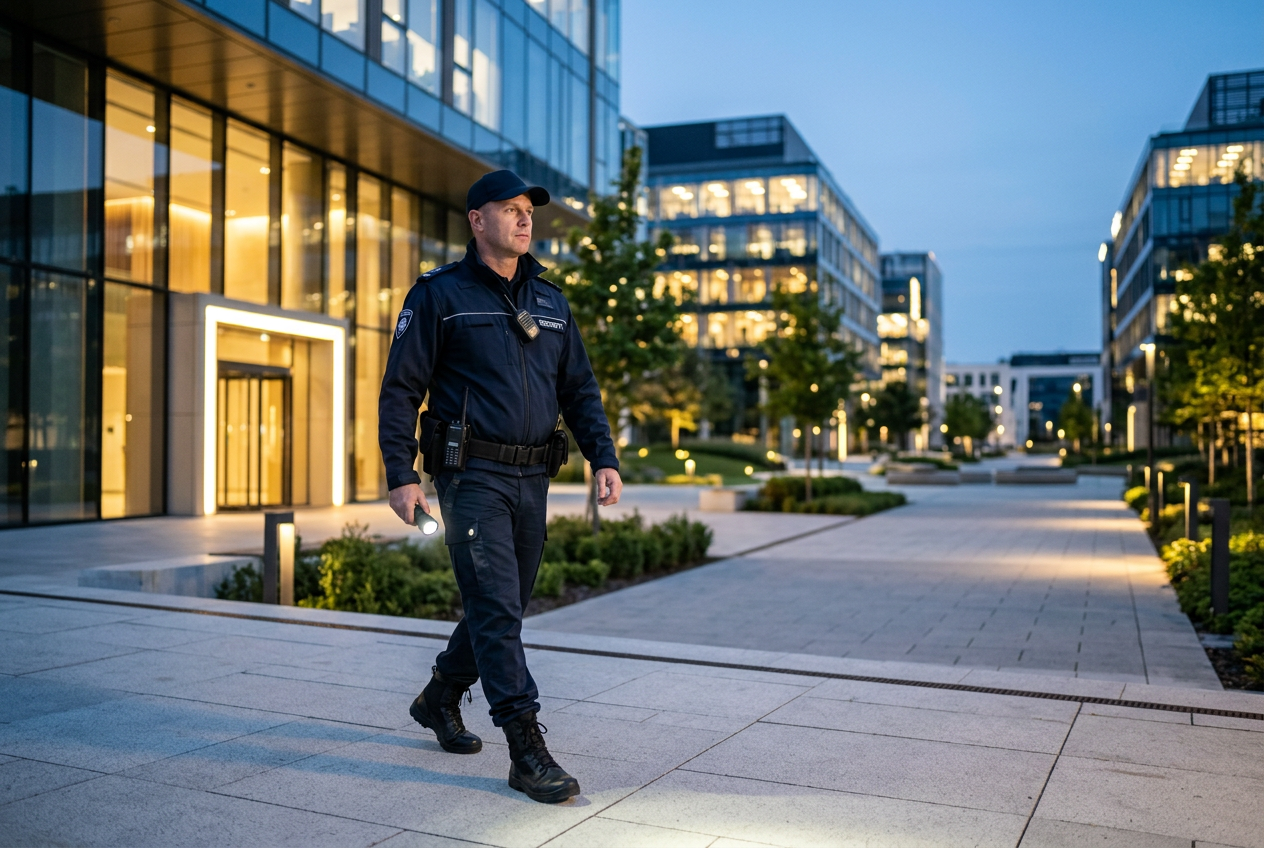
Interior spaces and pedestrian-heavy environments require foot patrols. Officers walking through buildings, parking structures, and common areas can observe details that vehicle-based patrols miss: unlocked doors, suspicious behavior, safety hazards, and maintenance issues. Foot patrols also enable direct interaction with employees, tenants, and visitors, building relationships that improve overall security culture. Retail centers, office buildings, and multi-tenant properties typically combine vehicle perimeter coverage with foot patrols through interior spaces.
Scheduled vs. Randomized Patrol Patterns
Predictable patrol schedules create vulnerability windows that experienced criminals can exploit. Randomized patterns eliminate this risk by varying patrol times, routes, and frequencies. Research consistently shows that unpredictable security presence provides stronger deterrence than clockwork schedules. Professional patrol services use a hybrid approach: certain checkpoints receive guaranteed coverage at specific intervals, while the routes and timing between checkpoints vary randomly.
Modern Technology Enhancing Patrol Effectiveness
Technology has transformed patrol services from simple watchman rounds into sophisticated, data-driven security operations.
GPS Tracking and Real-Time Reporting Systems
Modern patrol vehicles and officer devices include GPS tracking, providing clients with real-time visibility into patrol activity. Supervisors can verify that officers are completing assigned routes and responding appropriately to incidents. GPS data also creates detailed records useful for liability protection, incident investigation, and service verification. Clients receive reports showing exactly when and where patrols occurred, eliminating guesswork about service delivery.
Electronic Guard Tour Systems (NFC and QR Codes)
Guard tour systems use NFC tags or QR codes placed at designated checkpoints throughout a property. Officers scan these markers during patrols, creating timestamped records proving they physically visited each location. This technology ensures accountability while generating data that helps optimize patrol routes over time. The system's flag missed checkpoints immediately, allowing supervisors to address coverage gaps in real time rather than discovering them after incidents.
Key Responsibilities of a Patrol Officer
Patrol officers do far more than simply walk or drive through properties. Their responsibilities encompass comprehensive site protection.
Hazard Identification and Safety Inspections
During patrols, officers actively look for
safety hazards: wet floors, damaged walkways, malfunctioning lighting, fire hazards, and environmental risks. Early identification of these issues prevents accidents and reduces liability exposure. Officers document hazards and report them to property management, often catching problems before they cause injuries or property damage. This inspection function alone frequently justifies patrol costs through reduced insurance claims and maintenance expenses.
Access Control and Incident Documentation
Patrol officers verify that doors, gates, and access points remain properly secured. They challenge unauthorized individuals, verify credentials when appropriate, and ensure that after-hours access policies are followed. When incidents occur, officers document everything: photographs, witness statements, timelines, and the preservation of physical evidence. This documentation proves invaluable for insurance claims, legal proceedings, and internal investigations.
Cascadia Global Security trains all patrol officers in proper documentation procedures, ensuring clients receive thorough incident reports.
Benefits of Implementing Mobile Security Patrols
Organizations that implement professional patrol services consistently report measurable security improvements and operational benefits.
Cost-Effectiveness for Large Properties
Protecting a 50-acre industrial property with static guard posts would require numerous officers to maintain adequate coverage. Mobile patrols achieve comparable or better protection with fewer personnel, as officers continuously move through the property rather than remaining at fixed positions. This efficiency translates to significant cost savings, often 30–50% compared to static coverage of equivalent scope. The savings become even more pronounced for properties with irregular hours or seasonal security needs.
Rapid Response Capabilities and Crime Prevention
Patrol officers already on-site can respond to incidents within seconds rather than the average 7–10 minutes typical for police response in many urban areas. This rapid response capability often prevents crimes in progress and minimizes damage from incidents that do occur. Studies consistently show that properties with active patrol services experience 30–60% fewer security incidents than those relying solely on alarm systems and police response.
Selecting the Right Patrol Service for Your Facility
Choosing a patrol provider requires evaluating several factors beyond basic pricing. Look for companies with experience in your specific industry, as security challenges vary significantly between retail, industrial, healthcare, and corporate environments. Verify that the provider uses modern technology for tracking and reporting, and ask about their officer training standards and supervision practices.
Request references from clients with similar properties and security requirements. Inquire about their incident response protocols and how they handle situations requiring police involvement. The right provider will conduct a thorough site assessment before proposing a patrol program, rather than offering generic packages that may not address your actual vulnerabilities.
Frequently Asked Questions
How often should security patrols check my property?
Patrol frequency depends on your risk level and property size. High-risk properties may require hourly checks, while lower-risk sites might need patrols every 2-4 hours. Most commercial properties benefit from patrols every 1-2 hours during overnight periods.
What's the difference between armed and unarmed patrol officers?
Unarmed officers handle most patrol functions effectively and are appropriate for standard commercial properties. Armed officers are typically reserved for high-risk environments, properties with valuable inventory, or locations in high-crime areas. Your security assessment will determine which approach fits your needs.
Can patrol services be customized for seasonal needs?
Yes. Many businesses increase patrol frequency during holiday seasons, special events, or periods of known vulnerability. Professional providers offer flexible scheduling that adjusts to your operational calendar.
How do I verify that patrols are actually being completed?
Reputable providers use GPS tracking and electronic guard tour systems that generate verifiable records. Clients typically receive regular reports showing patrol times, routes, and checkpoint confirmations.
What should patrol officers do if they encounter a crime in progress?
Officers are trained to prioritize safety, immediately contact law enforcement, and document the situation. They serve as professional witnesses and can provide detailed information to responding police while maintaining scene security.
Partnering for Comprehensive Property Protection
Effective security requires more than equipment and alarms. It demands trained professionals who understand your property's unique vulnerabilities and can respond appropriately to any situation. For organizations seeking reliable patrol services backed by experienced management and proven protocols,
Cascadia Global Security offers customized programs designed around your specific operational requirements. Contact their team to discuss how professional patrol services can strengthen your facility's security posture.