Security Services Supporting Seattle Businesses
Josh Harris | March 10, 2026
The Evolving Security Landscape for Seattle Enterprises
Seattle's business environment presents a unique blend of opportunity and risk. From the bustling corridors of Pike Place to the sprawling tech campuses of South Lake Union, companies face security challenges that demand more than generic solutions. The city's rapid growth, combined with rising property crime rates and an increasingly complex urban environment, has pushed security services supporting Seattle businesses to the forefront of operational planning.
Local enterprises report a 27% increase in security-related incidents over the past three years, ranging from retail theft to unauthorized access to facilities. This shift has transformed how organizations approach protection, moving from reactive measures to proactive, intelligence-driven strategies. The most successful Seattle businesses now treat security as a core operational function rather than an afterthought.
What separates effective security programs from expensive failures comes down to local expertise, integrated technology, and personnel who understand the specific rhythms of Pacific Northwest commerce. Whether you operate a downtown retail location, a Bellevue tech office, or a SoDo warehouse, the right security partnership can mean the difference between business continuity and costly disruption.
Addressing Local Urban Safety Challenges
Seattle's urban density creates concentrated risk zones that require targeted responses. The downtown core sees heavy foot traffic mixing with a significant homeless population, creating friction points for businesses trying to maintain welcoming storefronts while protecting assets and employees. Transit hubs such as King Street Station and Westlake Center are particularly vulnerable during peak hours.
Waterfront businesses face additional concerns, including cargo theft and after-hours break-ins. The industrial areas south of downtown experience different patterns, with vehicle-based crimes and equipment theft dominating incident reports.
The Role of Private Security in Public Spaces
Private security fills critical gaps where public law enforcement resources are stretched thin. Seattle Police response times for non-emergency calls can exceed 25 minutes, leaving businesses exposed during critical windows. Professional security personnel provide immediate presence and deterrence that public resources cannot consistently deliver.
Effective private security in public-facing environments requires personnel trained in de-escalation and customer service, not just enforcement. The best providers, including Cascadia Global Security, deploy guards who balance approachability with authority, creating environments where legitimate customers feel welcome while potential bad actors recognize consequences.
On-Site Physical Protection Strategies
Physical security remains the foundation of any comprehensive protection program. Despite advances in technology, trained personnel on the ground provide irreplaceable judgment, flexibility, and immediate response capability that cameras and sensors cannot match.
Uniformed Guarding and Mobile Patrols
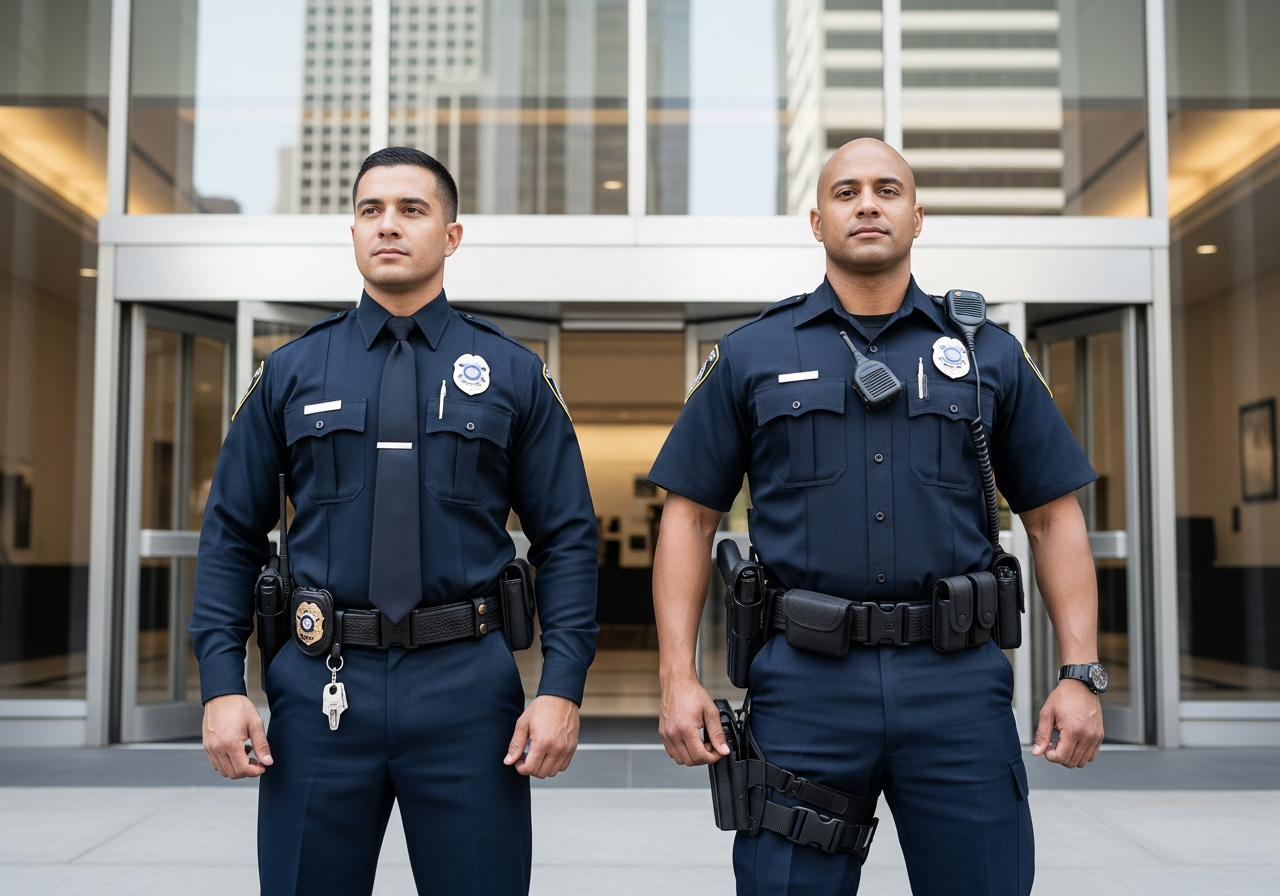
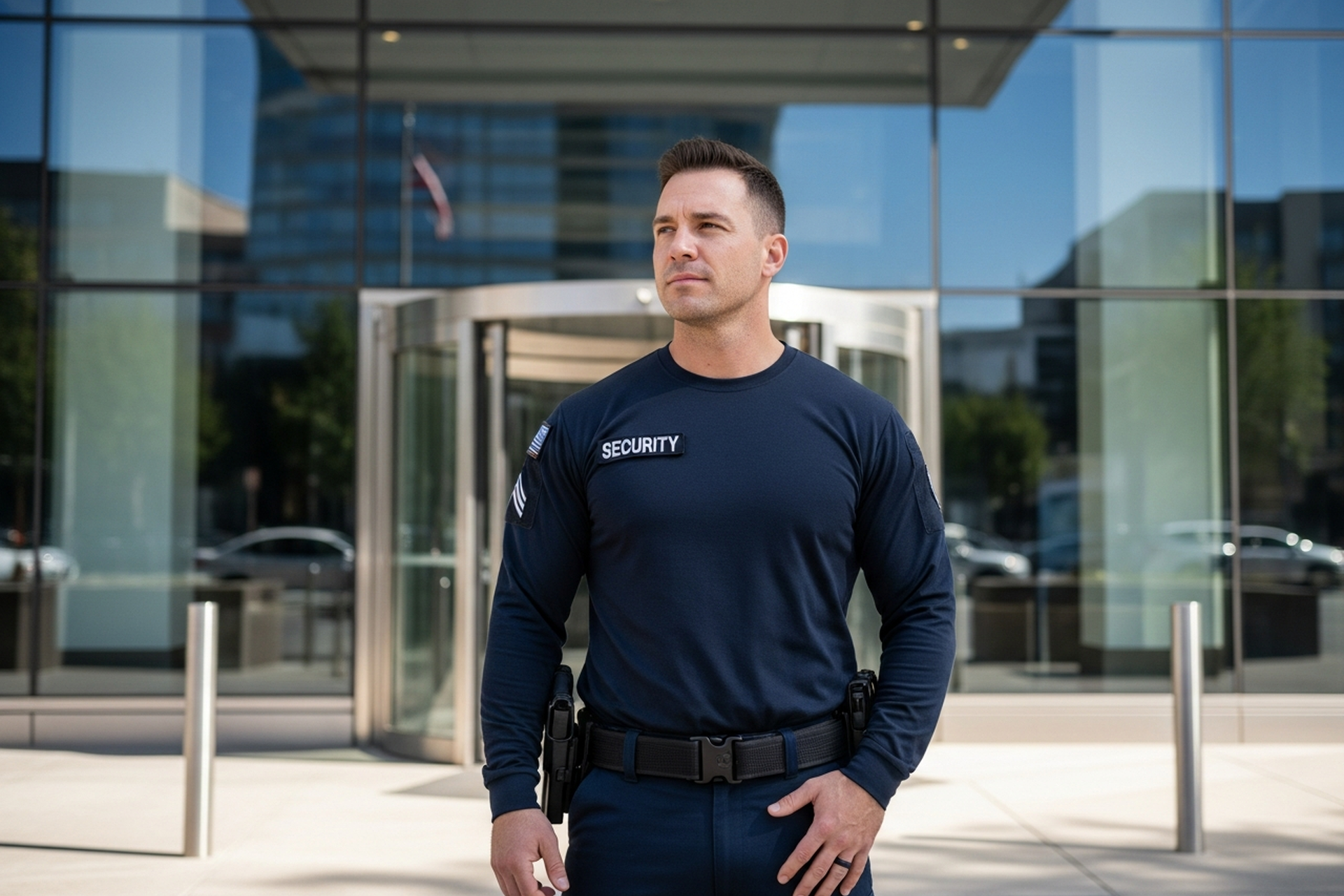
Uniformed guards serve as the most visible deterrent against opportunistic crime. Their presence alone reduces theft incidents by an average of 15% to 25% in retail environments. For Seattle businesses, guard placement matters as much as guard presence. High-traffic entry points, loading docks, and parking structures require different approaches than executive floors or server rooms.
Mobile patrols offer cost-effective coverage for businesses with multiple locations or large footprints. A single patrol unit can provide regular security presence across several sites, making them ideal for property management companies, construction firms with multiple active projects, and retail chains with clustered locations.
Executive Protection for Corporate Leadership
Seattle's concentration of high-profile tech executives and visiting business leaders creates demand for specialized protection services. Executive protection extends beyond physical security to include travel planning, threat assessment, and coordination with venue security teams.
Effective executive protection in Seattle requires local knowledge: understanding which neighborhoods present elevated risk, which venues have reliable security infrastructure, and which routes minimize exposure during high-profile movements.
Event Security for Seattle's Business Community
Corporate events, product launches, and shareholder meetings require security planning that balances access control with guest experience. Seattle's convention center, downtown hotels, and waterfront venues each present distinct security considerations. The goal is invisible security that guests barely notice until they need it.
Event security staffing ratios depend on crowd size, venue layout, and threat profile. A 200-person networking event at a downtown hotel differs dramatically from a 2,000-person product launch at a convention hall.
Technological Solutions and Surveillance Integration
Technology amplifies human security capabilities when properly integrated. The keyword is integration: standalone systems create data silos and response gaps, while connected platforms enable coordinated protection.
Smart CCTV and Remote Monitoring Systems
Modern surveillance systems go far beyond passive recording. AI-powered analytics can identify suspicious behavior patterns, track individuals across multiple camera feeds, and alert monitoring personnel to developing situations before they escalate. For Seattle businesses, this means faster response times and better evidence collection during incidents.
Remote monitoring allows trained security professionals to observe multiple locations simultaneously, directing on-site personnel to potential problems and coordinating with law enforcement when necessary. This approach proves particularly valuable for businesses that cannot justify a 24/7 on-site security presence.
Access Control and Biometric Security
Card-based access control has become standard for Seattle office buildings, but biometric systems offer enhanced security for sensitive areas. Fingerprint readers, facial recognition, and multi-factor authentication create layered protection that simple key cards cannot match.
The most effective access control systems integrate with HR databases, automatically updating permissions when employees change roles or leave the organization. This integration eliminates the security gaps that occur when manual processes fail to keep pace with personnel changes.
Specialized Services for High-Risk Industries
Certain Seattle industries face elevated security challenges that demand specialized expertise and tailored approaches.
Loss Prevention for Downtown Retailers
Retail theft in Seattle has reached significant but stabilizing levels for some merchants. Organized retail crime rings target high-value merchandise, while opportunistic theft affects stores across all price points. Effective loss prevention combines visible deterrence with investigative capabilities.
Loss prevention specialists from Cascadia Global Security understand retail-specific challenges, including balancing customer service, evidence collection for prosecution, and coordination with local law enforcement task forces targeting organized retail crime.
Securing Tech Hubs and Data Centers
Seattle's tech sector presents unique security requirements. Intellectual property protection, visitor management for sensitive facilities, and physical security for data infrastructure all require specialized knowledge. Guards assigned to tech campuses need training on handling proprietary information and understanding the specific threats facing technology companies.
Data centers require particular attention to environmental controls, redundant access systems, and personnel screening. A single security breach at a data facility can result in tens of millions of dollars in damages and regulatory penalties.
Emergency Response and Crisis Management
Security programs must prepare for worst-case scenarios while handling routine challenges effectively.
De-escalation Training and Conflict Resolution
The most valuable security skill in
urban Seattle environments is often the ability to resolve situations without physical intervention. Trained de-escalation reduces liability exposure, protects brand reputation, and keeps both employees and the public safe.
Effective de-escalation requires understanding behavioral cues, communication techniques, and when to escalate to law enforcement. Quality security providers invest heavily in this training.
Disaster Recovery and Business Continuity Planning
Specific natural disaster risks in Seattle include earthquakes and occasional flooding from heavy rainfall. Security teams play critical roles in emergency response, from evacuation coordination to post-incident facility assessment. Business continuity planning should integrate security personnel into emergency response protocols.
Selecting a Local Security Partner in the Pacific Northwest
Choosing the right security provider requires evaluating several factors beyond price. Local management presence ensures responsive service when issues arise. Personnel screening and training standards directly impact service quality. Insurance coverage and licensing compliance protect your business from liability exposure.
Ask potential providers about their Seattle-specific experience, client retention rates, and supervisor-to-guard ratios. Request references from businesses of similar size and industry. The best security partnerships develop over time as providers learn your specific needs and vulnerabilities.
Frequently Asked Questions
How much do professional security services cost in Seattle?
Pricing varies based on service type, hours required, and personnel qualifications. Unarmed guards typically range from $28 to $40 per hour, while armed officers and off-duty law enforcement command premium rates. Most providers offer volume discounts for multi-site or extended contracts.
What licensing requirements apply to security guards in Washington State?
To operate in Washington, security guards must possess a current license from the
Department of Licensing. This licensing process involves completing a background check and a minimum of eight hours of pre-assignment training, with mandatory annual refresher training thereafter. Employers are responsible for confirming that all assigned security personnel have valid licenses.
How quickly can security services be deployed for emergency situations?
Cascadia Global Security maintains rapid-response capabilities for emergency coverage needs. Typical deployment for temporary security can occur within 12 to 36 hours, though complex requirements may take longer.
Should Seattle businesses choose armed or unarmed security?
This depends on your specific risk profile, industry, and insurance requirements. Most retail and office environments use unarmed personnel, while high-value facilities, cash-handling operations, and certain industrial sites may warrant armed protection.
Building a Safer Business Environment
Seattle businesses that invest in professional security services gain more than protection: they gain operational confidence. The right security partnership allows you to focus on growth while trained professionals handle risk management.
For organizations seeking reliable, locally managed security solutions, Cascadia Global Security offers veteran-owned expertise tailored to Pacific Northwest business needs. Their team provides professional guard services and off-duty law enforcement personnel across diverse industries. Explore their services to discuss your specific security requirements.