What to Look for in an Armed Security Company
Josh Harris | February 7, 2026
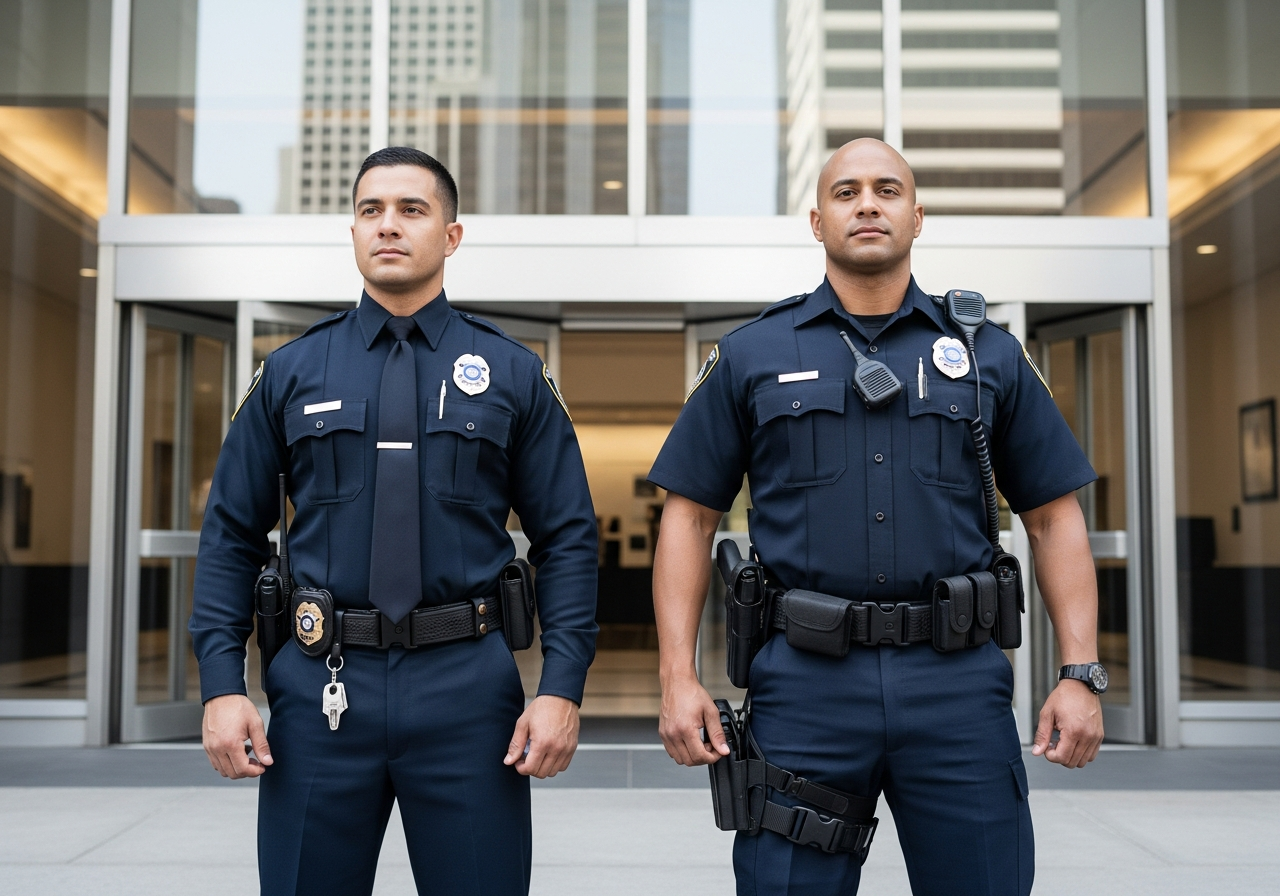
Hiring armed security personnel represents one of the most consequential decisions a business can make. The stakes extend far beyond property protection: you're placing lethal force capability in your facility and trusting that capability to individuals who must exercise sound judgment under pressure. A poor choice exposes your organization to liability, reputational damage, and genuine safety risks. A strong choice creates a protective barrier that deters threats while maintaining a professional environment. Understanding what to look for in an armed security company separates organizations that get this right from those learning expensive lessons. The criteria below will help you evaluate providers with the precision this decision demands.
Assessing Licensing and Legal Compliance
Armed security operates under strict regulatory frameworks that vary significantly by jurisdiction. A company's licensing status reveals its commitment to legitimacy and its ability to operate without exposing your business to legal complications.
State-Specific Armed Guard Certifications
Each state maintains distinct requirements for armed security personnel. California mandates a
Bureau of Security and Investigative Services (BSIS) firearms permit with specific training hours. Texas requires a Level III or Level IV license through the Department of Public Safety.
Florida enforces Class G licensing, which includes mandatory firearms safety and proficiency training.
- Verify the company holds valid state licenses for every jurisdiction where they'll operate
- Confirm individual guard certifications are current and properly documented
- Request proof of completed state-mandated training programs
- Ask how the company tracks license renewals and continuing education
Liability Insurance and Bonding Coverage
Insurance requirements for armed security far exceed standard commercial policies. Look for general liability coverage of at least $1 million per occurrence, with $2 million in aggregate preferred for larger operations.
- Demand certificates of insurance naming your organization as additionally insured
- Verify workers' compensation coverage meets state minimums
- Confirm the company carries professional liability insurance specific to the armed services
- Ask about excess liability or umbrella policies for high-value contracts
Evaluating Rigorous Training and Firearm Standards
Training quality directly correlates with incident outcomes. The difference between a well-trained armed guard and a poorly prepared one becomes apparent only in crisis situations, when the consequences are irreversible.
Marksmanship and Tactical Proficiency
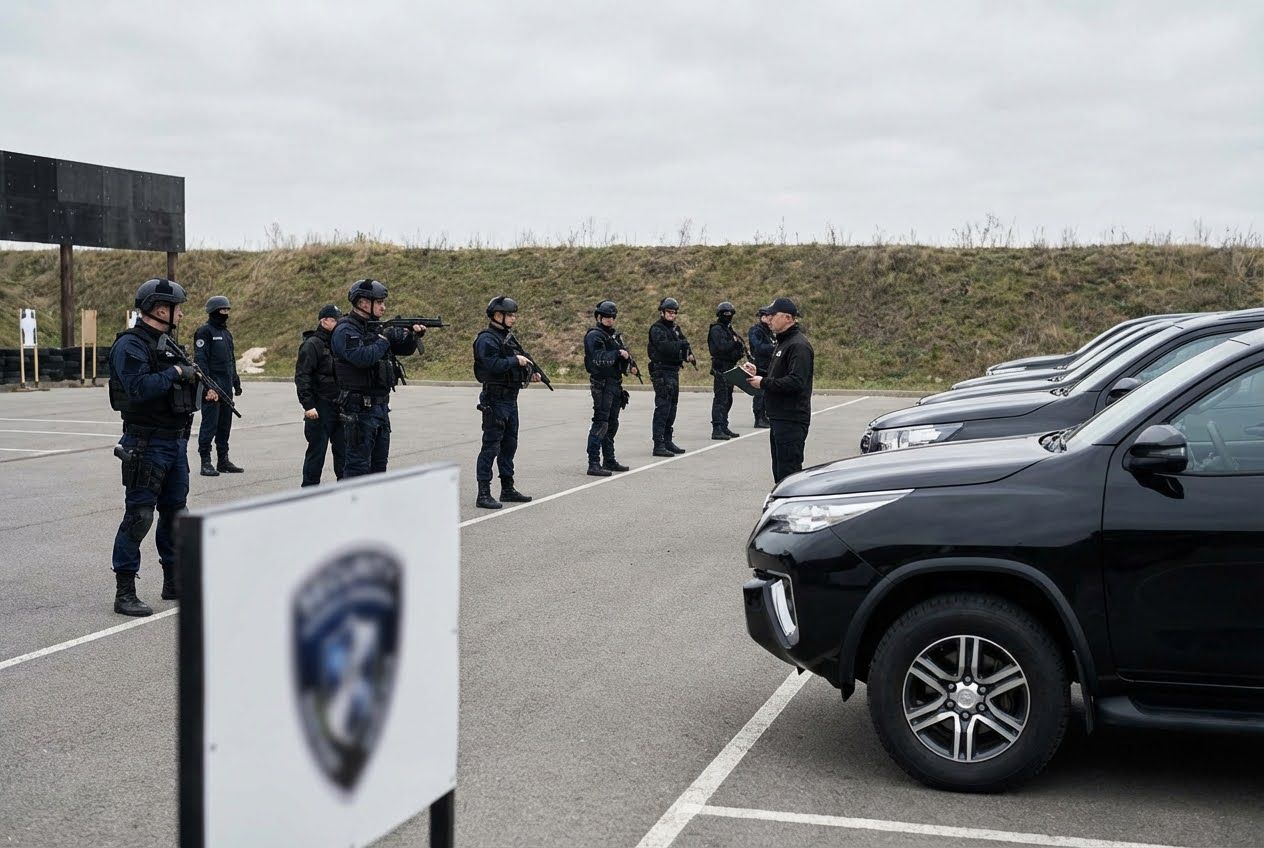
Baseline state requirements often specify a minimum range time, sometimes as few as 4 to 8 hours annually, depending on the jurisdiction. Quality providers exceed these minimums substantially.
- Look for companies requiring quarterly or monthly qualification shoots
- Ask about scenario-based training that simulates real-world conditions
- Verify training includes low-light shooting and stress inoculation exercises
- Confirm the company maintains records of qualification scores
Cascadia Global Security maintains training standards that exceed state minimums, ensuring guards demonstrate consistent proficiency under varied conditions.
De-escalation and Use-of-Force Training
Firearms represent a last resort. The best-armed guards rarely draw their weapons because they resolve situations before escalation.
- Evaluate the company's use-of-force continuum and policy documentation
- Ask about verbal de-escalation training hours relative to firearms training
- Request information on incident history and how situations were resolved
- Confirm training covers legal liability and post-incident procedures
Vetting the Recruitment and Background Process
The individuals carrying firearms on your property matter more than any policy or procedure. Recruitment standards determine the caliber of personnel protecting your assets.
Prior Law Enforcement or Military Experience
Former law enforcement and military personnel bring institutional training and crisis experience that's difficult to replicate. However, not all backgrounds translate equally to private security contexts.
- Ask what percentage of armed personnel have law enforcement or military backgrounds
- Inquire about minimum service requirements and honorable discharge verification
- Understand how the company evaluates candidates without this background
- Confirm the company verifies service records directly with issuing agencies
Psychological Evaluations and Drug Screening
Armed security positions demand psychological stability that standard employment screening doesn't assess. Reputable companies invest in comprehensive evaluation processes.
- Verify that pre-employment psychological assessments are conducted by licensed professionals
- Confirm drug screening occurs at hiring and continues randomly throughout employment
- Ask about behavioral monitoring and performance review processes
- Request information on termination rates and common disqualifying factors
Technology and Communication
Infrastructure
Modern armed security integrates technology that enhances accountability, response times, and documentation. Companies relying solely on personnel without technological support operate at a significant disadvantage.
Real-Time GPS Tracking and Reporting
GPS tracking ensures guards maintain patrol schedules and provides documentation for liability purposes. Real-time visibility allows supervisors to verify coverage and respond to irregularities.
- Confirm the company uses GPS-enabled devices for all patrol and post assignments
- Ask about reporting interfaces and client access to tracking data
- Verify that the system generates automatic alerts for missed checkpoints
- Request sample reports showing typical tracking documentation
24/7 Dispatch and Emergency Support
Armed guards need immediate access to backup and supervisory guidance. A company without round-the-clock dispatch capability leaves guards isolated during critical moments.
- Verify that dispatch operates continuously with trained personnel, not answering services
- Ask about average response times for backup requests
- Confirm communication systems include redundancy for equipment failures
- Request the dispatch escalation protocol for various incident types
Industry Reputation and Client Testimonials
Track record provides the most reliable predictor of future performance. Companies with established reputations in armed security have demonstrated their ability to manage the unique challenges this service entails.
- Request references from clients with similar security needs and facility types
- Research the company's history with regulatory agencies and any violations
- Look for industry certifications and professional association memberships
- Ask about contract retention rates and average client relationship duration
Cascadia Global Security maintains long-term client relationships across corporate, retail, and industrial sectors, reflecting consistent service delivery.
Customized Security Planning for Your Facility
Generic security packages rarely address the specific vulnerabilities and operational requirements of individual facilities. Quality armed security providers conduct thorough assessments before proposing solutions.
- Expect a comprehensive site survey before receiving a proposal
- Look for threat assessments that identify facility-specific risks
- Verify the company adapts post orders and patrol routes to your operations
- Confirm willingness to adjust staffing levels based on changing conditions
Frequently Asked Questions
How much does armed security cost compared to unarmed services?
Armed security typically costs 30–60% more than unarmed services due to higher training requirements, insurance costs, and personnel qualifications. Rates vary by region, risk level, and contract terms.
What's the difference between armed guards and off-duty police officers?
Off-duty police officers retain their law enforcement authority only within their jurisdiction and while performing authorized duties under department policy. When working in private security, arrest powers may be limited by local and departmental rules. Armed guards operate under private security regulations without police powers, but often cost less.
How quickly can an armed security company deploy personnel?
Established companies can typically deploy armed personnel within 24-72 hours for emergency situations. Standard contract implementation usually requires one to two weeks for proper site assessment and post-order development.
Should armed guards be uniformed or in plainclothes?
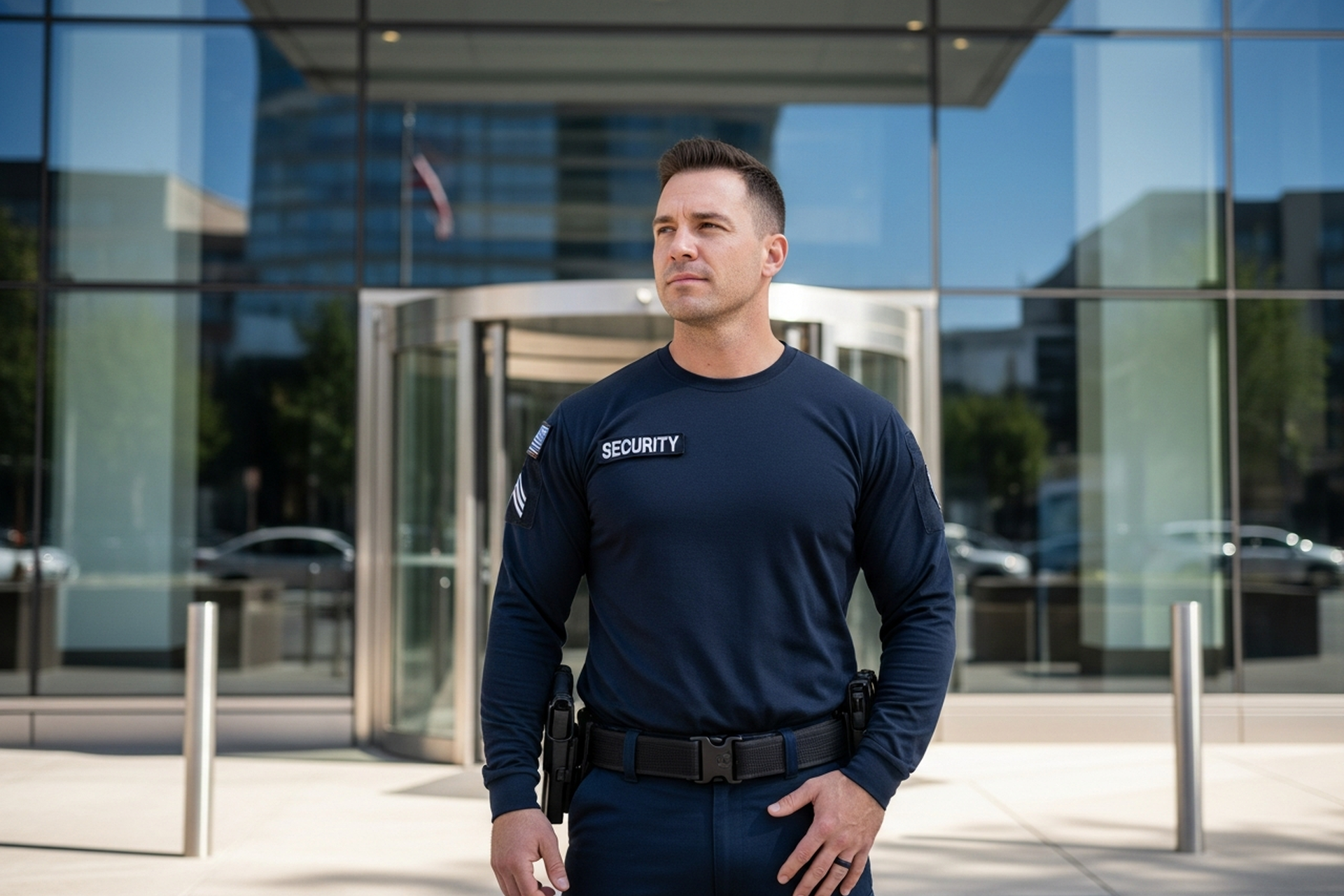
Uniformed armed guards provide visible deterrence and clear identification. Plainclothes officers work better for surveillance or situations where a visible security presence is undesirable. Most facilities benefit from uniformed personnel.
What happens if an armed guard discharges their weapon?
Reputable companies have detailed post-incident protocols including immediate notification, scene preservation, law enforcement coordination, and administrative review. The company should also provide support for mandatory incident reporting, legal counsel coordination, and employee wellness follow-up after firearm discharge events.
Choosing Your Armed Security Partner
Selecting an armed security company requires evaluating licensing, training, personnel quality, technology, reputation, and customization capability. Each factor contributes to overall effectiveness and risk mitigation. The time invested in thorough vetting prevents costly mistakes and establishes a security partnership that protects your organization for years.
For businesses seeking armed security services with verified credentials and professional standards, Cascadia Global Security offers operations with locally managed teams across the United States. Their approach combines trained personnel with centralized oversight to deliver tailored protection for your specific requirements.