When to Hire Private Security for Your Business
Josh Harris | February 17, 2026
A single break-in can cost a retail store $8,000 to $20,000 or more when you factor in stolen merchandise, property damage, and lost business during recovery, according to the National Retail Federation’s 2025 security survey. For businesses handling cash, high-value goods, or operating in challenging locations, the question isn't whether security incidents will happen, but when. Knowing when to hire private security for your business separates proactive owners from those constantly reacting to preventable losses.
The decision to bring in professional security personnel often comes down to a tipping point: recurring theft, an employee safety incident, or a close call that makes the risks suddenly feel real. But waiting for that moment means absorbing preventable losses. Smart business owners recognize the warning signs early and act before incidents escalate. This guide breaks down the situations that warrant professional security, helping you determine whether your operation has reached that threshold and which type of protection is appropriate for your circumstances.
Assessing Your Business Risk and
Vulnerabilities
Every business faces some level of security risk, but the nature and severity vary dramatically based on location, industry, and operational factors. A thorough risk assessment examines your specific exposure points rather than relying on generic assumptions about what businesses "like yours" typically need.
High-Crime Locations and Neighborhood Safety
Crime statistics tell only part of the story. A business in a statistically "safe" area can still face significant risk if it sits near a highway exit, shares a parking lot with a troubled property, or operates during hours when foot traffic disappears. Pull local police reports for your specific address, not just your zip code. Talk to neighboring businesses about their experiences.
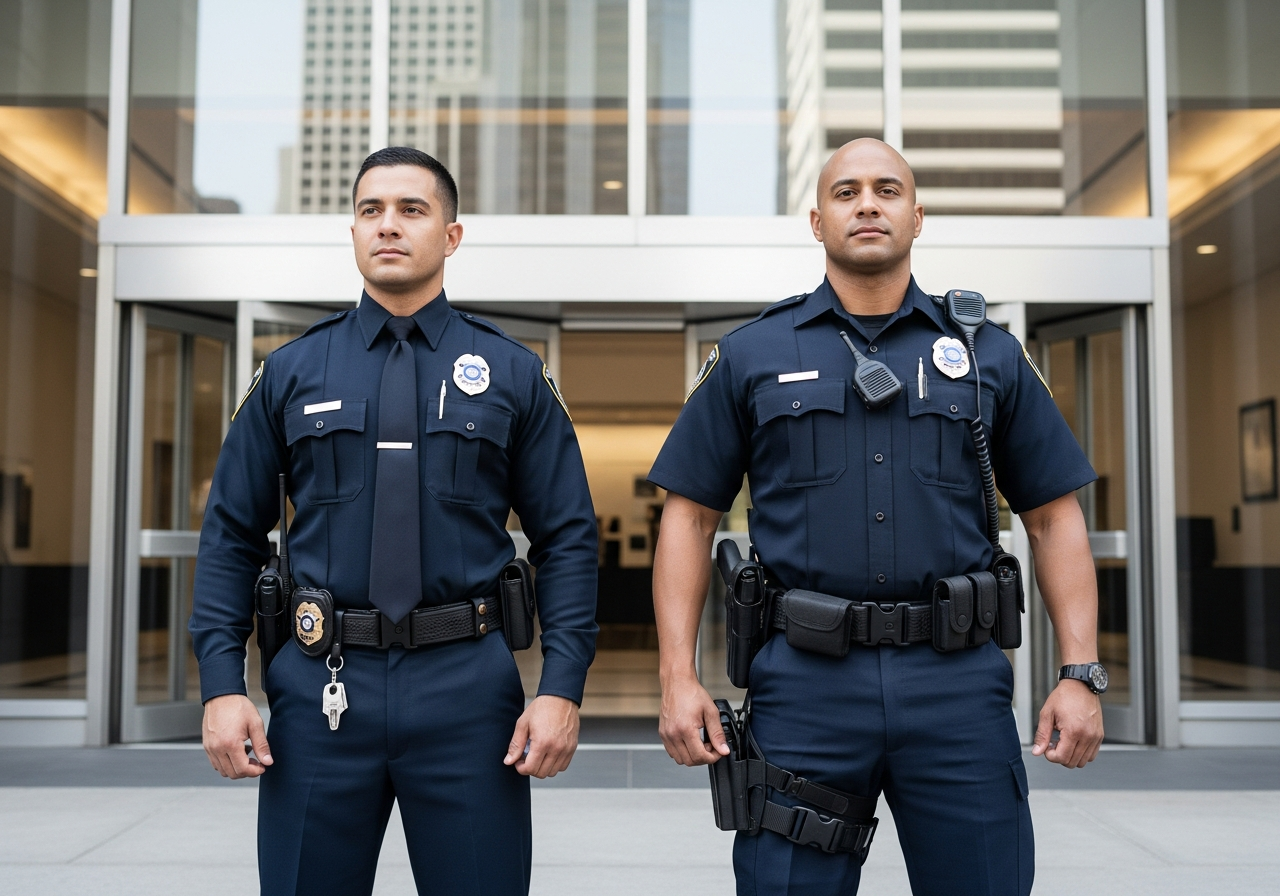
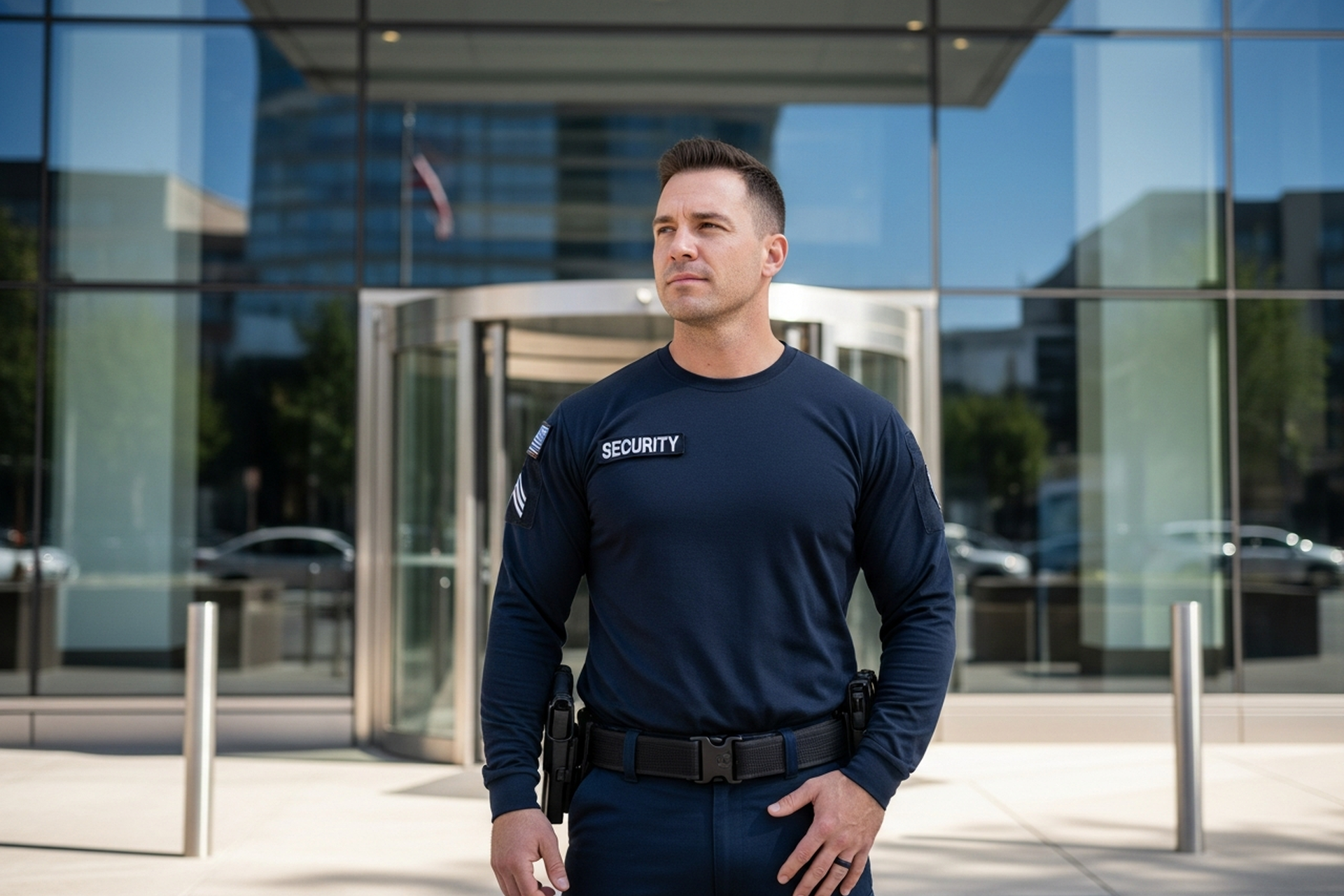
Visible security presence deters opportunistic crime. Research consistently shows that properties with uniform guards experience fewer incidents than unprotected neighbors. If your location is in an area with elevated property crime, frequent vandalism, or a history of violent incidents, professional security becomes essential.
Handling High-Value Inventory or Cash Transactions
Businesses dealing in electronics, jewelry, pharmaceuticals, or significant cash become natural targets. Criminals case these operations, learning shift patterns, delivery schedules, and security gaps. The presence of high-value assets fundamentally changes your risk profile.
Cash-intensive businesses face particular vulnerability during opening and closing procedures, bank deposit runs, and armored car exchanges. Cascadia Global Security regularly works with retail and commercial clients to establish secure protocols for these high-risk moments, providing trained personnel who understand proper cash-handling security.
Operational Triggers for Professional Security
Beyond baseline risk factors, specific operational situations create temporary or recurring security needs that internal staff cannot adequately address.
Managing Large Crowds and Special Events
Grand openings, sales events, and seasonal rushes bring welcome revenue but also pose crowd-management challenges. When customer volume exceeds your staff's ability to monitor the floor effectively, theft increases and safety incidents become more likely. A single customer injury at a crowded event can generate liability claims that far exceed the cost of preventive security measures.
Event security requires different skills from daily retail operations. Trained security personnel understand crowd flow, de-escalation techniques, and emergency response protocols. They position themselves at strategic points, identify potential problems before they escalate, and maintain order without creating a hostile atmosphere.
Protecting Staff During Late-Night Shifts
Employees working overnight or early-morning shifts face an elevated risk, particularly in retail, hospitality, and healthcare settings. Convenience stores, gas stations, and 24-hour pharmacies experience disproportionate robbery rates during low-traffic hours when fewer witnesses are present.
Your duty of care to employees extends beyond providing a paycheck. Workers' compensation claims, potential lawsuits, and the reputational damage from a workplace violence incident create substantial liability exposure. Night shift security protects both your people and your business interests.
Mitigating Liability and Enhancing Brand Reputation
Security decisions impact more than loss prevention. They affect your insurance costs, legal exposure, and how customers perceive your business.
Reducing Insurance Premiums and Legal Risks
Insurance carriers assess risk when setting premiums. Businesses with documented security measures, including professional guard services, often qualify for reduced rates on property, liability, and workers' compensation coverage. The premium savings can offset a meaningful portion of security costs.
From a legal perspective, demonstrating reasonable security measures provides crucial protection in the event of an incident on your property. Courts evaluate whether businesses took appropriate precautions given known risks. Having professional security in place demonstrates that you acted responsibly, which may limit liability exposure.
Improving Customer Perception of Safety
Customers notice security presence, and their reactions vary by context. A uniformed guard at a jewelry store signals that valuable merchandise deserves protection. Security personnel at a parking garage reassure visitors that management prioritizes their safety. The key is matching security visibility to customer expectations.
Retail locations in urban areas often find that professional security presence actually increases customer comfort and dwell time. Shoppers feel safer browsing when they see attentive personnel monitoring the environment. This perception translates into longer visits and higher average transactions.
Responding to Specific Security Threats
Sometimes the decision to hire security comes in response to specific, identifiable threats rather than general risk factors.
Dealing with Persistent Shoplifting or Vandalism
Organized retail crime has grown more sophisticated and aggressive. Professional theft rings target specific merchandise categories, using distraction techniques and overwhelming store staff with numbers.
When shrinkage rates rise despite internal loss-prevention efforts, external security becomes necessary.
Vandalism and property damage often follow patterns. If your business experiences repeated incidents, particularly those suggesting targeted harassment rather than random mischief, security personnel provide both deterrence and documentation. Their presence often ends recurring problems entirely.
Addressing Workplace Violence or Domestic Disputes
Workplace violence rarely emerges without warning. Employees dealing with domestic situations, terminated workers making threats, or customers displaying escalating aggressive behavior all represent potential flash points. These situations require trained professionals who understand threat assessment and de-escalation.
Cascadia Global Security provides personnel experienced in handling volatile situations, including off-duty and former law enforcement officers who bring enhanced authority and training to high-risk scenarios. When specific threat information exists, professional security isn't optional.
Choosing Between Armed and Unarmed Personnel
The decision between armed and unarmed depends on your specific risk profile, industry norms, and operational environment.
Unarmed security works well for access control, monitoring, customer service-oriented roles, and general deterrence. These personnel handle the vast majority of security functions effectively: checking credentials, patrolling facilities, responding to disturbances, and documenting incidents. Most businesses find unarmed guards meet their needs entirely.
Armed security is appropriate when genuine threats of violence exist, when protecting extremely high-value assets, or when operating in environments where armed response capability is necessary for deterrence. Financial institutions, pharmaceutical facilities, and businesses that have received credible threats often require armed personnel.
The liability considerations differ significantly. Armed security requires more rigorous vetting, training, and insurance coverage. Work with
Cascadia Global Security that maintains proper licensing, insurance, and training standards for both armed and unarmed personnel.
Evaluating the Cost-Benefit of Private Security Services
Security spending should be evaluated like any other business investment: what does it cost, and what return does it generate?
Start by quantifying your current losses. Include documented theft, property damage, insurance claims, and employee turnover related to safety concerns. Add the soft costs: management time spent dealing with incidents, customer complaints about safety, and the productivity impact of employee anxiety.
Compare these costs against professional security pricing. Guard services typically run $30–$60 per hour, depending on your location, required training levels, and whether you need armed personnel. A single prevented theft or avoided liability claim often justifies months of security coverage.
Consider the operational benefits beyond loss prevention. Security personnel can handle access control, visitor management, emergency response coordination, and after-hours monitoring. These functions free your staff to focus on core business activities rather than security concerns.

Frequently Asked Questions
How much does private security cost for a small business?
Small business security typically ranges from $25–$50 per hour for unarmed guards, with armed personnel costing $40–$75 per hour, depending on location and requirements. Many businesses start with part-time coverage during high-risk hours rather than 24/7 protection.
Can private security guards detain shoplifters?
Security guards can detain suspected shoplifters under "shopkeeper's privilege" laws in most states, but specific rules vary by jurisdiction. Trained security personnel understand the legal boundaries and proper procedures for detention without creating liability exposure.
What's the difference between security guards and off-duty police
officers?
Off-duty police officers generally retain limited law-enforcement authority only within their jurisdiction and can make arrests when acting under that authority, whereas security guards operate under civilian authority and have more limited powers. Off-duty officers typically cost more but provide enhanced capabilities for high-risk situations.
How quickly can I obtain security coverage for an emergency?
Cascadia Global Security maintains personnel ready for rapid deployment. Emergency coverage can often be arranged within 12–24 hours, though ongoing contracts allow for better matching of personnel to your specific needs.
Do I need armed or unarmed security for my retail store?
Most retail environments are well-suited to unarmed security. Armed guards become appropriate when you handle extremely high-value merchandise, have received specific threats, or operate in areas with elevated violent crime rates.
Making Your Security Decision
The right time to hire private security is before you need it urgently. Reactive decisions made after an incident often cost more and provide less effective protection than proactive planning. Evaluate your risk factors honestly, calculate the true cost of your current losses, and consider how professional security fits your operational needs.
For businesses ready to explore their options, Cascadia Global Security offers professional guard services and off-duty law enforcement personnel tailored to specific industry requirements. As a veteran-owned firm with locally managed teams, they bring both operational expertise and genuine commitment to client safety.
Learn more about how professional security services can protect your business, employees, and customers.