Auto Dealership Security on the Dallas Auto Mile Corridor
Josh Harris | May 22, 2026
A new pickup is worth more than most homes on the block, and it sits outside under a light pole all night with a wheel pointed at the street. That is the operating reality for every store on Central Expressway, and it is why auto dealership security in Dallas looks different from the model used at a strip center down the road. The Dallas Auto Mile, the dealership corridor running up North Central Expressway through Richardson and into the Plano area, concentrates more rolling inventory in a few square miles than almost any other stretch of Dallas-Fort Worth commercial property.
This article is for the dealer principal, GM, or fixed-ops director defending a five-acre lot and a parts room when the building locks at 8 p.m. and the next employee does not show for another eleven hours.
Why auto dealership security in Dallas is a different problem
A dealership is four sites stacked on top of each other on different clocks. The showroom is glass on three sides and built to draw walk-in traffic. The front and back lines of the lot hold seven and eight figures of mobile inventory parked outside, often unfenced, often visible from the road.
The service drive and shop hold customer vehicles, loaners, and a parts room full of components that can be unbolted and resold. And the key cabinet, usually in the sales tower or a back office, contains the keys to every one of those vehicles.
A typical retail store closes its doors at night, and the assets stay inside. A dealership closes its doors, and most of the assets stay outside. That single fact drives almost every decision about how to protect the property.
A few other features make the dealership profile distinct:
- High-value, high-mobility inventory that can be driven away in under a minute
- A predictable closing time that any observer can clock from across the street
- A service drive that has to stay accessible enough for after-hours drop-off
- Customer-facing operations during the day that cannot feel like a courthouse
- Parts and accessories with active resale markets, including catalytic converters
The overnight reality on the Auto Mile
Most dealership losses happen in the window between the last manager leaving and the first porter arriving. That window is usually nine to eleven hours, and on weekends it can stretch past sixty.
Lot drive-offs are the marquee event. Someone breaches the building or the key safe, grabs a fob, and a truck or SUV is gone before any alarm has been investigated. Even without keys, modern relay attacks and OBD programming tools have made keyless theft more practical for organized crews than it used to be.
Catalytic converter theft is the steady drip. Pickups and certain SUV models sit higher off the ground and take seconds to cut, and a crew working a back row can hit ten vehicles before anyone driving past notices. Texas elevated catalytic converter theft and related sales activity to felony status during the 87th Legislature in 2021, but the resale economics still draw repeat offenders to high-density lots.
Parts and tool theft round out the picture. Wheels, tailgates, infotainment screens, and shop tools all have markets, and a break-in to the parts cage can disrupt service operations the next morning.
Vandalism and trespassing are not the largest dollar items, but they are the most common, and each one generates the kind of customer complaint that hurts a store's standing.
What Texas law gives dealers to work with
Catalytic converters are the cleanest example of state law working in a dealer's favor. Texas treats catalytic converter theft and the unauthorized purchase or sale of used converters as felonies and requires metal recyclers to keep records of sellers. That framework gives investigators a paper trail when a converter is recovered, but it does not stop the cut, which still takes under a minute in the lot. The physical deterrent has to come from the property.
A layered model for the lot
No single layer protects a dealership. The stores that lose the least run four or five overlapping layers.
Perimeter and lighting come first: cable runs at the front row, bollards at the corners drivers could use as a pinch point to push a vehicle out, full LED lot lighting, and signage that makes it clear the property is monitored. The goal is to make the lot a less attractive target than the store down the road.
Camera coverage is the second layer, and it has changed the most in the last few years. A modern dealership system covers every row, the service drive, the parts entrance, and the key cabinet, with analytics that flag after-hours activity in the lot. License plate readers at entry and exit catch the plates of vehicles cruising the property repeatedly.
Live patrol is the third layer. Cameras tell you something is happening, and a patrol officer makes it stop. Cascadia's mobile patrols handle this for stores that do not need a body on site every hour. Randomized visits through the night, lot walks, door checks, and a documented patrol log give the GM something to hand the insurance carrier and give would-be thieves a reason to choose a different lot.
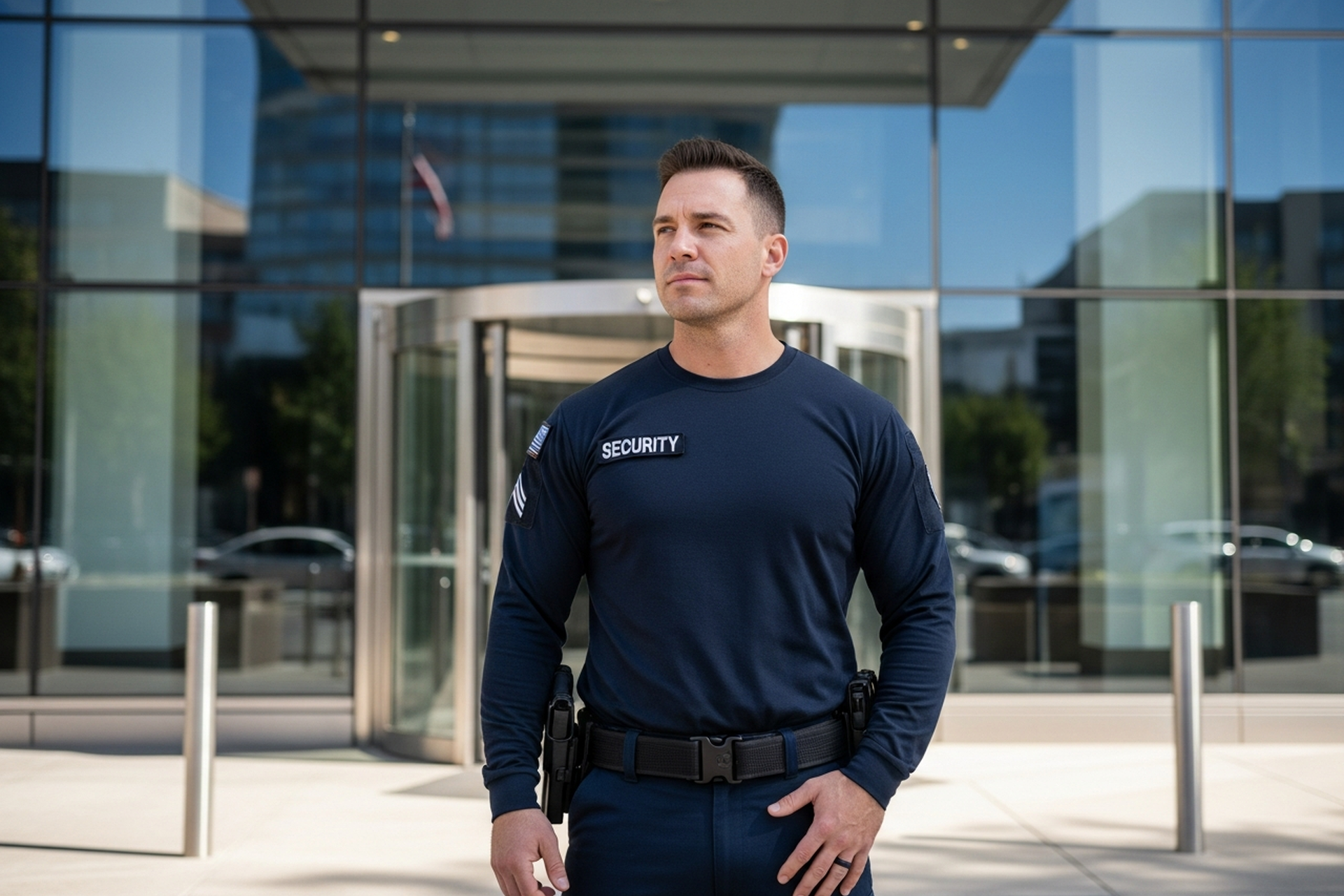
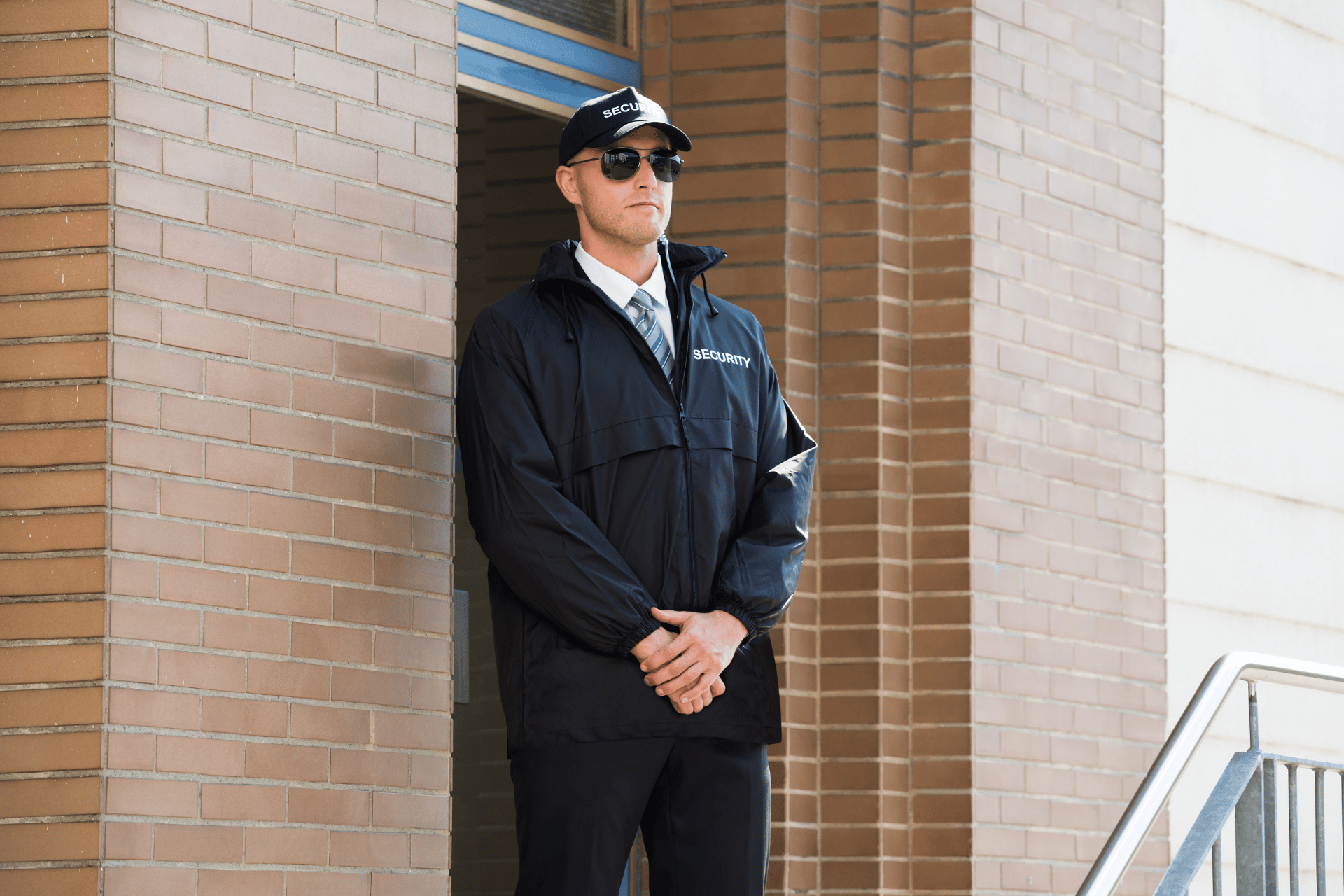
A static post is the fourth layer for stores with sufficient inventory exposure to justify it. A uniformed officer on site for the full overnight window, combined with unarmed guards for general deterrence, covers what a roving patrol cannot.
Key control inside the building is the fifth layer and the one most often overlooked. Electronic key cabinets that log every drawer, restricted-access sales offices, and an end-of-day key reconciliation stop a category of internal and break-in losses outright.
Daytime is a different problem
Showroom hours flip the threat model. The lot is full of staff and customers, and risk shifts from theft of unattended inventory to incidents inside an active retail environment. Test-drive risk lives in its own category, and identity verification, copy-of-license practices, and a written test-drive policy are the front line. Those are dealer operations decisions more than security decisions.
Where security shows up during business hours is presence. A daytime officer at a busy front-line dealership functions like an officer in a retail security context, visible at the entry, helpful to customers, and positioned to de-escalate the rare incident that wanders in off Central. Most stores do not need an armed officer for this role. When the store does need elevated capability, armed guards or off-duty law enforcement cover the bar for high-value vehicle delivery, cash handling, or known threats.
Coordinating with Dallas PD
A stolen vehicle from a dealership lot is a police case before it is anything else. The dealerships that recover inventory fastest feed the responding officer good information in the first ten minutes: cameras with retrievable footage at the time stamp of the theft, license plate reader hits at the entry, a known point of contact on site overnight, and a written stolen vehicle protocol the porter can execute at 6:30 a.m. without waiting for the GM.
A dealership lot with LPR coverage at the entries can flag a repeat visitor days before a theft happens and give investigators a plate to run after one occurs. On the Auto Mile, most of the larger stores already have it.
Texas DPS licensing baseline
Any officer working in a Dallas dealership lot must be licensed through the Texas Department of Public Safety Private Security program. Level II is the non-commissioned unarmed license, which requires six hours of board-approved training. Level III is the commissioned armed license, which requires forty-five hours of training and is the only category permitted to carry on post.
The full standards and the company license requirements for the firm employing the officer are published by the Texas DPS. When a dealer evaluates a provider , the first question is whether the firm and every assigned officer hold current credentials at the level the post requires.
The Texas Automobile Dealers Association tracks legislative and operational issues that affect Texas franchised dealers, including security-adjacent topics such as floor-plan financing, title fraud, and dealer license enforcement.
What this means for your Dallas Auto Mile store
The dealerships on Central Expressway that lose the least are not the ones with the most expensive single piece of technology. They are the ones running a layered program that matches the property: a physical perimeter, cameras with analytics, mobile or static overnight patrols, tight key control inside the building, and a documented response plan when something does happen.
The next step is a property walk with a security provider who understands the dealership model specifically, not a generic parking facilities program. Ask what the patrol log looks like, how the firm handles alarm-to-officer dispatch, and how response times compare to what the Dallas PD can offer for a non-violent property alarm.
Frequently Asked Questions
Should a Dallas dealership use armed or unarmed officers?
Most dealerships are well served by Level II unarmed officers for routine overnight and daytime presence. Armed posts make sense in narrower scenarios: high-value vehicle delivery windows, known credible threats, cash-heavy F&I operations, or properties with a history of confrontational incidents. A good provider will recommend the lower posture when it fits.
Mobile patrol or dedicated guard for the overnight window?
It depends on inventory density and incident history. A single-rooftop store with moderate front-line exposure is often well covered by randomized mobile patrol visits, sometimes paired with remote camera monitoring. A multi-line megastore or a property with active loss history usually justifies a dedicated officer on site for the full overnight window.
How is dealership security priced?
Pricing depends on hours, posture, site complexity, and contract length. Most providers quote an hourly rate per officer, with mobile patrol billed per visit or per route. A site walk is the only way to get a meaningful number.
What can a dealership do about catalytic converter theft?
Layered controls work better than any single fix. Lot lighting, camera coverage on back rows where pickups and high-clearance SUVs are parked, active patrol presence during the overnight window, and aftermarket converter etching or cages on the highest-risk units all reduce exposure.
How fast should alarm response be?
For a non-violent property alarm on a dealership lot, a security provider with a local patrol footprint should dispatch an officer within minutes and have eyes on the property well before Dallas PD would arrive for a low-priority alarm call.
Working with Cascadia
Cascadia Global Security runs licensed officer programs across Dallas-Fort Worth, including dedicated and mobile patrol coverage for franchised and independent dealerships on the Auto Mile. Every officer is Texas DPS licensed at the appropriate level, every post is documented, and every property is walked before a program is proposed. To talk through what a layered program looks like for your store, get a quote or call (800) 939-1549.