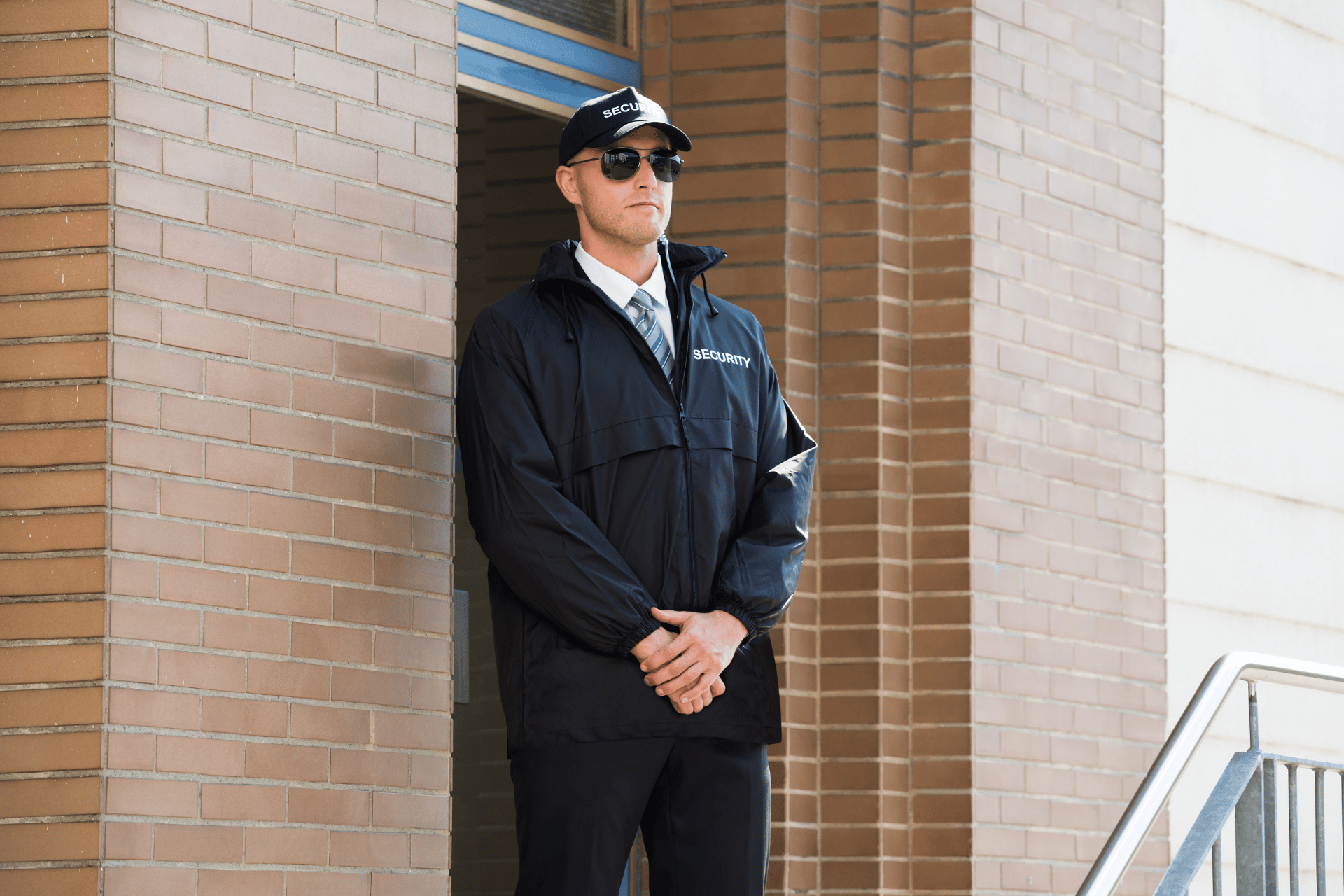
DFW Corporate Campus Security: Protecting Office Complexes
Josh Harris | May 22, 2026
DFW corporate campus security is a different problem than securing a single office tower. A campus is multiple buildings, multiple tenants, shared garages, common-area walkways, and a pool of executives whose risk profile rises with visibility. The Metroplex now hosts more than 20 Fortune 500 headquarters, and the campuses housing them, from Las Colinas to Legacy West to the Plano corridor, share a security challenge that scales differently than the buildings inside them.
This piece is for property managers, asset managers, and corporate facilities leads running multi-building DFW campuses. It covers what makes campus security distinct, the layers a credible program needs, the service mix that fits, and how to evaluate providers.
Why DFW Corporate Campuses Have a Distinct Security Profile
A campus is not a building. It is a small district. The perimeter is wider, the asset is more expensive, the tenant population is more diverse, and the people moving across it at any given hour belong to a dozen different companies with different access policies, vendor relationships, and after-hours norms.
Several traits make the DFW campus environment demanding:
- Multi-tenant towers stacked over shared garages. A single garage often serves three or four buildings, so access control must distinguish between tenants of different towers without creating bottlenecks at peak hours.
- Outdoor common areas and connector paths. Williams Square in Las Colinas, the lawns at Legacy West, the walkable mix at Granite Park, and the layout at Cypress Waters all create open exterior space that belongs to no single tenant.
- After-hours coverage gaps. Tenant hours run 24/7 in some industries and 7 to 6 in others. A campus program has to bridge that without leaving long windows where a building is occupied but unwatched.
- Executive and visitor exposure. Campuses hosting C-suite offices, earnings events, or board meetings carry an executive risk overlay that single-tenant offices typically don't.
- Suburban response times. Outer Plano, Frisco, and Coppell have longer law enforcement response windows than downtown Dallas, raising the value of trained on-site personnel.
A single guard at a single lobby is not a campus program. A campus program is layered.
The Layered Campus Security Model
Effective campus security separates the property into concentric zones and assigns each zone the right coverage tool. The four layers most DFW corporate campuses need are perimeter, lobby, common areas, and parking.
Campus perimeter. The outer ring covers vehicle entrances, loading zones, walkways between buildings, and plaza space. Perimeter coverage is typically a mix of cameras and mobile patrols running documented routes that hit each building, garage entrance, and back-of-house area on a defined cadence.
Tower lobby. Each building lobby gets its own staffed reception point during occupied hours. The officer there is the primary filter for visitors, vendors, and walk-ins. Visitor management at this layer is where the campus's tenant-experience reputation is made.
Multi-floor common areas. Amenity floors, conference centers, fitness facilities, food halls, and shared terraces sit in a gray zone where multiple companies have access but no tenant owns the space. These areas need access policies, camera coverage, and either a roving officer or a defined response route.
Parking garage and surface lots. Parking is the most consistently problematic zone on DFW corporate campuses. Auto burglary, catalytic converter theft, and personal-safety incidents during evening departure concentrate in garages. A layered garage program combines IES-standard lighting, cameras on driving lanes and elevator lobbies, access control on entrances, and visible personnel during high-traffic windows.
The point of layering is redundancy. If a credential goes bad at the garage, the lobby officer catches the entry. No single failure should give a bad actor unobstructed run of the campus.
The Right Service Mix
Campuses need a coordinated mix sized to the building stack, tenant profile, and risk overlay.
- Unarmed officers at lobbies. Unarmed officers handle most tenant-facing posts. The professional, client-service presence aligns with what Class A tenants want their guests to see, and lobby work depends more on soft skills than on tactical capabilities.
- Armed officers at tier-one entrances when warranted. Campuses hosting executives with documented threat profiles, a bank branch tenant on the property, or a building with an incident history that justifies elevated posture may benefit from armed officers. Armed posts should be based on a written risk assessment, not a default upgrade.
- Mobile patrol for the campus perimeter. Patrol is where campuses get the most coverage per dollar. A vehicle running documented routes across buildings, garages, and walkways provides visible deterrence throughout the footprint without the cost of a stationed post at every corner.
- Off-duty law enforcement for elevated-risk events. Annual meetings, executive arrivals, and large tenant moves can benefit from off-duty law enforcement in addition to the standing program. Sworn officers carry authority, and radio interoperability with local agencies that contract guards do not.
- Specialized posture for medical or financial tenants. A medical office tenant or a ground-floor bank branch has compliance and customer-interaction requirements that influence nearby posts. The program should treat those needs as inputs, not afterthoughts.
The mix should be defined in the security plan and reviewed annually.
Tenant Communication and Multi-Tenant Governance
A campus security program serves a building owner but operates inside a tenant environment. Tenants notice everything, and a misstep at a single lobby can become a leasing-cycle problem.
Three structures separate well-run campus programs from the rest:
- A tenant security handbook. Every tenant receives the same baseline document covering after-hours access, visitor pre-registration, contractor onboarding, lost-credential procedures, and incident reporting.
- Recurring tenant security committee. Larger campuses run a quarterly committee where each tenant raises concerns, reviews incidents, and weighs in on program changes. The same governance pattern HOA-style multi-tenant towers use, scaled to a campus footprint.
- A single point of contact at the provider. Tenants escalating an issue need to call a named person, not a generic dispatch line. The account manager structure determines whether friction gets resolved or compounds.
Texas DPS Licensing Baseline
Every officer working a DFW corporate campus must hold the appropriate Texas Department of Public Safety license. The Texas DPS Private Security Bureau administers commissioning, and the baseline standards are:
- Level II (unarmed officer): 6 hours of mandatory training before commissioning.
- Level III (armed officer): 45 hours of training, including firearms qualification, plus annual requalification.
- Background and fingerprint clearance: required for all licensed personnel.
Training depth matters more than the licensing minimum. Strong campus providers offer additional training in visitor management, executive interactions, emergency response, and the property's specific access control system. Any provider treating the baseline as a ceiling is the wrong partner for a corporate campus.
What Separates Good Corporate Campus Providers
Most security companies can staff a single building. Far fewer can run a multi-building campus program with the consistency a Class A property demands. The traits that actually predict campus performance:
- Account management depth. A dedicated account manager who knows the property, the tenant roster, and the incident history. Not a rotating dispatcher.
- Tenant interface skills. Officers who can de-escalate a frustrated tenant, handle a vendor dispute, and represent the property's brand without coaching.
- After-hours response capability. Documented response times for alarms and tenant calls outside business hours, with mobile patrol and supervisor escalation in the loop.
- Reporting infrastructure. Digital incident reporting that lands in the property manager's inbox the same shift, not paper logs reviewed weekly.
- Bench depth and consistent staffing. Tenants notice when the same officers staff the same posts. Provider turnover is the most common complaint in tenant-satisfaction surveys.
Industry resources from IFMA, the global professional association for facility management, treat security as an integrated facility function rather than a standalone vendor relationship. Campus security is most effective when it is wired into building operations, not parked off to one side.
What This Means for Your DFW Corporate Campus
A corporate campus security program is a tenant-retention asset, an executive-protection floor, and an asset-management decision rolled into one. The campuses that hold tenants in Dallas-Fort Worth are the ones where the program is visible, professional, and consistently executed across every building and shift.
The work is to define the layers, size the service mix to the risk and footprint, document the tenant communication process, and pick a provider with the operational depth to execute it. Multi-tenant garages and shared common areas demand specific attention, since parking facility coverage is where most campus gaps surface first. Get the structure right, and the program runs in the background. Get it wrong, and it shows up in renewals.
Frequently Asked Questions
How much does corporate campus security cost in DFW?
Cost depends on building count, post count, coverage hours, and whether armed posts or off-duty law enforcement are in the plan. Unarmed officer rates for DFW corporate property typically fall in the $18 to $26 per hour range, with armed and off-duty priced higher. Campus programs are scoped per site after a walkthrough.
Is single-tower pricing different from multi-building campus pricing?
Yes. Single-tower programs price post-by-post against one lobby and one garage. Campus programs add perimeter mobile patrol, multiple lobbies, common-area coverage, and a coordinated supervisor structure. Total cost is higher, but the per-post rate often improves through consolidation when one provider covers the whole campus.
Does corporate campus security overlap with executive protection?
It can, but they are different services. The standing campus program protects the property, tenants, and visitor environment. Executive protection is personal close protection for a specific individual, coordinated with the campus program but staffed separately. Campuses hosting executives with elevated threat profiles typically run both.
What coverage hours are typical for a DFW corporate campus?
Campus lobbies are typically staffed during occupied hours, with a transition to mobile patrol and reduced post coverage overnight. Properties with significant after-hours tenant presence or on-property executives often run continuous lobby coverage on at least one tier-one building.
How should I evaluate a campus security provider?
Ask for the account manager structure, the supervisor-to-officer ratio, the training program above the Texas DPS baseline, the digital reporting system, and references from other multi-building DFW properties. The strongest signal is consistency: are the same officers on the same posts week to week, and do property managers describe the program as low-maintenance?
Secure Your DFW Corporate Campus
Cascadia Global Security is a veteran-owned firm providing corporate and commercial security programs for office complexes across Dallas-Fort Worth, including Las Colinas, Legacy West, Granite Park, Cypress Waters, and the Plano and Frisco corridors.
Every client receives a dedicated account manager, digital reporting on every shift, and a program designed around the campus's specific building stack, tenant mix, and risk profile. Call Cascadia at (800) 939-1549 or visit Get a Quote to schedule a campus walkthrough.