Emergency Security Coverage for Chicago Businesses (Fast Response)
Josh Harris | May 30, 2026
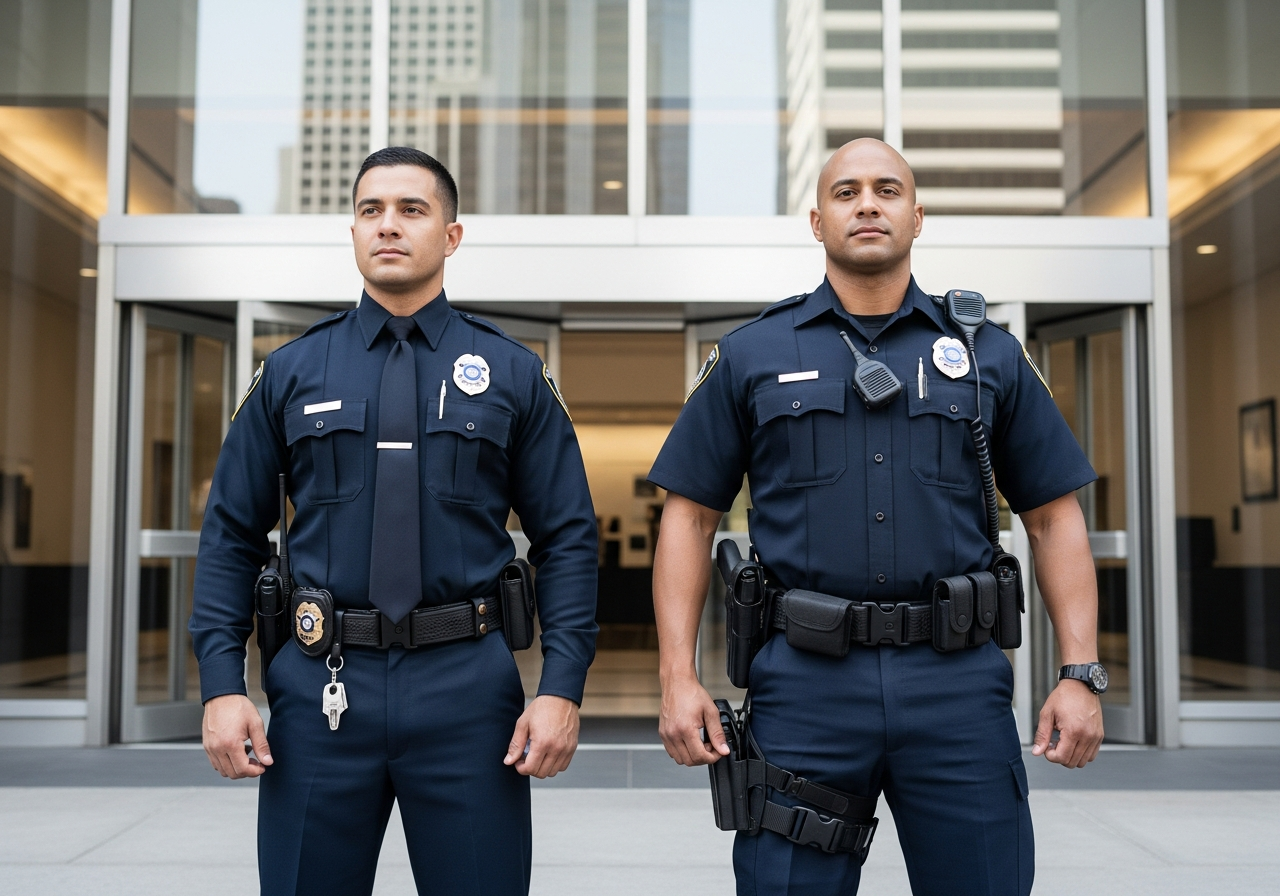
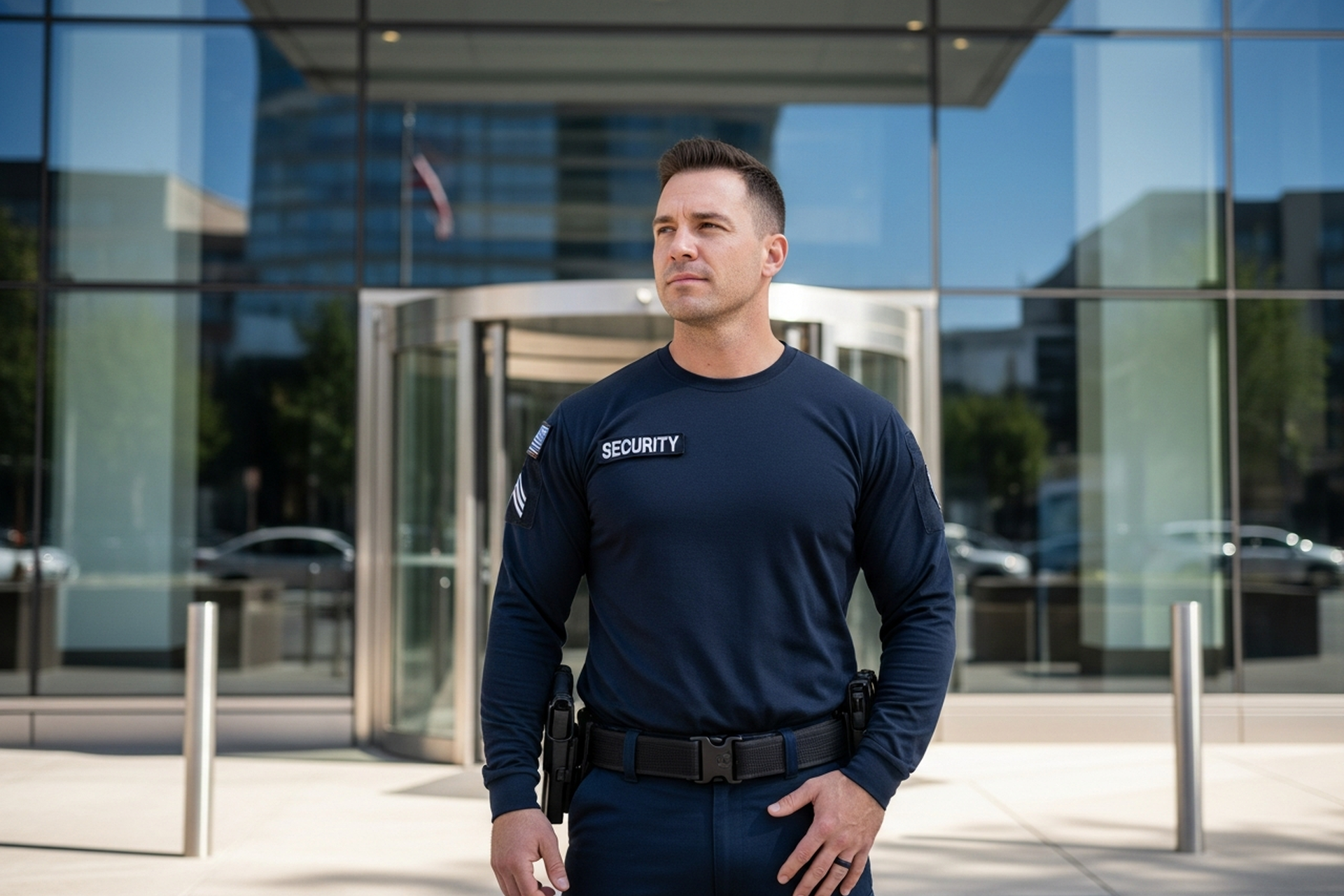
When something goes wrong at your property or business, you do not have days to vet a security vendor and wait for a contract to clear legal. You need someone on-site today. Emergency security coverage in Chicago means a credentialed, licensed officer standing post at your building while glass is being replaced, while insurance adjusters are finishing their walk-through, or while your team is deciding next steps after a threatening situation. Call Cascadia Global Security at (800) 939-1549 at any hour, and a dispatcher will confirm availability and begin deployment.
This article covers the most common scenarios that trigger same-day security requests, how the dispatch process works, what to have ready when you call, and what Illinois licensing requirements apply to the officers who respond.
Common Emergency Scenarios That Require Fast Security Coverage
Not every security need comes with advance notice. The situations below represent the most frequent triggers for same-day or next-morning guard requests from businesses across Chicagoland.
Break-In and Smash-And-Grab Recovery
A break-in often leaves a business with a damaged door, broken glass, or a compromised access point that cannot be repaired overnight. The property is unsecured, the inventory is exposed, and the staff is not in a position to stand watch. A uniformed officer on-site deters secondary incidents while contractors complete repairs, insurance representatives document damage, and management coordinates a response. Coverage typically runs from the point of initial contact through the next business day, or until the property is secured.
Fire, Flood, and Storm Damage
When a sprinkler fails, a water main breaks, or storm damage opens a portion of your building, two immediate needs arise. The first is property watch: keeping unauthorized individuals away from an unsecured structure while restoration crews begin mitigation. The second, in cases where fire suppression systems are offline or impaired, is fire watch.
Illinois and Chicago fire codes require a dedicated fire watch when a fire alarm or sprinkler system is out of service for more than four hours in a building that would otherwise require that system. A fire watch officer cannot be assigned other duties during the watch. This is a statutory requirement with real liability consequences for property owners who do not comply. If your system has gone offline unexpectedly, a fire watch deployment from Cascadia can be initiated the same day.
Civil Unrest and Neighborhood Incidents
When civil unrest, a nearby crime scene, or sustained civil disorder creates elevated risk for a specific block or commercial corridor, businesses that normally operate without a security presence often need visible coverage within hours. A uniformed officer at the entrance signals to staff, customers, and the surrounding area that the property is staffed and monitored. Mobile patrol upgrades are an option when a single stationary post does not cover the full perimeter.
Termination Meetings with Credible Threat
When a termination involves an employee who has made threats, displayed erratic behavior, or is known to have access to weapons, HR and legal counsel often recommend having a security officer present during the meeting itself and on-site for the hours that follow. In the highest-risk situations, an off-duty law enforcement officer provides a visible deterrent with full law enforcement authority. These engagements are scheduled on short notice and require a specific briefing before the meeting begins.
Eviction Standoffs and Tenant Disputes
Commercial evictions can escalate quickly, particularly when a tenant refuses to vacate or when there is a history of confrontational interactions. A uniformed officer present during the process, whether the eviction itself or the subsequent lockout, provides a lawful deterrent to escalation and a witness to events on the ground. Off-duty officers are appropriate when prior interactions suggest a higher risk of physical confrontation.
Vandalism Waves and Overnight Exposure
A single vandalism incident often precedes repeated incidents at the same location. When a business experiences graffiti, broken windows, or equipment tampering across multiple nights, an overnight security presence is the most direct deterrent. Coverage can begin the first night after a report is filed, before a permanent service agreement is finalized.
Post-Incident Stabilization
After a workplace violence incident, a serious theft, or any event that disrupts normal operations, employees returning to the facility often need to see a security presence before they feel safe returning to work. A uniformed officer during the days immediately following an incident supports the return-to-work process, provides a visible deterrent against further incidents, and documents any follow-on activity during the investigation period. Unarmed guards are appropriate for most post-incident stabilization needs; armed security is appropriate when the threat profile warrants it.
Sprinkler and Fire Alarm Systems Offline
Beyond storm and water damage, systems go offline during renovation work, power outages, and equipment failures. Each of these triggers the same fire code requirement: when a required fire protection system is impaired, a fire watch is mandatory. The Illinois Emergency Management Agency and Office of Homeland Security (IEMA-OHS) coordinates statewide emergency preparedness frameworks that underpin local fire code compliance requirements, and the Chicago Fire Department enforces watch requirements within city limits. Cascadia can provide a licensed, dedicated fire watch officer with documentation of hours and observations for your property file and insurance record.
Sudden VIP or Executive Visits
When a high-profile executive, public figure, or investor group visits a facility without the standard advance notice needed to arrange executive protection, same-day coverage is often the only option. Cascadia's regional supervisor network and officer pool allow for faster matching of an officer with appropriate experience to the situation. These are typically short-duration engagements that transition to close protection if the visit extends.
How Fast Is "Emergency" Security Coverage?
Industry norms for emergency deployment vary by officer type and market. For unarmed guards, a four-to-eight-hour response window is realistic for most vendors in a major metro market. For off-duty law enforcement and armed guards, some situations can be staffed in two to four hours, depending on availability and scheduling.
Cascadia operates through a regional supervisor model, with supervisors stationed across the Chicagoland area who can confirm officer availability, conduct pre-deployment briefings, and coordinate site arrivals faster than a remote dispatch center can. A 24/7 dispatch line is the non-negotiable prerequisite for emergency coverage. Many security vendors do not operate a staffed 24/7 line. Cascadia does. Call (800) 939-1549 at any hour.
What to Have Ready When You Call
The faster your dispatcher can confirm the specifics, the faster an officer can be assigned. Have the following ready before you call:
- Property address and access details (gate codes, entry point, key contacts on-site)
- Shift coverage needed (start time, end time, overnight, or open-ended)
- Armed or unarmed (informed by threat level, venue type, and any legal or insurance requirements)
- A brief description of what triggered the request (incident type, any known threat profile)
- Primary point of contact for the responding officer
- Billing contact and purchase order readiness, or the name of the decision-maker who can authorize
Documentation begins at first contact. Cascadia assigns an incident reference number on the initial call, and verbal post orders are confirmed in writing before the officer arrives.
How the Deployment Process Works
An emergency deployment at Cascadia follows a defined sequence, whether the call comes in at 9 a.m. on a Tuesday or 2 a.m. on a Sunday.
First, the call reaches a live dispatcher who collects the information above. Dispatch confirms officer availability within the regional pool and begins matching. For situations requiring a PERC card (Private Eye, Private Alarm, Private Security Contractor) or Firearm Control Card (FCC) for armed assignments, credential verification is completed before assignment. For off-duty law enforcement engagements, an officer is contacted based on shift availability and jurisdiction fit.
Second, verbal post orders are communicated to the assigned officer before arrival. These cover the site layout, the trigger event, access procedures, escalation contacts, and any specific instructions from the client.
Third, the officer arrives, confirms the post with the on-site contact, and begins documented coverage. A Cascadia supervisor conducts an in-person site visit within 24 hours of deployment. For extended or open-ended coverage, written post orders are finalized within the first shift.
Existing Cascadia clients have access to a dedicated account manager and a direct regional supervisor line, which further shortens the confirmation window.
Licensing and Insurance for Emergency Deployments
Property managers, lenders, and insurance carriers often require proof of licensing and insurance before a vendor can post officers at a property, even in a declared emergency. Cascadia can provide an Illinois agency license certificate and insurance certificate within hours of engagement. Requests for certificates of insurance, additional-insured endorsements, and licensing documentation are handled through the account management team and can be processed while an officer is already on-site.
Officer credentials in Illinois include the PERC card, issued by the Illinois Department of Financial and Professional Regulation, for both unarmed and armed private security personnel. Armed officers also hold a Firearm Control Card. Off-duty law enforcement officers remain credentialed through their law enforcement agency and are not subject to PERC requirements.
Ready.gov, the federal business preparedness program operated by FEMA and DHS, recommends that businesses identify and pre-qualify vendors for emergency services before an incident occurs, precisely because the credentialing and contracting steps take time, businesses do not have during an active incident. Pre-qualifying Cascadia now, before an emergency occurs, means those steps are already complete when you need to call.
Frequently Asked Questions
How quickly can Cascadia deploy an officer in Chicago?
For unarmed coverage, response windows of four to eight hours are standard. Armed officers and off-duty law enforcement may be available faster in some situations. Exact timing depends on officer availability at the time of the call and the complexity of the post. Calling (800) 939-1549 immediately gives dispatch the maximum time to confirm availability.
Do fire watch officers have different qualifications than regular guards?
Yes. A fire watch officer must be dedicated solely to the watch during each shift. Illinois and Chicago fire codes do not permit a fire watch officer to perform other security duties or leave the designated patrol area without a relief officer in place. Cascadia's fire watch officers are briefed on observation protocols, documentation requirements, and escalation procedures specific to fire watch assignments.
What happens if I need coverage extended beyond the initial shift?
Coverage can be extended on a shift-by-shift basis or converted to a short-term recurring arrangement. For situations where the initial trigger resolves quickly (repairs are complete, the threat is de-escalated), a single shift may be sufficient. For longer-term needs such as extended construction, ongoing investigations, or persistent exposure, Cascadia can convert the engagement to a scheduled standing post. A supervisor will discuss options during the first 24 hours.
Can Cascadia provide off-duty police officers on the same day?
In many cases, yes. Availability depends on officer schedules, jurisdiction fit, and the specific needs of the engagement. Off-duty law enforcement requests should specify whether the officer needs to be uniformed or in plain clothes, whether the situation may require law enforcement authority, and any relevant background on the incident or threat. Call (800) 939-1549, and the dispatcher will confirm availability based on the current officer pool.
What should I have ready to receive a certificate of insurance on short notice?
Provide the full legal name of the certificate holder (your company or the property owner, as required by the lender or landlord), the address of the property, and any specific additional-insured language required by your carrier. Cascadia's account management team processes certificate requests during business hours and can coordinate with the insurance carrier for after-hours emergency situations.
Moving from Emergency Coverage to Ongoing Protection
Many businesses that begin with an emergency request discover a longer-term need during that first deployment. A post-break-in coverage conversation often surfaces gaps in after-hours visibility, access control, or patrol frequency that the break-in itself exposed. Cascadia uses the supervisor's 24-hour site visit to assess whether a recurring program would address those gaps.
There is no obligation to convert an emergency engagement to a standing service agreement. But if the conversation makes sense, Cascadia can transition a temporary post to a recurring scheduled program with the same officer pool and supervisor structure already familiar with the site.
If your business is facing an immediate security need in the Chicago area, contact Cascadia Global Security at (800) 939-1549 or request a quote online. Dispatchers are available around the clock, documentation begins at first contact, and a supervisor can be on-site within 24 hours.