High-Rise Apartment Security in Downtown Seattle: What Residents Expect
Josh Harris | June 4, 2026
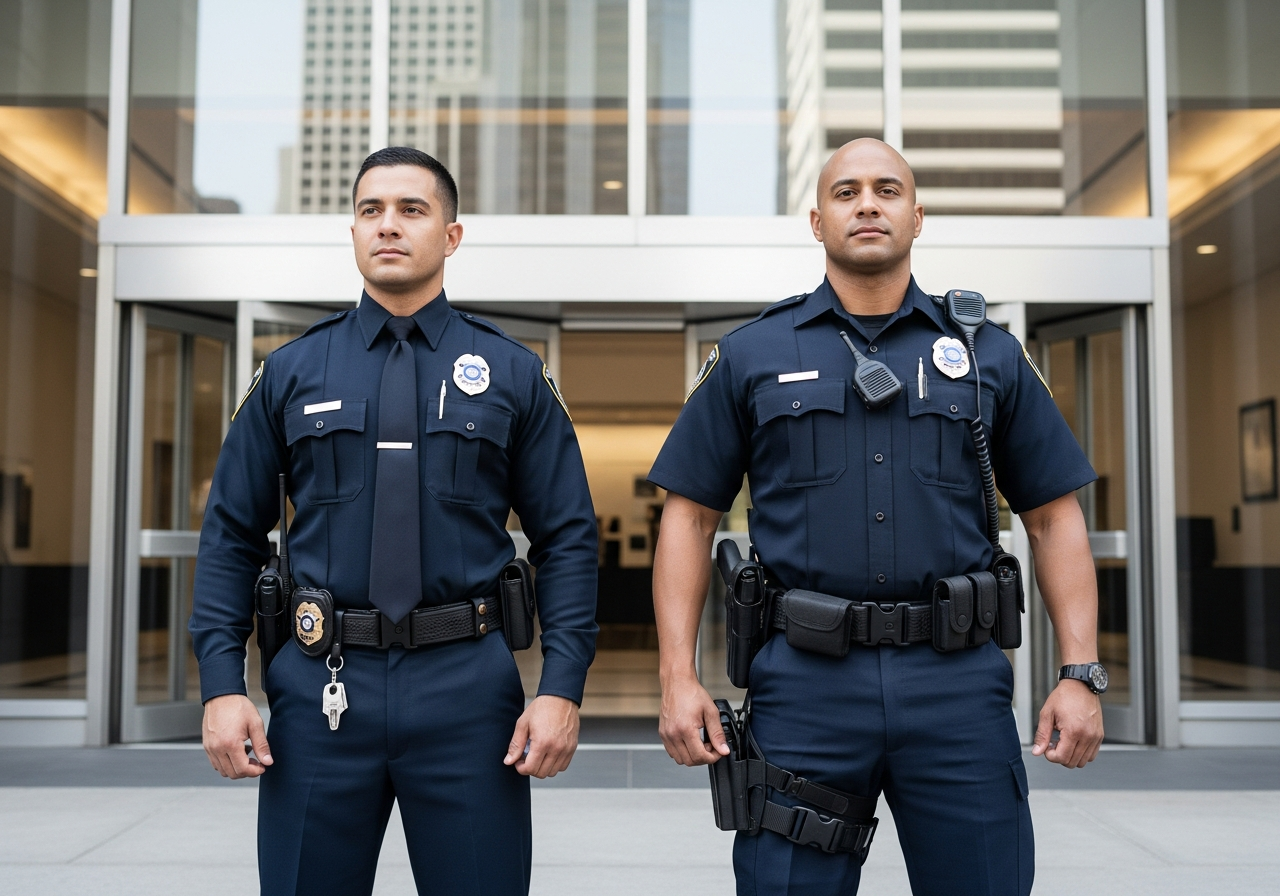
When residents sign a lease at a downtown Seattle high-rise, they're committing to a specific living experience. Part of that experience is security, and in competitive towers from Belltown to South Lake Union to First Hill, residents have clear expectations: a controlled lobby, a visible officer at the desk, and reliable access systems that keep unauthorized visitors out. Delivering on that expectation requires more than a single camera at the front door. High-rise apartment security in Seattle operates across multiple access layers, multiple shifts, and a building profile that demands both hospitality skills and security judgment.
Why downtown Seattle high-rises have a distinct security profile
High-rise residential buildings in downtown Seattle present a security environment that differs substantially from garden-style or mid-rise apartment communities. Several factors converge:
Vertical density concentrates residents, visitors, delivery personnel, and service vendors into a single access point. A Belltown tower with 200 to 400 units may see 500 or more entry and exit events on a typical weekday. Managing that volume while maintaining controlled access requires trained officers, not just a key-fob reader and a camera.
Mixed-use footprints introduce additional complexity. Buildings in South Lake Union, Denny Triangle, and Capitol Hill often place retail tenants, restaurants, or co-working spaces on lower floors. Those spaces draw their own foot traffic, which must be managed separately from the residential population. A ground-floor restaurant operating until midnight creates a very different access challenge than a building with a single residential lobby.
Package management and delivery traffic
Package volume has become one of the most operationally demanding security challenges in any urban high-rise. Residents living and working downtown place a high volume of e-commerce orders. Without a properly staffed and organized package intake system, lobbies become staging areas for theft, and officer time is consumed by delivery triage rather than access control.
Finally, the Urban Land Institute has documented the continued intensification of mixed-use high-rise development in Pacific Northwest urban cores. As Seattle's residential tower inventory grows and units turn over, buildings that can demonstrate a professional security program have a measurable retention and leasing advantage over those that rely on technology alone.
What residents reasonably expect
Property managers and developers sometimes frame security in terms of systems: cameras, fobs, intercoms, elevator dispatch. Residents frame it in terms of presence and experience. The two framings are not the same, and understanding the gap between them is what separates buildings with security complaints from buildings without.
Residents in downtown Seattle high-rises consistently expect:
- A staffed front desk or lobby during all hours when the building entrance is active. For most towers, this means 24/7 coverage.
- An officer who recognizes regular residents and can identify unusual visitors.
- A controlled entry process for guests, where visitors are announced or verified before access is granted.
- A package intake system that prevents packages from sitting unattended in common areas.
- Parking garage coverage that deters vehicle break-ins and unauthorized access from the garage into the residential elevator cores.
- Visible perimeter presence overnight, which in many buildings is supplemented by mobile patrol passes when interior staffing levels drop.
These expectations are not aspirational. In Class A towers in South Lake Union, First Hill, and Belltown, they reflect the market standard residents are paying for. Buildings that fall short see it in reviews, retention rates, and lease-up velocity.
Concierge security versus traditional guard service
One of the most common questions property managers encounter when evaluating providers is how a concierge security officer differs from a standard security guard. In high-rise residential settings, the difference is meaningful.
A traditional security guard post is typically focused on deterrence and response. The officer monitors access, responds to incidents, and documents observations. Interaction with residents and visitors is present but secondary to the security function.
The concierge security model
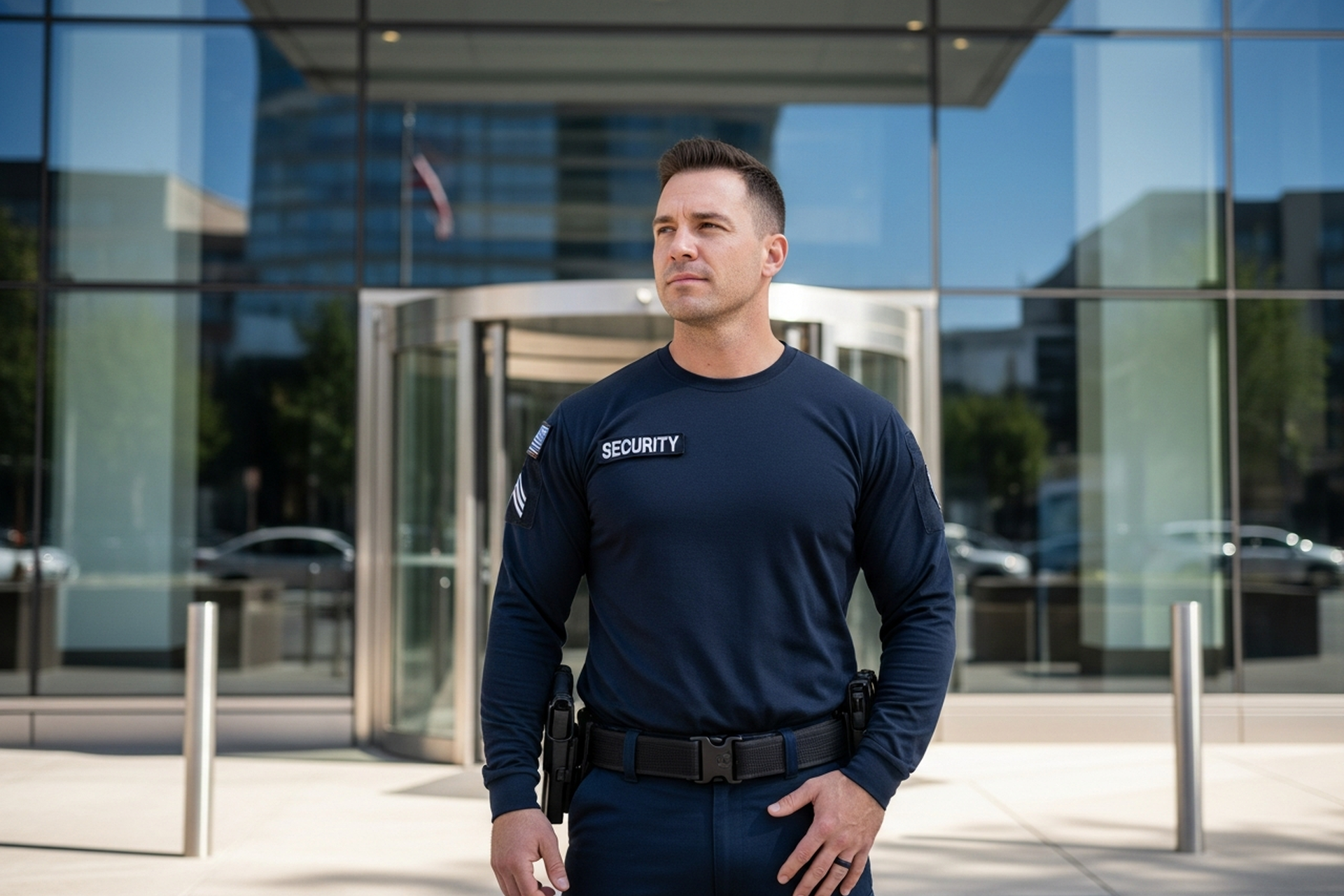
A concierge security officer in a luxury residential high-rise performs both functions simultaneously. The interaction with residents is the access control mechanism. When a concierge officer greets every person who approaches the lobby desk, asks who they are visiting, verifies against a resident-approved visitor list, and announces the guest before granting access, that hospitality workflow is also a layered security protocol.
The friendliness is intentional. An officer who makes residents feel welcomed and visitors feel observed is doing exactly what the building needs.
How Cascadia approaches the concierge security role
Cascadia Global Security deploys unarmed security professionals trained for exactly this dual role in residential high-rises. Officers observe, deter, and document. They do not enforce lease terms, conduct lockouts, or perform property-management functions. Their role is to maintain access control, support emergency procedures, and provide a consistent professional presence.
Access control layers in a high-rise residential building
A properly designed high-rise security program does not rely on a single point of control. The strongest programs layer access restrictions across the building's vertical footprint.
Lobby and vestibule control
The lobby level represents the primary control point. A staffed concierge desk combined with controlled-access vestibule doors (where the outer door requires a credential or intercom contact before the inner door releases) creates a two-stage entry screen. This design means that even if a resident holds the outer door for an unknown person, that person must still interact with the concierge before proceeding.
Elevator dispatch control
Elevator access adds a second layer. In buildings with elevator destination dispatch systems, residents use a key FOB or mobile credential to call a cab to their floor. Visitors who are not credentialed cannot select residential floors without officer authorization. This prevents the common scenario where a person who bypasses lobby supervision can then ride to any floor in the building.
Parking garage and perimeter
Parking garage access is a third, often underestimated layer. Garage entry points frequently have lighter credential enforcement than the main lobby, and vehicle traffic makes human verification more difficult. The parking garage is also where a disproportionate share of property crimes occur in urban high-rises. Consistent camera coverage, adequate lighting, and periodic mobile patrol passes of the garage and perimeter address this vulnerability without requiring a dedicated garage post for every shift.
Stairwell and secondary exit management rounds out the access picture. Emergency exits that have been propped open to ease movement become uncontrolled ingress points. Regular stairwell checks by the lobby officer and automated door alarms (where installed) keep secondary access points honest.
After-hours and parking garage coverage
After-hours security in a downtown Seattle high-rise typically involves reduced interior staffing paired with supplemental patrol. A single overnight officer covering a lobby cannot simultaneously monitor a parking structure, patrol common areas on multiple floors, and respond to resident calls. Buildings that attempt to rely on a single overnight post without patrol support often find that coverage gaps lead to incidents that damage resident confidence.
A pragmatic approach pairs a stationary concierge officer in the lobby with scheduled mobile patrol passes of the garage, exterior perimeter, and amenity floors. The patrol element can be provided as part of a broader mobile patrol services contract that serves multiple buildings in a corridor, reducing cost while maintaining visible presence at regular intervals throughout the night.
For buildings that see elevated overnight activity, whether from a ground-floor restaurant, proximity to a transit hub, or location in a neighborhood with higher ambient foot traffic, a two-officer overnight team is often the right answer. One officer holds the desk; the other makes rounds.
Emergency preparedness and security's role in high-rise life safety
High-rise residential buildings carry specific life safety obligations that do not apply to low-rise properties. Under NFPA 101, the Life Safety Code, high-rise buildings (generally defined as those with occupied floors more than 75 feet above grade) must meet requirements for automatic sprinkler systems, emergency voice/alarm communication, and fire department access provisions.
Security officers in high-rises serve a direct role in emergency response, but it is important to define that role clearly.
Security's role during an alarm event
Officers do not make fire suppression decisions. They support the fire alarm response protocol. When an alarm sounds, the officer's job is to coordinate with building engineering, communicate with residents on affected floors via the intercom system, and maintain lobby control so that emergency responders have clear access and unauthorized persons do not enter the building during the incident.
Elevator recall protocols require coordination between the building's fire alarm control panel, the elevator equipment room, and the lobby officer station. In a genuine fire event, elevators recall to the ground floor and are taken out of passenger service. Officers must understand this process and be able to direct residents to use the appropriate stairwells.
Vertical evacuation planning
Vertical evacuation in a high-rise is not like a fire drill at a single-story retail store. Residents on upper floors may need to shelter in place depending on the floor and zone of origin. Officers need to be trained on the specific building's evacuation plan and able to communicate it accurately to residents who are panicking. This training is a deliverable, not an assumption, when selecting a security provider.
Choosing a provider with high-rise residential experience
Not every security firm has the operational depth to staff a downtown residential tower well. Property managers evaluating providers should ask direct questions:
- Do your officers receive building-type-specific orientation before their first shift, covering the emergency evacuation plan, elevator dispatch protocols, and the resident communication system?
- How do you handle shift transitions so that the incoming officer has current information about resident concerns, package volume, and any incidents from the prior shift?
- What is your supervision model for overnight posts? Is there a field supervisor who checks in, and how often?
- How do you approach training for the dual concierge-and-security role, where officers need both hospitality instincts and the judgment to identify and respond to a genuine access threat?
Multifamily housing security is a specialized service category within the broader security landscape in Seattle. The building's property management team should expect a provider to answer these questions with specificity, not generalities.
Working with Cascadia Global Security
Cascadia Global Security works with downtown Seattle apartment buildings and mixed-use towers to build security programs that match the operational demands of the building. Whether a property needs full-time concierge officers, overnight patrol coverage, or a hybrid program that pairs a stationary post with mobile response, Cascadia provides unarmed security professionals with the residential high-rise training to deliver a consistent experience.
If you're a property manager or developer evaluating security for a Seattle high-rise, contact Cascadia to discuss the specific needs of your building. Get a quote or call (800) 939-1549.
Frequently Asked Questions
What does a concierge security officer do in a high-rise apartment building?
A concierge security officer manages lobby access, verifies and announces guests, monitors building entry points, and coordinates with residents and property management on security-related concerns. In a residential high-rise, this role combines the access-control function of a traditional security guard with the guest-facing presence of a front-desk attendant. Officers observe, deter, and document rather than enforce lease terms or perform property-management functions.
How many security officers does a downtown Seattle high-rise typically need?
The right staffing level depends on building size, occupancy, hours of operation for ground-floor retail or amenities, and the level of foot traffic the building experiences. Most full-service towers in downtown Seattle maintain at least one officer per shift at the lobby desk, with additional overnight patrol coverage. Larger buildings or those with mixed commercial uses often require two officers during peak hours to manage concurrent lobby and patrol responsibilities.
What access control systems work best in a high-rise residential building?
A layered approach performs best. The most effective configurations combine a staffed concierge desk with a controlled-access vestibule, key FOB or mobile-credential elevator dispatch, parking garage gate controls with camera coverage, and audible door alarms on stairwell emergency exits. Technology and staffing are complementary. Systems reduce the demand on officers, but a staffed desk remains the most reliable deterrent because it creates a human interaction that automated systems cannot replicate.
What is security's role during a fire alarm in a Seattle high-rise apartment?
Security officers support the fire alarm response protocol. They contact building engineering, communicate with residents via the building intercom system, maintain lobby control for emergency responder access, and direct residents to appropriate stairwells based on the floor and zone of origin. Officers do not make suppression decisions. Their role is coordination and communication. Before deployment, officers should receive orientation on the specific building's evacuation plan and elevator recall procedures.
How does mobile patrol support a high-rise residential security program?
Mobile patrol supplements stationary lobby coverage by providing periodic passes of parking garages, exterior perimeters, and common areas that a single lobby officer cannot monitor continuously. Mobile patrols are particularly effective overnight, when interior staffing may be reduced, and in parking structures where vehicle break-ins are a recurring risk. Patrol passes at irregular intervals create an unpredictable visible presence that deters opportunistic crime without requiring a dedicated post at every location.