Hospitality and Event Security Services in Chicago
Josh Harris | May 8, 2026
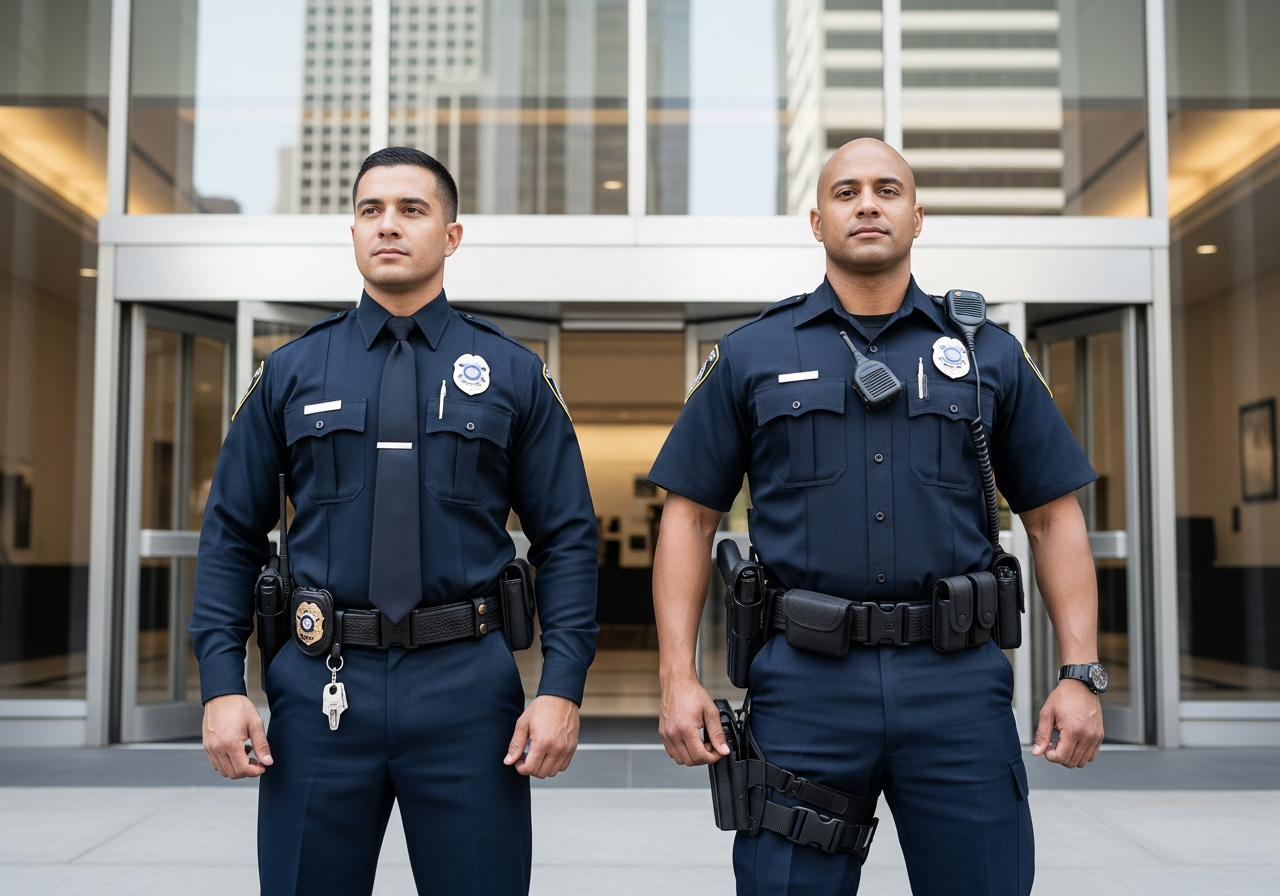
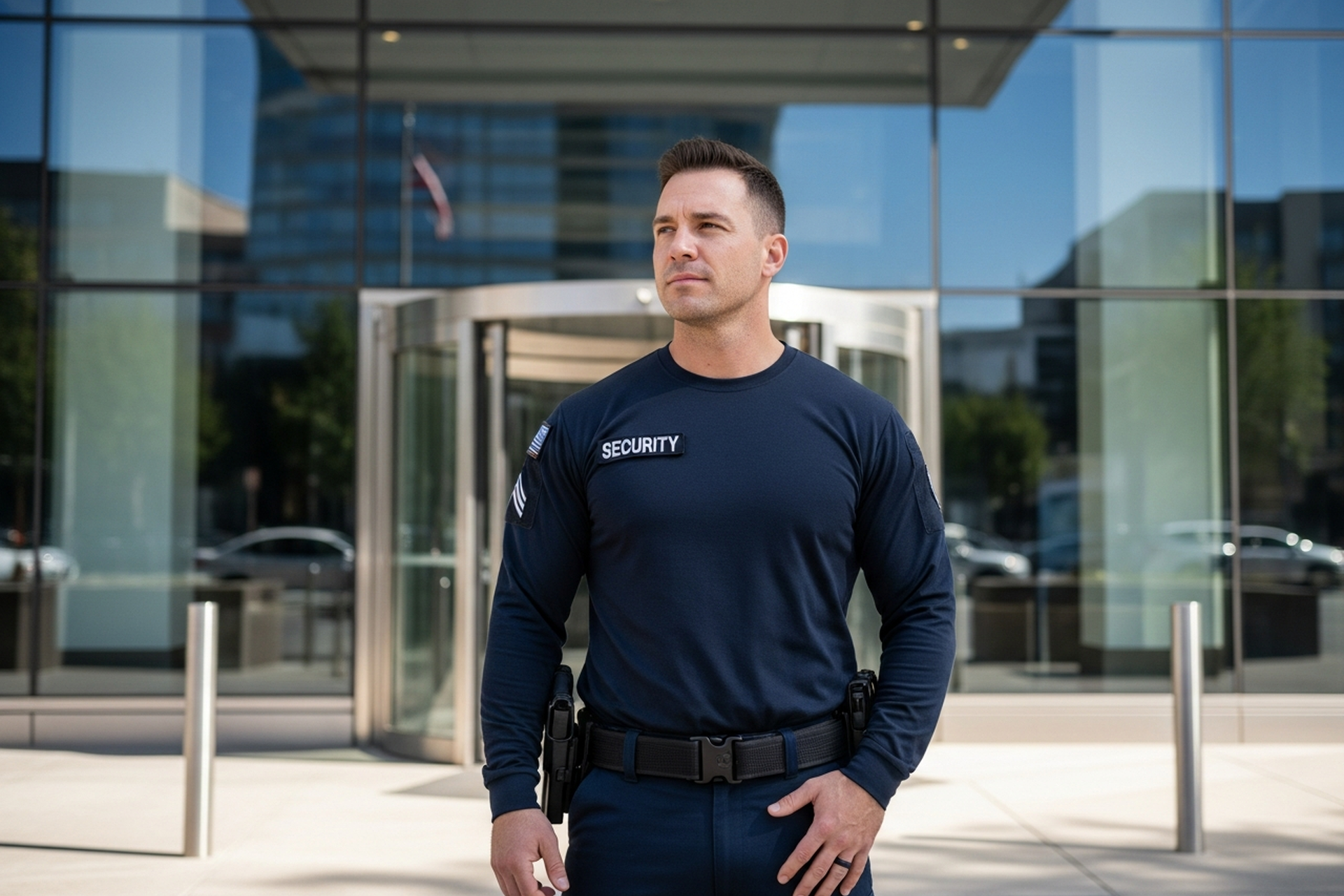
A Saturday in October in Chicago can mean a 60,000-seat NFL crowd at Soldier Field, a 25,000-attendee medical conference filling McCormick Place, three booked ballrooms along the Magnificent Mile, and a sold-out concert at the United Center. Hospitality event security in Chicago has to absorb all of it without becoming the story. The visible work is access control, crowd flow, and a uniform presence that guests trust. The invisible work is the planning that keeps a packed lobby, a credentialed back-of-house, and a public sidewalk operating as one coordinated environment.
This guide covers what professional hospitality and event security looks like in Chicago, how hotels and venues build long-term programs rather than scrambling event by event, and how off-duty Chicago Police Department resources fit alongside licensed private security under Illinois rules.
Why Chicago's Event Landscape Demands Professional Security at Scale
Few cities concentrate this much hospitality and event activity within a single footprint. Chicago hosts five major-league franchises across four venues, an annual roster of festivals on the lakefront, and the largest convention center in North America.
- McCormick Place carries roughly 2.6 million square feet of exhibit space across four interconnected buildings, hosting trade shows that move tens of thousands of attendees per day.
- Soldier Field seats around 61,500 for Bears NFL games, with concerts and international soccer pushing through the same gates.
- Wrigley Field holds approximately 41,600 for Cubs MLB games, with surrounding Wrigleyville bars and rooftop venues operating as their own hospitality cluster on game days.
- Rate Field (formerly Guaranteed Rate Field) hosts White Sox MLB crowds on the South Side.
- United Center seats around 20,900 for Bulls NBA games and 19,700 for Blackhawks NHL games, with concerts pushing past 23,000.
Layer in Lollapalooza in Grant Park, Navy Pier programming, Wintrust Arena, the Mag Mile hotel cluster, and weddings across the West Loop and River North, and a typical summer weekend has thousands of trained security hours moving in parallel.
A program built for this environment has to run access control that holds up under a credentialed crowd, integrate with venue command, coordinate with the Chicago Police Department where appropriate, and look the part of professional hospitality at the same time.
What Professional Event Security Covers
Event security is a layered system. The visible officer at the door is the last layer, not the first.
Access Control and Credentialing
Every meaningful event has tiers: ticketed attendees, working media, vendors, sponsors, performers or speakers, and a back-of-house staff list that grows in the final week. Credentialing turns those tiers into something an officer can verify in two seconds at a perimeter: matched wristbands or badges with anti-counterfeit features, separated entry lanes by tier, and a check-in process that holds up when 800 people arrive within twenty minutes. For corporate conferences and trade shows at McCormick Place or Wintrust Arena, unarmed guards typically run the credentialing posts, supervisor walk-throughs, and lobby coverage. The experience should feel like hospitality, not airport screening.
Crowd Management
Crowd management is where venue knowledge matters most. Where do bottlenecks form when a concert lets out? Which corridors handle ADA traffic? Where are the medical aid stations, and how does an officer route someone there without amplifying the situation? Veteran event teams build that knowledge across seasons and staff accordingly.
VIP and Executive Integration
Keynote speakers, athletes, talent, and political guests usually arrive with their own protective details or expectations. The local team's job is not to replace that detail. It is to integrate: dedicated arrival and departure routes, a quiet hold space, escorted transitions to the stage or ballroom, and clean handoffs at the property line. For higher-profile movements, armed guards or close-protection officers may be layered in based on threat assessment.
Off-Duty Law Enforcement
Some events warrant a uniformed police presence. High-attendance public events and elevated-threat conferences often coordinate off-duty law enforcement alongside licensed private security. Police carry full peace officer authority and serve as a visible deterrent. Private security handles credentialing, radio comms, and the long hours of routine coverage that police are not staffed to absorb.
Medical Awareness and Command Structure
Officers are not paramedics, but they are usually the first eyes on a guest in distress. A trained team knows how to clear a path for EMS, identify the nearest AED, and communicate cleanly with the venue's medical contractor. Holding it together is a unified command post: one supervisor, one radio channel, one event log, one shared map of post assignments. After the event, the log becomes the basis for the post-action review and the refinement of post orders for next time.
Hotel and Hospitality Security Beyond Events
Event work pulls headlines, but hotels carry security needs every day of the year. The Mag Mile, Loop, River North, Streeterville, and West Loop clusters each have their own rhythms.
A daily hotels and hospitality security program typically covers:
- Lobby and front-of-house presence that reads as concierge-adjacent rather than confrontational. Guests should feel attended to, not watched.
- Garage and parking coverage, especially with valet operations that touch a public sidewalk. Many hotels integrate parking facilities coverage into a single contract so guard tours and incident response stay coordinated.
- After-hours bar and ballroom support when wedding receptions or corporate parties run late. Officers handle ride coordination and the calm interventions that keep an evening from going sideways.
- Back-of-house access control so loading docks, kitchen entries, and employee corridors stay closed to unauthorized traffic.
- Incident documentation that produces a usable report, whether the situation is a guest dispute, a vehicle theft, or a trespass.
The right tone for hotel work is hospitality first, security second. Officers who can give directions to a restaurant, hold a door for an arriving guest, and quietly escalate a real problem are the ones hotels keep on contract for years.
Long-Term Partnerships vs. Single-Event Staffing
There is a meaningful difference between a venue that books a security vendor per event and one that runs a long-term partnership. Single-event staffing solves a calendar problem: a venue lists open posts, a vendor fills them, and the night runs. It works, but the institutional knowledge resets each time. Post orders get rebuilt from a template, and the supervisor on the radio may not have run that ballroom before.
Long-term partnerships compound. The same supervisors return. Post orders evolve based on what actually happened last quarter. Incident reports become a multi-year dataset that informs staffing levels and the next post placement. For corporate and commercial clients running quarterly conferences, monthly board events, and an active hotel block, that compounding separates a contractor from a partner. For one-off productions and festivals, temporary and emergency staffing fills the gap, and most established venue programs blend both.
Off-Duty CPD for High-Risk Events
Illinois law and Chicago Police Department policy allow CPD officers to work approved secondary employment in a uniformed capacity, subject to Department guidelines. The assignment process runs through the Department rather than directly with the officer.
For event organizers, the practical effect is this: when a coordinated plan calls for uniformed CPD presence (large public gatherings, elevated-threat events, late-night street-facing programming), the request routes through CPD's secondary employment process and is staffed alongside the venue's licensed private team. A capable security partner manages that coordination so the organizer is not navigating Department procedures from scratch.
Operationally, off-duty CPD officers and licensed private officers serve different functions and report through different command structures. Pre-event briefings, shared radio plans, and a documented chain of command keep both groups effective in the moment.
Coordination with Venue and Event Operations
A clean event security plan is built with the venue's general manager, the event producer, the AV and production teams, the food-and-beverage lead, and where applicable the city's public safety contacts. The pre-event meeting covers:
Threat assessment and crowd profile: who is attending, what the public visibility looks like, and what the headline risks are.
- Post plan and staffing levels: where officers stand, where they patrol, and how many on each shift.
- Credentialing tiers: who gets what, how it is verified, who has authority to make exceptions.
- VIP movement plan: arrivals, holds, transitions, departures.
- Medical and communications: AED and aid station placement, radio channels, escalation tree.
For multi-day conventions at McCormick Place or recurring sports seasons, this becomes a standing rhythm rather than a one-time exercise.
Illinois Licensing Baseline
Private security in Illinois is regulated by the Illinois Department of Financial and Professional Regulation , which administers the Private Detective, Private Alarm, Private Security, Fingerprint Vendor, and Locksmith Act. Individual officers operate under a Permanent Employee Registration Card (PERC), and licensed agencies carry their own agency license. Armed officers carry an additional firearm authorization with separate training requirements.
Industry-wide, organizations like the International Association of Venue Managers publish operational guidance for venue managers on event planning, crowd management, and emergency response, which informs how mature programs build their post orders and supervisor training.
When evaluating a security partner, the first questions are simple: confirm agency license, officer PERC status, armed authorizations where applicable, and insurance limits appropriate for the venue and event scale.
What This Means for Your Chicago Event Program
A hospitality event security program is built, not booked. The venues and operators who consistently run smooth events invest in long-term relationships with a licensed partner, post orders that are refined every quarter, supervisors who know the building, and a clear plan for when off-duty CPD comes into the picture. That investment shows up at the door, in the lobby, in the loading dock, and most importantly, in the quiet weekends where nothing happens because nothing was allowed to happen.
Frequently Asked Questions
How much does event security cost in Chicago?
Pricing depends on officer type (unarmed, armed, off-duty CPD), shift length, certifications, post count, and event risk profile. Hourly rates for licensed private officers are typically a fraction of off-duty CPD rates, so the right blend depends on what each post actually needs. Most reputable agencies will scope a walk-through before quoting.
Off-duty police vs. licensed private security: which do I need?
Both, in most cases. Off-duty CPD officers carry full peace-officer authority and are the right fit for high-visibility deterrent posts, late-night street-facing posts, and elevated-threat events. Licensed private officers handle the bulk of credentialing, lobby coverage, back-of-house access control, and long-shift work. A coordinated plan uses each where it is most effective.
What is the right officer-to-attendee ratio for a large event?
There is no single ratio. Industry guidance starts around one officer per 100 attendees for low-risk seated events and scales up significantly for general-admission, alcohol-served, public-access, or higher-threat programming. The right number comes out of a real threat assessment that factors crowd density, ingress and egress complexity, and the venue's permanent staffing.
When should I engage a security partner for an event?
For recurring venue programs, engage the partner before the season starts so post orders are written ahead of the first event. For one-off productions, plan four to eight weeks out for anything involving VIPs, public access, or a significant crowd size. Last-minute engagements work for straightforward coverage but leave less room for credentialing design and CPD coordination.
How does VIP protection integrate with venue security?
The VIP's protective detail owns close protection. The venue team owns the building, the perimeter, and the credentialed crowd. Integration happens at three points: the arrival route and hold space, the on-stage transition, and the departure. A pre-event meeting between the detail lead and the venue supervisor sorts out radio channels and hand-off points. Done well, the VIP never feels the seam between the two teams.
Plan Your Chicago Event Program with Cascadia
Cascadia Global Security supports hotels, convention venues, festival producers, and corporate event operators across Chicago with licensed officers, off-duty CPD coordination, and long-term venue partnerships built around the actual rhythm of your calendar.
Reach out for a quote or call (800) 939-1549 to scope coverage for your next event or hotel program.