How Dallas Retailers Fight Organized Retail Crime Rings
Josh Harris | June 9, 2026
Dallas organized retail crime is not the same as shoplifting, and the operators who keep treating it as such are losing the most money. A teenager walking out with a sweatshirt is shoplifting. Three vehicles, six adults working coordinated roles, and a fence buyer waiting twenty minutes away to convert merchandise into cash on the same afternoon is a ring. The response, the legal framework, and the evidence retailers need look almost nothing alike. This guide walks through what ORC actually is, the patterns Dallas retailers most often see, the Texas statute prosecutors use to charge it, and where security personnel fit.
What Organized Retail Crime Actually Is
ORC is theft committed by groups operating with a profit motive, a resale channel, and operational discipline. The defining feature is the back end: crews are not stealing for personal use. They are stealing inventory already priced into a fence network, an online resale channel, or an out-of-state buyer.
The mechanics involve at least three roles in coordination: spotters who scan the store, boosters who physically take merchandise, and drivers who move goods out. Larger operations layer in fencers who buy in bulk and resellers who liquidate goods through marketplaces, swap meets, or wholesale channels back into legitimate supply chains.
The merchandise mix is predictable. Common categories across DFW retailers include OTC pharmacy and beauty (allergy medication, designer fragrance, razors), baby formula, laundry detergent, designer apparel, electronics accessories, and high-margin grocery items like premium meats and energy drinks.
A shoplifter wants the item. A ring wants the inventory. The behavior, the staging, and the evidence trail all reflect that difference.
ORC Patterns Dallas Retailers See Most
Several pattern types repeat across the Dallas-Fort Worth market. Recognizing them is the first defense, because pattern recognition is what lets staff and security personnel call ORC behavior in real time.
Booster groups working in coordinated push-outs. Two to four individuals enter together, fan out, and load merchandise into bags, totes, or modified carts. One member typically positions near the exit. The push-out happens quickly, usually within 90 seconds, and the crew is back in vehicles before staff have processed what they saw.
Smash-and-grab operations. Smash-and-grabs target high-value categories (jewelry, luxury handbags, certain electronics) with a brief, violent entry and exit, typically outside business hours.
Return fraud and gift card laundering. Rings convert stolen merchandise to cash through structured return fraud across multiple stores, or through gift card schemes resold on secondary markets. These generate paper trails that retailers can spot in point-of-sale exception reports.
Self-checkout exploitation. Crews ring up high-value items as low-value produce or skip scanning entirely, a pattern systematized across multiple stores in a single day.
Multi-store circuits. A crew commonly hits four to seven stores across DFW in one operational day, moving along major retail corridors and interstate access points. The Texas Comptroller's Texas Organized Retail Theft Task Force studied these movement patterns in the legislatively mandated 2024 report on ORC's economic impact.
Why DFW Is Exposed
The metroplex sits at a structural intersection that ORC operations exploit. Population scale, with more than seven million residents, drives the retail footprint that creates target density. Combined with interstate access (I-20, I-30, I-35E and W, I-45, and I-635) and proximity to fence corridors that move merchandise toward Houston, the Texas border, or the I-40 east-west route, the metro offers operational geography that ring crews actively incorporate into their routing.
Retail concentration matters too. Power centers, lifestyle developments, regional malls, and grocery-anchored properties cluster tightly enough that a single crew can hit multiple targets without long transit times, compressing the operational day and increasing the volume of merchandise moved before retailers can compare notes across locations.
Texas Penal Code §31.16 and How ORC Charges Are Built
Texas codified organized retail theft separately from regular theft in Penal Code §31.16. The statute targets the conduct, promotion, or facilitation of activities involving stolen retail merchandise with the intent to distribute, sell, or convert it. The 89th Legislature's 2025 amendments expanded the scope of the offense, raised the penalty grade structure, and added a value-calculation rule based on the merchant's posted sales price.
What this means for Dallas retailers is that prosecutors are not limited to the value of a single incident. Charges under §31.16 aggregate value across the conduct, and the indictment is not required to itemize every piece of merchandise. The penalty grades scale with aggregate value; the first-degree felony threshold sits at $150,000.
The operational implication is that cases prosecutors can build are the cases where evidence quality supports aggregation. Single-incident reports are useful but limited. Patterns documented across visits, locations, and dates move a case from a misdemeanor count to a felony charge that meaningfully deters future activity.
What Retailers Can Do Operationally
ORC response is not primarily about catching the thief in the act. It is about building the evidence package that allows law enforcement and prosecutors to act on the broader pattern.
Detection and pattern recognition. Store staff and security personnel need training to spot ORC behavior in real time: coordinated entries, members positioning near exits, multi-cart loadouts, phone or earpiece communication, and brief lingering before a push-out. The NRF publishes ongoing research and tools on retail crime patterns through its Retail Safety and Security Resources library.
Documentation discipline. Every suspected incident needs a same-day written report: date, time, location, merchandise categories targeted, estimated value, individuals involved, vehicle descriptions and plates, and a clear behavioral narrative. Reports filed weeks late lose evidentiary weight.
Evidence preservation. Camera footage from suspected ORC events should be preserved immediately on a separate retention schedule. Most systems overwrite within seven to thirty days, and ORC investigations often surface a pattern weeks later, by which point the original footage is gone.
Multi-store coordination. A single store's incident is data. Five stores reporting the same crew, vehicle, or behavior is a case. Loss prevention teams coordinate through retail industry working groups and law enforcement liaisons. Independent retailers without internal LP teams can still feed observations through local police retail crime contacts.
Law enforcement partnership. Dallas-area police departments have detectives assigned to retail crime, and the relationship retailers build between incidents shapes what happens during one. Knowing the right contact and providing reports in the format that supports a §31.16 charge both matter.
Where Security Personnel Fit
Security personnel are central to ORC response, but the role has to be defined carefully. The wrong framing creates liability and injuries; the right framing creates deterrence and evidence quality.
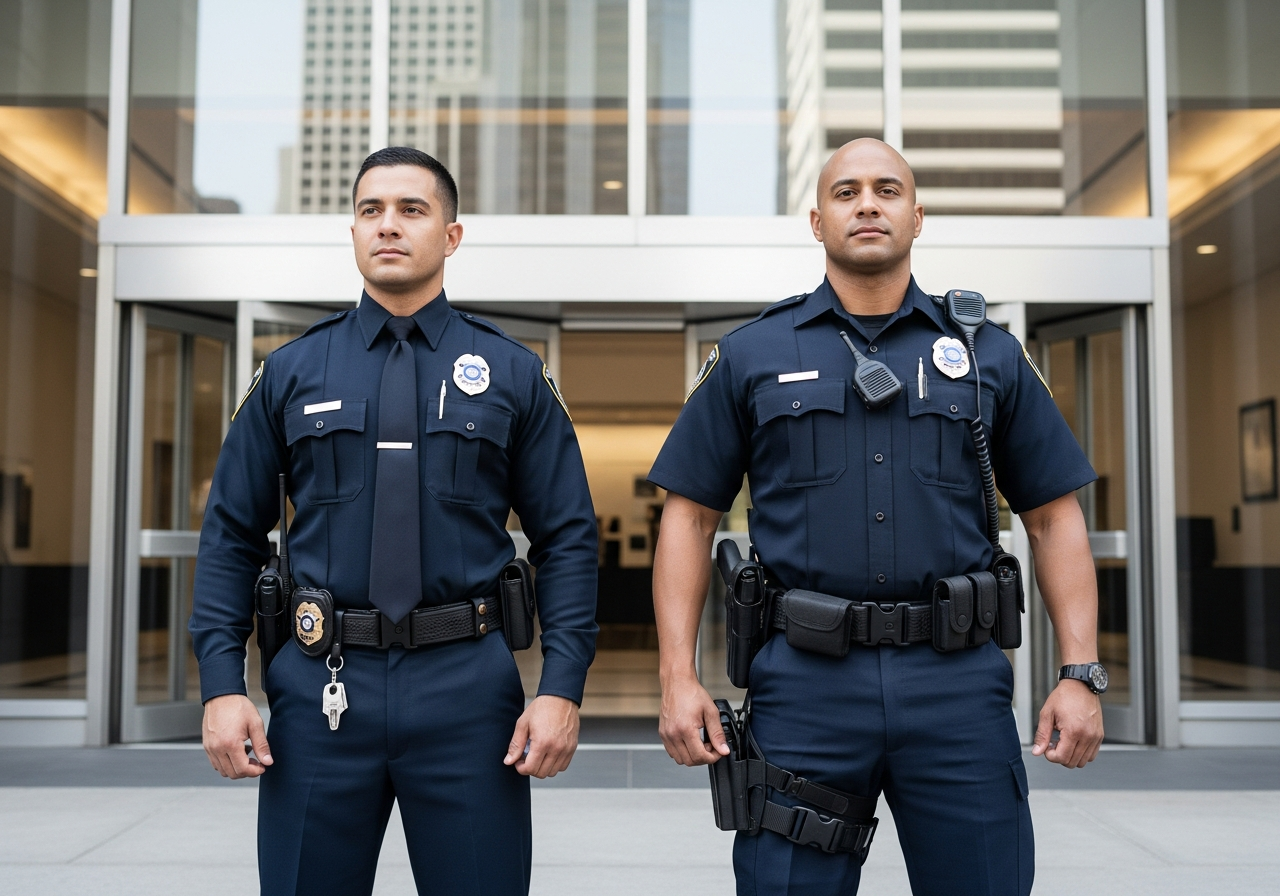
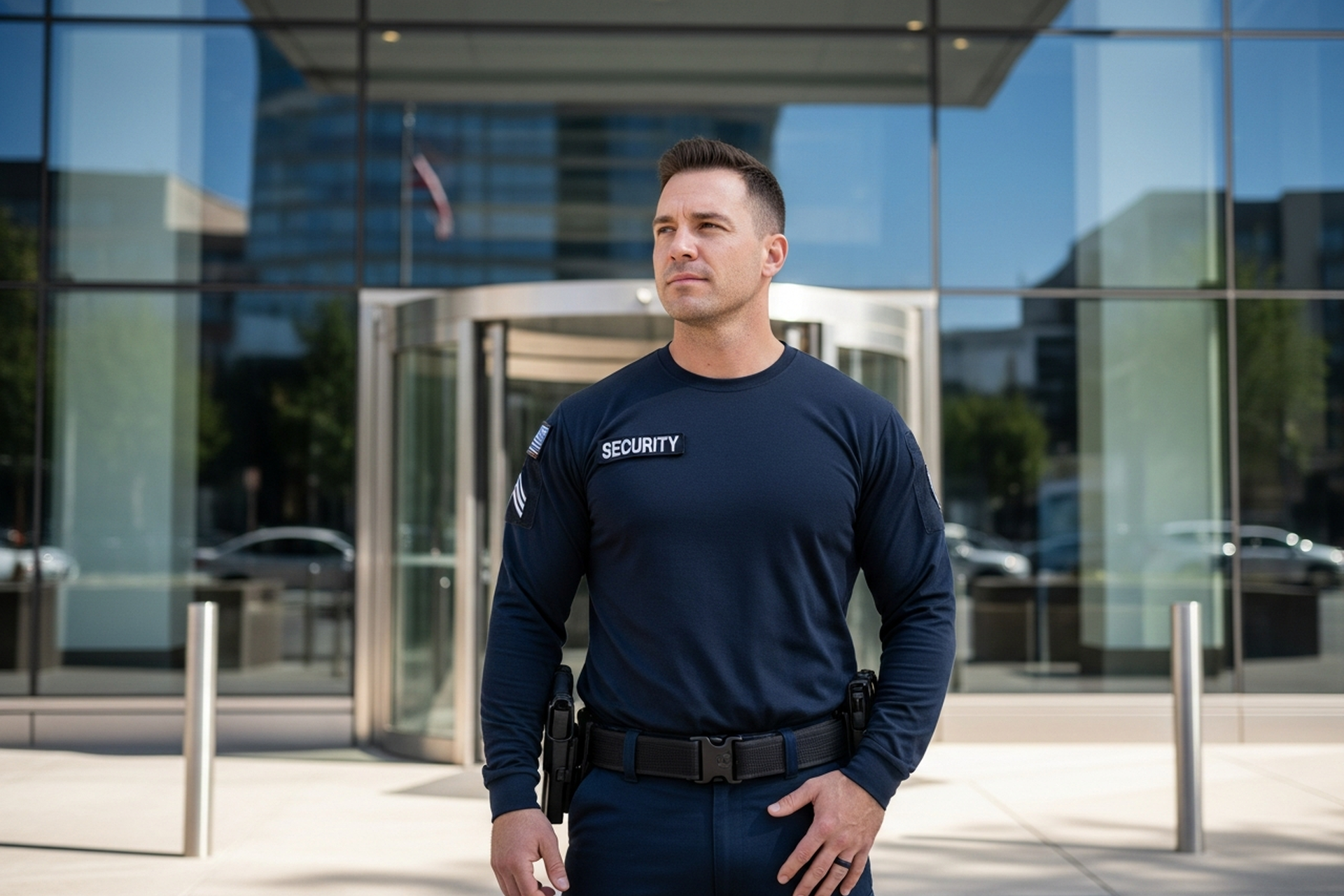
Deterrence through visible presence. A uniformed officer at a primary entrance, walking the floor, or stationed near high-target merchandise categories shifts the risk calculation a crew makes when scouting. ORC operations choose targets based on perceived risk, and a staffed location moves down the list. For most Dallas retail formats, unarmed guards at appropriate posts deliver this deterrent value. Higher-risk locations or specific shifts may justify armed guards or off-duty law enforcement coverage.
Evidence-quality observation. Trained officers document what untrained employees miss. Behavioral patterns, vehicle details, communication signals, and coordinated movement enter the written record when an officer is on post. That documentation becomes the input law enforcement uses to build a §31.16 case.
Not direct apprehension. This is the line most retailers and security programs need to draw clearly. Confronting an active ORC crew is dangerous, generates serious liability exposure, and rarely produces a stronger case than disciplined observation. Crews are often larger than the staff responding to them and operationally prepared to escalate. Industry-standard protocol is to observe, document, communicate to law enforcement, and let officers handle apprehension.
Patrol coordination. Retail centers and shopping districts increasingly use mobile patrols to cover parking lots and connect multiple tenants under a single security framework. Patrols give the property visibility into staging behavior in the lot before it reaches the store and turn isolated incidents into pattern reports.
Building an ORC-Aware Retail Security Program
A program built around ORC awareness looks different from generic shoplifting deterrence in three ways. Training is more specific, recognizing crew behavior rather than individual theft cues. Documentation is structured to capture the elements prosecutors need for §31.16 charges. And the program connects upward across stores: ORC is a multi-location problem, and retailers that share intelligence and align their security partner across sites recover meaningfully more than retailers running each store independently.
Cascadia structures programs across the retail security portfolio with this framework, including coordination with warehouse and distribution operations where ORC merchandise surfaces in cargo investigations and at parking facilities where staging activity concentrates.
What This Means for Your Dallas Retail Operation
If your store or chain has been treating ORC as a more aggressive form of shoplifting, the operational gap is probably wider than the shrink report suggests. The shrink number captures merchandise lost. It does not capture the cases that never got built because evidence was not preserved, the patterns that never got recognized because staff lacked training, or the deterrent value never realized because coverage was not structured around the threat.
The fix is not more guards in more locations. The fix is a security framework calibrated to what ORC actually looks like, with training that lets staff recognize patterns, documentation that supports prosecution, and coordination across stores that turns individual incidents into the cases that move ring members off the street.
Frequently Asked Questions
When should we call the police versus handle an ORC incident internally?
Active incidents involving multiple individuals, coordinated movement, or potential confrontation should always involve law enforcement. Officers and staff should observe, document, communicate location and vehicle details, and let police respond. Internal handling is appropriate only for after-the-fact documentation and pattern reporting.
What evidence helps build an ORC case?
Detailed incident reports filed the same day, preserved video from multiple angles, vehicle descriptions and plate numbers, behavioral observations of crew coordination, and merchandise lists with aggregate value. Reports tied to other reports across stores or visits carry the most weight in a §31.16 charging decision.
How do we coordinate across multiple stores or tenants?
Through standardized incident reporting, designated points of contact, regular pattern-sharing across operations leadership, and consistent communication with law enforcement retail crime contacts. Centers with a
single security provider across tenants have an easier coordination path than centers with a patchwork.
How do we tell the difference between an opportunistic shoplifter and an ORC crew member?
Behavioral signals: coordinated entries, phone or earpiece communication, multi-cart loadouts targeting specific high-resale categories, lingering near exits, and rapid push-out movement. Solo theft of items consistent with personal use looks different from crew theft of inventory consistent with resale.
What about coordination across tenants at the mall or strip center?
Property management coordinates with security providers covering common areas, and individual tenants run their own in-store programs. The most effective centers establish a unified incident reporting channel, share pattern intelligence on a privacy-respecting basis, and align with the same law enforcement retail crime contacts.
If your Dallas retail operation needs an ORC-aware security framework, including officer placement, mobile patrol coverage, and documentation discipline that supports prosecution, reach out for a quote or call (800) 939-1549.