Mall Security Operations: Protecting Shoppers, Tenants, and Staff
Josh Harris | February 6, 2026
Frequently Asked Questions
What qualifications should mall security officers have?
Officers should hold state-required security licenses or certifications as applicable, complete criminal background checks, and receive specialized training in retail security, de-escalation, and emergency response in accordance with local regulations. Many properties prefer officers with prior law enforcement or military experience for supervisory roles.
How often should security patrols occur in a shopping mall?
Patrol frequency depends on property size, crime history, and tenant mix. Most malls benefit from continuous patrols during operating hours, with increased frequency during evenings, weekends, and holiday seasons when foot traffic peaks.
What role does security play during medical emergencies?
Security officers typically provide first response, administering CPR or AED intervention when necessary, securing the scene, and guiding emergency medical services to the patient's location. Officers should maintain current certifications in first aid, CPR, and AED in accordance with the American Red Cross or the American Heart Association guidelines.
How can tenants report security concerns?
Effective malls establish multiple reporting channels, including direct radio contact, dedicated phone lines, mobile applications, and regular check-ins during patrols. The easier reporting becomes, the more intelligence security teams receive.
Building Safer Retail Environments
Protecting shoppers, tenants, and staff requires coordinated effort across technology, personnel, and partnerships. The malls that excel treat security as an integrated function rather than an afterthought, investing in systems and training that prevent incidents rather than merely responding to them. For properties seeking professional security solutions tailored to retail environments,Cascadia GlobalSecurity offers veteran-owned expertise with locally managed teams committed to client safety. Reach out to discuss how comprehensive security operations can protect your property and the people who depend on it.
The Evolving Landscape of Shopping Mall Security
A single shopping mall can see 50,000 visitors on a busy Saturday, each one expecting to browse, dine, and leave safely. Behind that expectation stands a complex security operation managing dozens of entry points, hundreds of retail employees, and thousands of square feet of common space. Mall security operations focus on protecting shoppers, tenants, and staff through coordinated systems that most visitors never notice. The challenge is significant: create an environment secure enough to prevent theft, violence, and emergencies while remaining welcoming enough that customers want to return. Modern retail environments face threats ranging from organized retail crime rings to active shooter scenarios, requiring security teams to balance vigilance with hospitality. The malls that get this right see lower shrinkage rates, higher tenant retention, and stronger customer loyalty. Those who fail face lawsuits, vacancies, and reputational damage that can take years to repair.
Balancing Public Access with Asset Protection
Shopping centers operate as semi-public spaces, which creates unique security challenges. Unlike corporate campuses or government buildings, malls cannot screen every entrant or restrict access to credentialed individuals. Security teams must protect millions of dollars in merchandise and infrastructure while maintaining the open, inviting atmosphere that drives foot traffic. This requires layered approaches:
- Perimeter monitoring that identifies suspicious behavior before individuals enter
- Interior surveillance covering blind spots and high-value areas
- Rapid response capabilities that minimize disruption to normal operations
Core Responsibilities Toward Shoppers and Staff
Security personnel in retail environments serve multiple constituencies simultaneously. Shoppers expect protection from theft, assault, and medical emergencies. Tenants need safeguards for their inventory, employees, and customers. Mall management requires asset protection and liability mitigation. Effective operations address all three through unified protocols that prioritize human safety while protecting property.
Integrated Surveillance and Detection Technologies
Technology forms the backbone of modern mall security infrastructure. The right systems multiply the effectiveness of human personnel while creating documentation that proves invaluable during investigations and legal proceedings.
Smart CCTV and AI-Driven Behavioral Analytics
Traditional camera systems recorded footage that could be reviewed after an incident. Current technology actively monitors feeds in real time, flagging anomalies before they escalate.
AI-powered analytics can identify:
- Loitering patterns associated with theft reconnaissance
- Abandoned packages or bags requiring investigation
- Crowd density approaching unsafe thresholds
- Potential matches to descriptions of known offenders, consistent with privacy and data protection laws
These systems reduce the cognitive load on security personnel, allowing them to focus attention where it matters most rather than watching dozens of static feeds.
Access Control Systems for Service Corridors and Back-of-House
Public areas represent only a fraction of mall square footage. Service corridors, loading docks, mechanical rooms, and management offices require strict access control. Modern systems use credential-based entry with complete audit trails, ensuring that only authorized personnel have access to sensitive areas. Integration with HR systems or access management platforms can automatically revoke credentials when employees terminate or change roles, reducing unauthorized access risks.
Strategic Personnel Deployment and Patrols
Technology supports but never replaces trained security professionals. Human judgment, de-escalation skills, and physical presence remain essential components of comprehensive protection programs.
Visible Deterrence vs. Plainclothes Operations
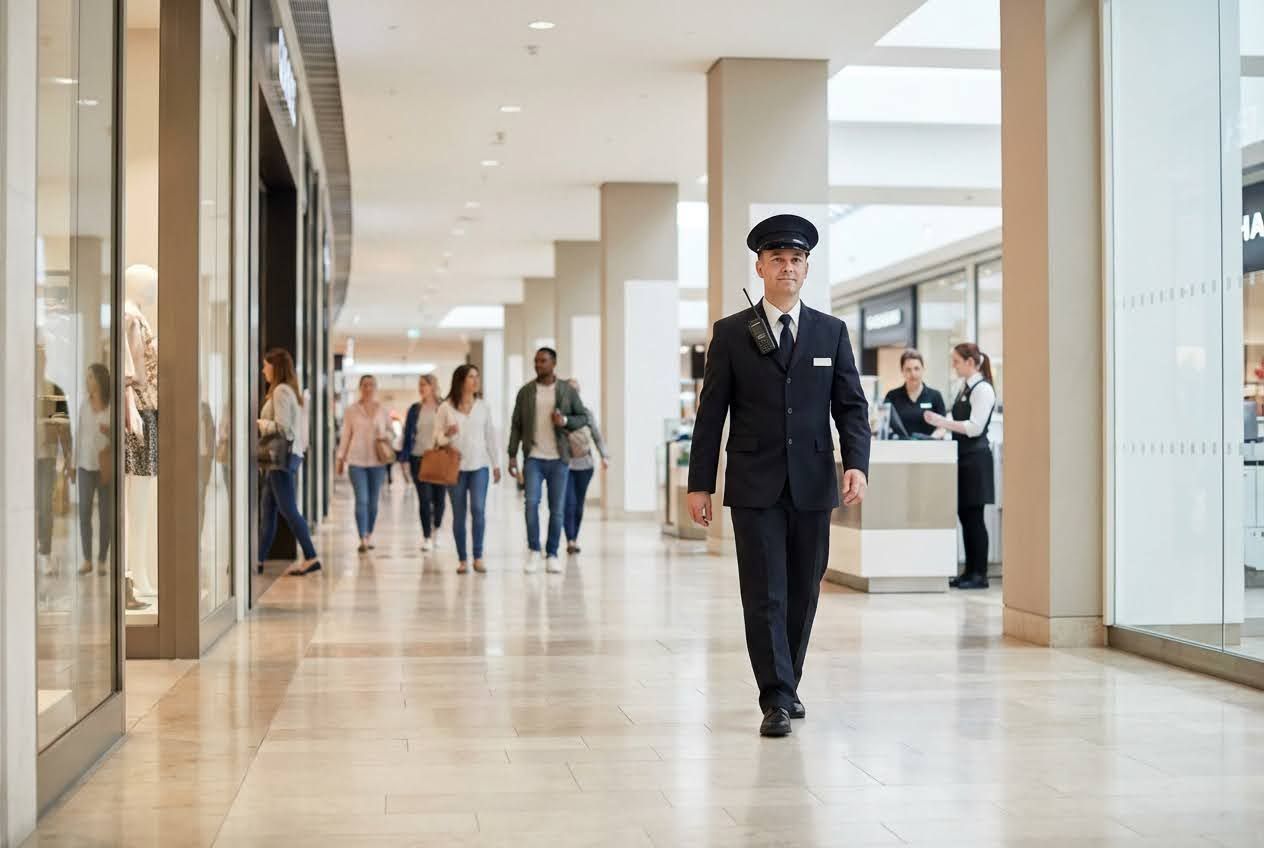
Uniformed officers serve a deterrent function; their presence alone discourages opportunistic crime. However, professional thieves and organized retail crime groups closely monitor uniform patterns and adjust their tactics accordingly. Effective mall security blends both approaches:
- Uniformed patrols in high-traffic areas and food courts
- Plainclothes officers in retail zones with high shrinkage
- Randomized patrol schedules that prevent predictability
- Strategic positioning during peak hours and special events
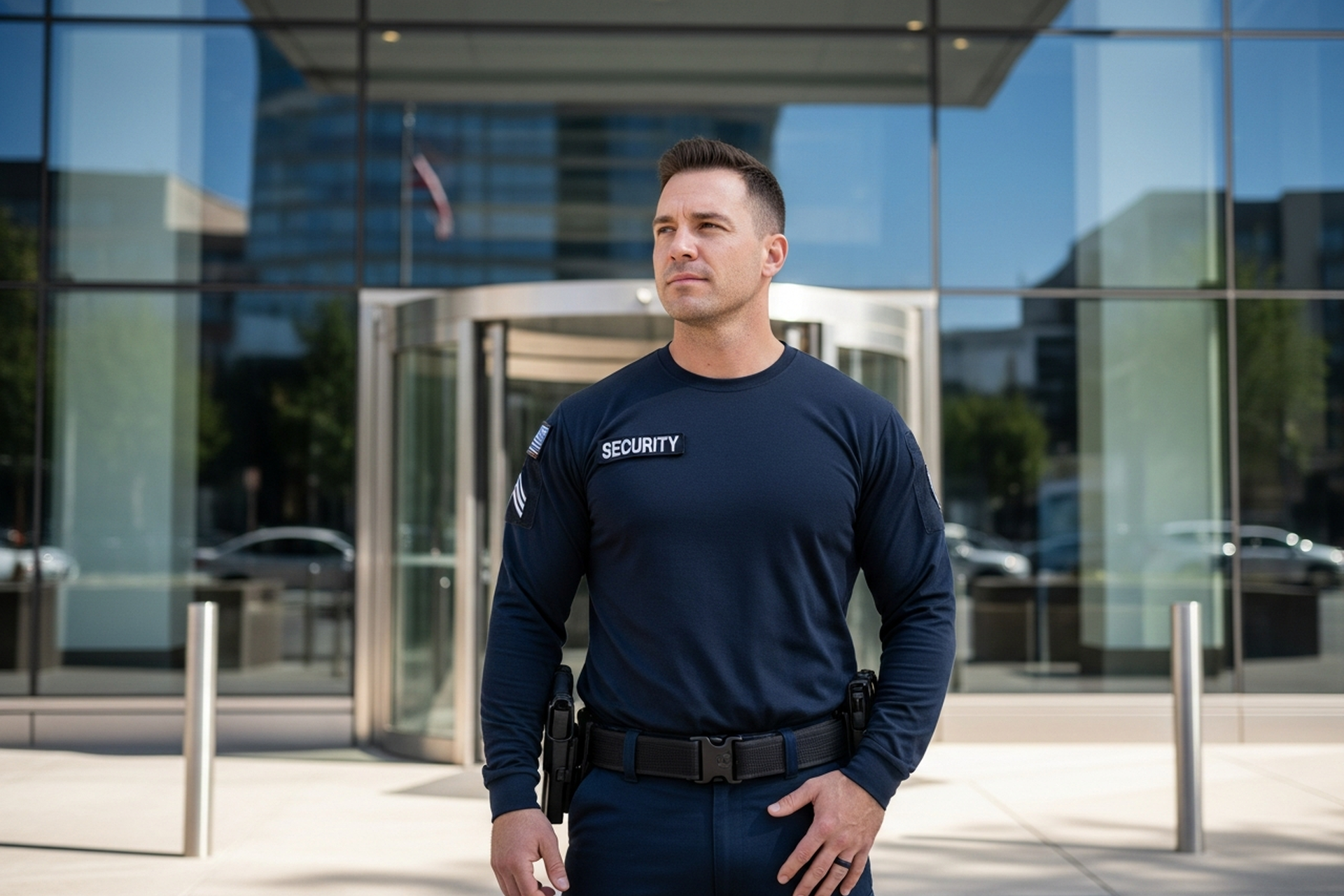
Cascadia Global Security provides both armed and unarmed personnel trained specifically for retail environments, understanding that different situations require different approaches.
Conflict De-escalation and Customer Service Training
Security officers encounter confrontational situations regularly, from shoplifting apprehensions to parking disputes and intoxicated patrons. The ability to de-escalate conflict without physical intervention protects everyone involved while reducing liability exposure. Training should emphasize verbal communication techniques, body language awareness, and recognition of mental and behavioral health crises that may require coordination with law enforcement or emergency medical services.
Emergency Response and Crisis Management Protocols
Routine security operations handle daily challenges, but emergency preparedness determines outcomes during critical incidents. Malls must prepare for scenarios including active threats, medical emergencies, fires, natural disasters, and utility failures.
Coordinating with Local Law Enforcement and EMS
Response time during emergencies often determines whether incidents remain contained or escalate catastrophically. Effective coordination requires:
- Pre-established relationships with local police and fire departments
- Shared radio frequencies or communication protocols
- Regular joint training exercises
- Clear staging areas and access routes for emergency vehicles
Security teams that have practiced alongside first responders perform significantly better during actual emergencies than those coordinating for the first time under pressure.
Evacuation Procedures and Fire Safety Compliance
Mall evacuation presents logistical challenges that smaller facilities never face. Multiple anchor stores, food courts, entertainment venues, and parking structures require coordinated egress planning. Security personnel must know evacuation routes, assembly points, and procedures for assisting individuals with disabilities. Regular drills, conducted during low-traffic periods, ensure that both security staff and tenant employees understand their roles.
Tenant Partnerships and Loss Prevention Collaboration
Individual retailers and mall security share common interests but often operate in silos. Breaking down these barriers creates force multiplication that benefits everyone.
Information Sharing Networks for Shoplifting Prevention
Organized retail crime groups frequently target multiple stores within the same mall, sometimes on the same day. Information-sharing networks enable security teams to alert all tenants when known offenders enter the property. These networks function best when they include:
- Real-time communication channels accessible to all store managers
- Shared databases of incident reports and suspect descriptions
- Regular meetings to discuss emerging threats and patterns
- Protocols that comply with privacy and anti-discrimination laws when sharing personally identifiable information
Cascadia Global Security helps clients establish these collaborative frameworks, recognizing that security improves when stakeholders work together rather than independently.
Staff Safety Training for Retail Employees
Tenant employees often encounter security situations before professional officers arrive. Training programs should cover recognizing suspicious behavior, responding to aggressive customers, and reporting protocols. Employees who feel prepared handle incidents more effectively and experience less trauma afterward.
Mitigating Liability Through Risk Assessment and Documentation
Every security decision carries potential liability implications. Comprehensive documentation protects property owners, management companies, and security providers when incidents inevitably lead to legal scrutiny. Regular risk assessments identify vulnerabilities before they cause harm, while incident reports create contemporaneous records that are invaluable during litigation. Properties that invest in thorough documentation consistently achieve better outcomes in court proceedings and insurance claims.