Overnight Security Jobs: What to Expect and Who They’re For
Josh Harris | February 5, 2026
Why Choose Overnight Security Jobs?
Working
overnight is not for everyone. The quiet hours, the darkness, and the solitude can be challenging. But for some, these are the exact reasons they prefer overnight security jobs. If you like working when most people are asleep, this could be a good fit.
Overnight security roles often come with less traffic, fewer distractions, and sometimes higher pay. Many businesses and facilities need someone to monitor their property overnight. This means steady work for those willing to take on the shift.
Cascadia Global Security specializes in providing overnight security positions, offering roles that range from patrolling to monitoring surveillance systems.
The overnight shift can foster camaraderie among colleagues who share the same unusual hours. Many overnight security teams develop strong bonds, supporting each other through the challenges of working while others are resting.
What Does an Overnight Security Job Involve?
Typical Duties
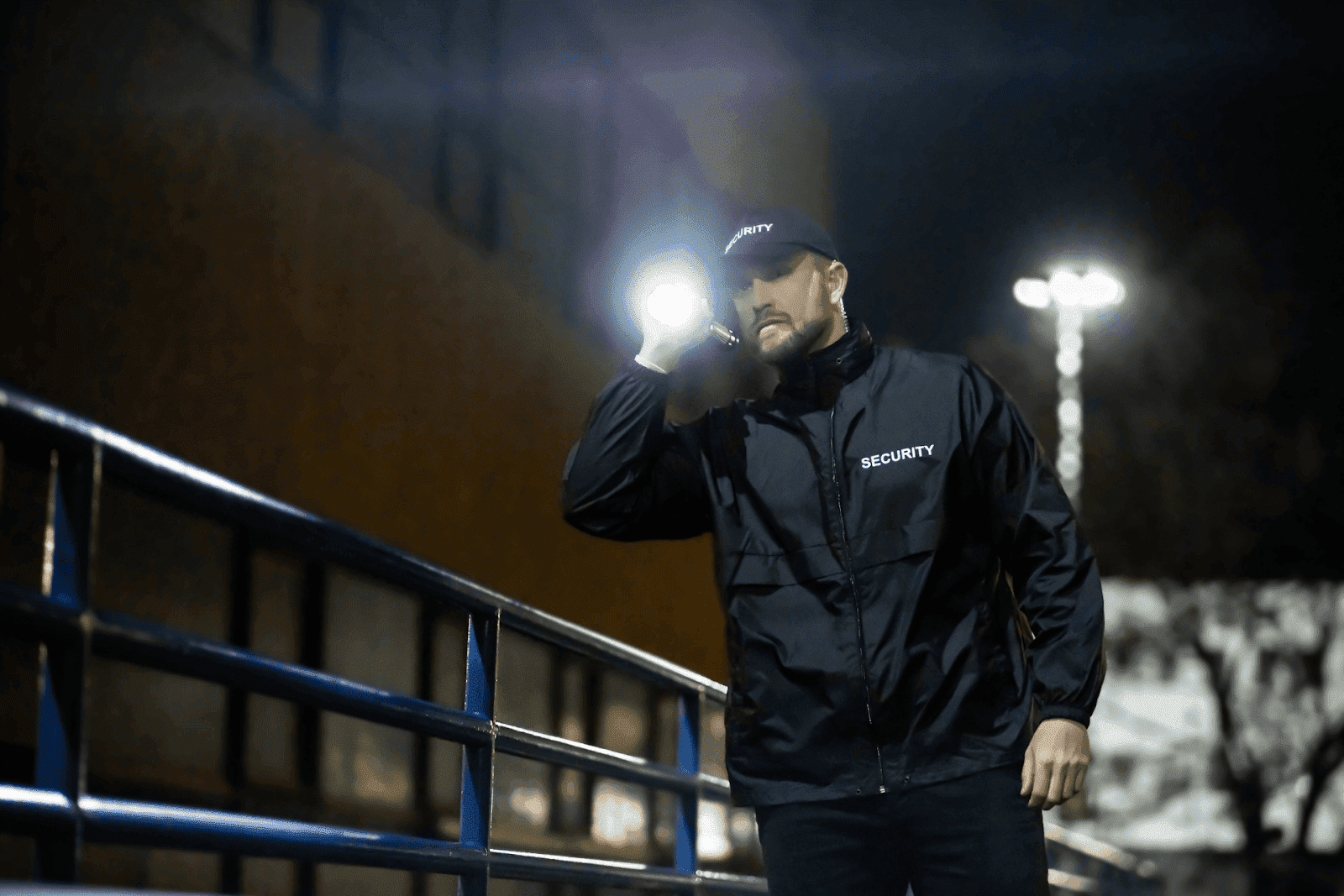
Overnight security officers monitor buildings, grounds, and people to prevent theft, vandalism, and other incidents. This means walking around the property, checking doors and windows, and sometimes responding to alarms.
Many overnight security jobs also require monitoring security cameras and reporting any unusual activity. You might be the first person to notice a problem, so staying alert is crucial. In addition to these responsibilities, security officers often conduct regular inspections of the premises to ensure that all safety protocols are followed. This might include checking fire extinguishers, ensuring emergency exits are clear, and verifying that all security systems are operational. Accurate and timely documentation of incidents is essential, as these records can be critical in investigations or legal matters. Security personnel should follow company protocols for incident reporting and evidence handling to ensure compliance with legal and organizational standards.
Work Environment
Expect to work in places like office buildings, warehouses, hospitals, or schools. Some jobs require sitting at a desk watching monitors, while others involve patrolling large areas on foot or by vehicle. The environment can be quiet, but it’s important to stay focused.
Working overnight means you’ll often be the only person around, which can feel isolating. However, this also means fewer interruptions and a chance to work independently. Many overnight security officers develop a unique bond with the environment they oversee, becoming intimately familiar with its routines and quirks. This familiarity can be beneficial, as it allows them to quickly identify anything out of the ordinary.
Who Is Best Suited for Overnight Security Jobs?
Personality Traits
Patience and vigilance are key. Overnight security officers need to stay awake and alert for long periods. If you get bored easily or struggle with staying focused, this might not be the right job. A strong sense of responsibility is also crucial; security personnel are often the first line of defense in protecting property and safeguarding individuals. This means that a proactive attitude and a commitment to maintaining high safety standards can significantly enhance performance in this role.
Being comfortable working alone is also important. Many overnight shifts have minimal supervision, so you must be self-motivated and responsible. Additionally, strong observational skills are vital. An effective security officer must be able to notice even the slightest changes in their environment, whether it's a flickering light or an unfamiliar person on the premises. This acute awareness can often prevent incidents from escalating, making it a valuable trait for anyone considering this line of work.
Physical and Mental Requirements
Some overnight security roles require physical activity, such as walking or standing for hours. Good health and stamina help. Others may be more sedentary but still demand mental sharpness. For instance, positions that involve monitoring surveillance cameras require a keen eye for detail and the ability to analyze footage for suspicious behavior. This mental engagement is just as important as physical readiness, as it ensures that security personnel can respond effectively to any situation that may arise.
Handling emergencies calmly is essential. You might face situations where quick thinking and clear communication make a difference. Training in conflict resolution and emergency response protocols is often provided, but having a natural inclination towards problem-solving can be a significant asset. Developing strong communication skills can help when interacting with law enforcement or emergency services. The ability to convey information clearly and efficiently can be the difference between a minor incident and a major crisis, highlighting the importance of both mental acuity and interpersonal skills in this challenging yet rewarding field.
How to Prepare for an Overnight Security Job
Getting the Right Training
Before starting, most employers require some training. This can include learning about emergency procedures, first aid, and how to use security equipment.
Cascadia Global Security offers comprehensive training programs that prepare you for the realities of overnight shifts.
Most U.S. states require security guards to be licensed or registered, which typically involves passing a background check and completing state-approved training hours. The specific requirements vary by state and may differ for armed versus unarmed positions.
Adjusting Your Lifestyle
Switching to overnight work requires adjusting your sleep schedule. Because long-term night shift work has been linked to health risks such as disrupted circadian rhythms and sleep disorders, workers should monitor their well-being and consult healthcare providers if they experience persistent fatigue or health issues.
Eating healthy meals and staying hydrated during your shift will keep your energy up. Avoid heavy meals right before work to prevent sluggishness.
Pros and Cons of Overnight Security Jobs
Advantages
- Often higher pay or shift differentials
- Less crowded work environment
- Opportunities for independence and self-management
- Steady demand for overnight security personnel
Challenges
- Disrupted sleep patterns
- Potential feelings of isolation
- Physical and mental fatigue
- Limited social life during typical daytime hours
What Employers Look For
Employers want reliable, trustworthy individuals with a clean background. Experience is a plus, but not always required. Showing willingness to learn and a strong work ethic can help you stand out.
Frequently Asked Questions About Overnight Security Jobs
Is overnight security work dangerous?
While proper training and adherence to safety protocols can significantly reduce risks, the level of danger varies depending on the work environment. Some positions primarily involve monitoring, while others may occasionally require direct interaction with individuals posing security concerns.
How much can I expect to earn?
Pay varies by location and employer, but tends to be higher than daytime security roles due to the shift. Some companies offer bonuses or shift differentials for overnight hours.
Can I work overnight security if I have a family?
It can be challenging to balance family life with overnight shifts. Planning and communication are key. Some people find this schedule works well if others share daytime responsibilities.
Do I need previous security experience?
Not always. Many companies provide training for new hires. However, having experience or certifications can improve your chances of getting hired.
Is Overnight Security Right for You?
Overnight security jobs offer unique benefits and challenges. They suit people who enjoy quiet, independent work and can handle an unusual schedule. If you value steady employment and don’t mind the night shift, this career path might be a great fit.
Cascadia Global Security provides excellent opportunities and support for those interested. Exploring these roles can open doors to a rewarding job that keeps communities and businesses safe while others sleep.