Unarmed Security Services in Seattle: Professional Protection
Josh Harris | May 24, 2026
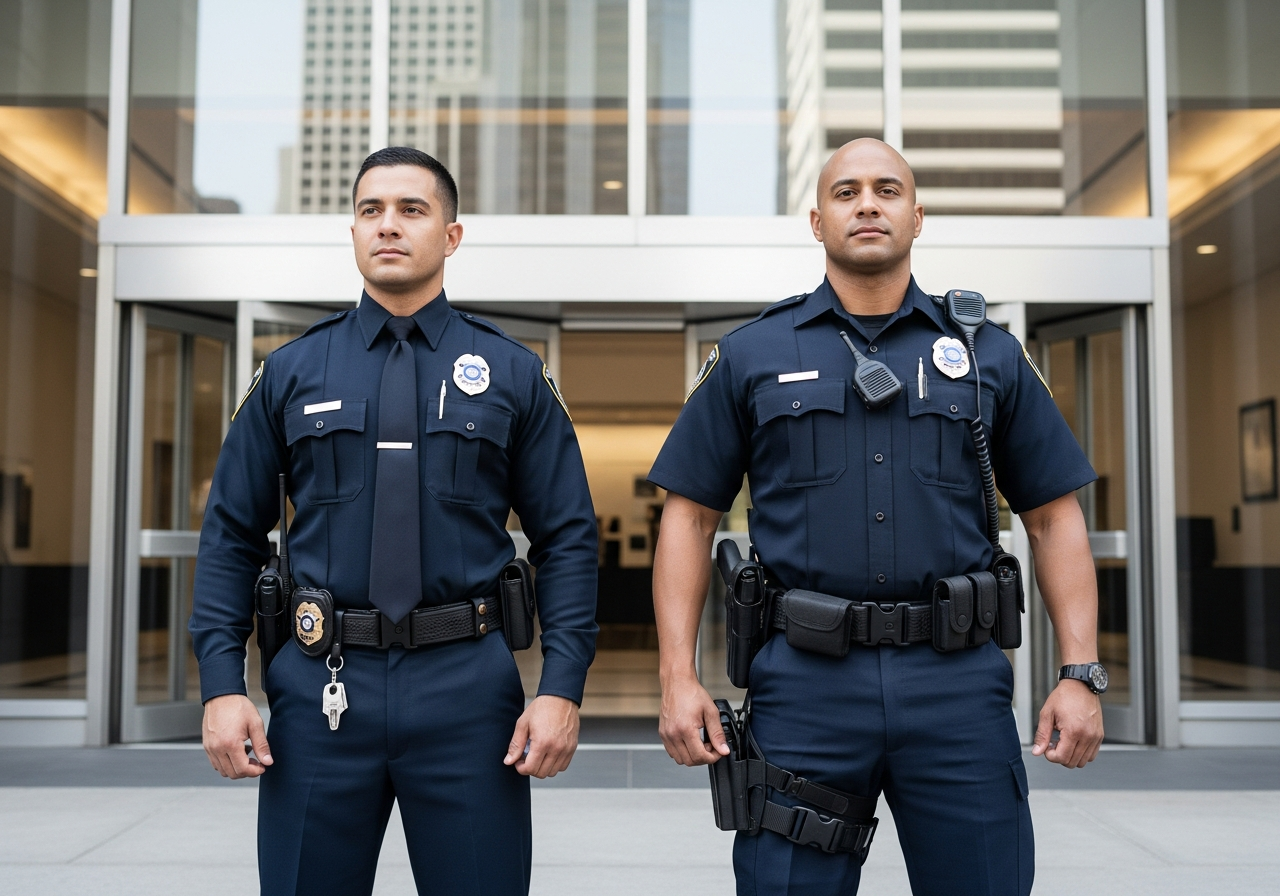
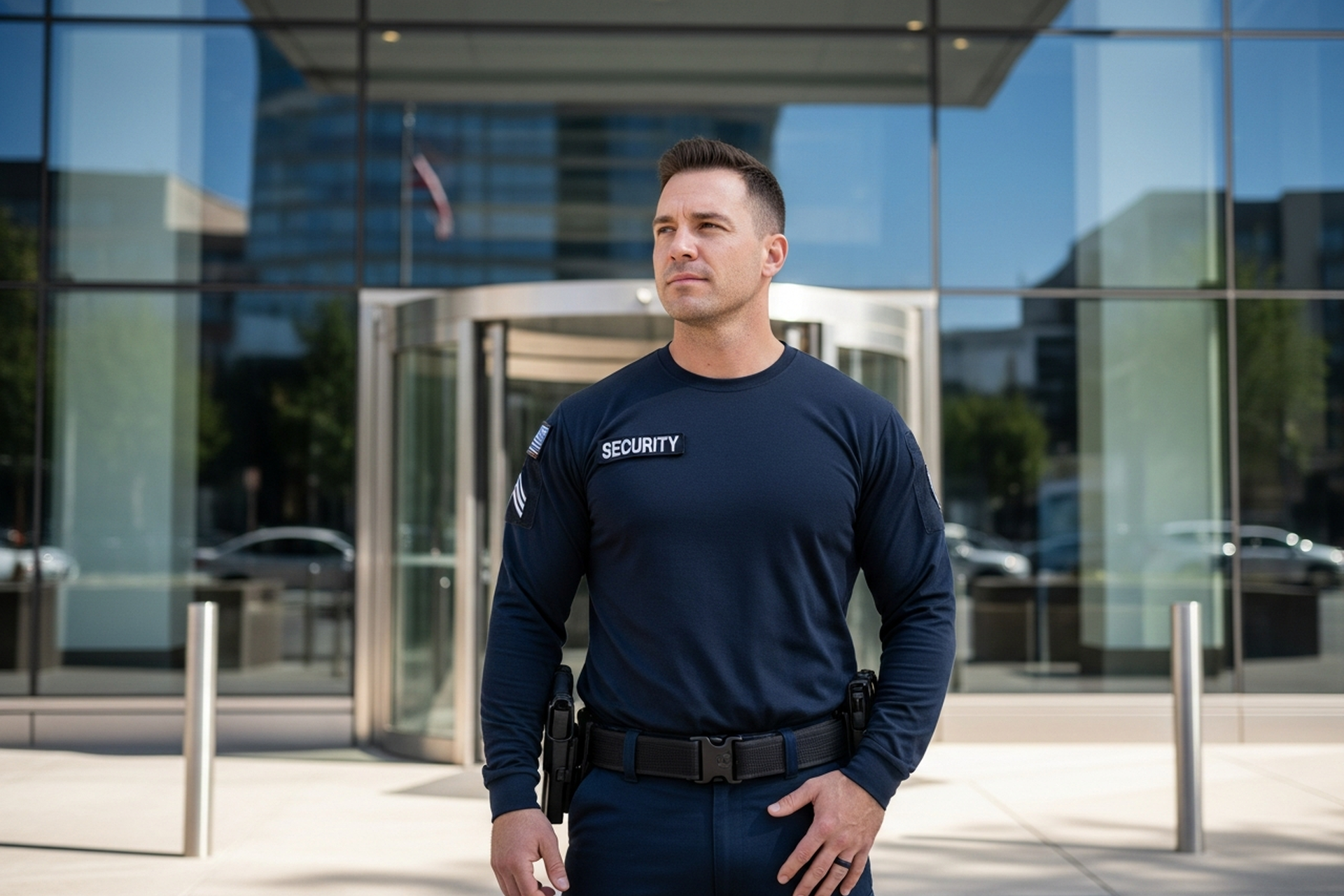
For most commercial properties in Seattle, unarmed security is not the backup plan. It is the plan. Lobbies, retail floors, multifamily buildings, corporate reception areas, healthcare facilities, and hospitality venues across King County are protected every day by professional uniformed officers who rely on observation, presence, and communication rather than force.
Unarmed security guards represent the professional standard for the majority of commercial deployments, and understanding what they do well, how Washington State licenses them, and what to look for in a provider is the foundation of a sound security decision for most property managers and facility operators.
What unarmed security officers do well
The core value of an unarmed guard is not simply that a weapon is absent. It is that a trained professional is present, visible, and active. Across commercial settings, this presence accomplishes several things that cameras and access systems cannot do on their own.
Deterrence through visibility. Most workplace incidents, disturbances, and opportunistic thefts do not happen when a uniformed professional is watching. Visible presence shifts behavior before incidents occur, which is far more valuable than a documented incident report after the fact.
Access control and credentialing. Officers manage who enters a building, verify visitor credentials, issue temporary badges, and maintain entry logs. In Class A office buildings and corporate campuses across South Lake Union and the Eastside, this function is continuous and requires professional judgment, not just a badge scanner.
De-escalation and conflict response. Trained unarmed officers use verbal communication techniques to manage tense situations before they escalate. Crisis intervention training, conflict communication protocols, and situational awareness are core competencies for professional security personnel. Many incidents that could become serious are resolved through clear communication and calm authority long before any physical response is warranted.
Documentation and reporting. Officers observe and record. Incident documentation, shift logs, and formal reports support insurance claims, HR investigations, and tenant relations. A well-documented security record is an asset for any commercial property.
Customer service and concierge functions. In hospitality environments, retail settings, and multifamily concierge desks, security officers are often the first point of contact for guests and residents. Professional demeanor and communication skills are as important as situational awareness in these roles.
The International Foundation for Protection Officers emphasizes that effective protection work is built on training, professionalism, and communication, core competencies that are fully accessible to unarmed officers and form the backbone of most commercial security programs.
Washington State licensing requirements for unarmed security guards
Washington licenses private security guards through the Washington State Department of Licensing, and the requirements are clear: anyone working as a security guard in Washington must hold a valid state license before beginning work.
Under RCW 18.170, the requirements for an unarmed guard license include:
- Must be at least 18 years old
- Must pass a criminal background check
- Must submit fingerprints for state and federal review
- Must complete an 8-hour pre-assignment training course before working independently
The 8-hour pre-assignment requirement covers topics including legal authority and limitations, emergency procedures, report writing, and the fundamentals of observation and documentation. This training must be completed through an approved provider, and the license itself is issued by WA DOL after all requirements are satisfied.
Employers are also required to register as security guard companies with the state before deploying licensed officers. A reputable Seattle security company maintains current company registration alongside the individual licenses of every officer on staff.
Washington's legal framework for security guards does not grant arrest powers. Officers may detain individuals under the citizen's arrest doctrine in specific circumstances, but they operate within a carefully defined set of legal parameters. Professional providers train officers on these boundaries explicitly, because exceeding them creates legal exposure for both the guard and the client business.
Where unarmed security fits across Seattle's commercial landscape
Seattle's commercial density, technology sector growth, and mixed-use development across neighborhoods from South Lake Union to the Eastside means that professional security needs span a wide range of property types. For most of them, unarmed officers are the appropriate and cost-effective solution.
Corporate offices and tech campuses. Seattle's technology sector, anchored by major employers and growing startup corridors, relies heavily on uniformed lobby officers for access control, visitor management, and after-hours patrols. These environments rarely require armed coverage, but they benefit significantly from consistent, professional unarmed presence.
Retail environments. From Pike Place Market to neighborhood retail corridors, visible unarmed guards support loss prevention, de-escalate floor incidents, and provide a professional point of contact for staff and customers. Retail security in Seattle operates in a high-foot-traffic environment where customer service competence matters as much as situational awareness.
Multifamily and apartment communities. Concierge security in multifamily housing buildings across Capitol Hill, Belltown, and the broader Seattle metro area handles package management, visitor screening, and resident safety. These roles call for professionalism and communication skills, not armed presence.
Healthcare reception and clinical environments. Hospital lobbies, outpatient clinics, and medical office buildings in the Seattle area use unarmed officers for access control, patient navigation assistance, and de-escalation support. The International Association for Healthcare Security and Safety sets training benchmarks for healthcare-specific security programs, and professional unarmed officers meeting those standards serve healthcare settings effectively.
Hospitality and hotels. From boutique properties in Capitol Hill to large convention-adjacent hotels near the Washington State Convention Center, hospitality security is fundamentally a customer service function supported by professional security judgment. Unarmed officers handle guest incidents, access control, and lobby management without creating the elevated profile that armed coverage implies.
Construction sites during staffed hours. While overnight construction security often benefits from armed coverage on certain sites, daytime and supervised-hours deployments at many active construction projects across Seattle and King County are managed effectively by uniformed unarmed officers.
Unarmed versus armed security: the right framing
The question facing most property managers is not whether to choose armed or unarmed security. For the vast majority of commercial deployments, the right answer is already clear: professional unarmed coverage.
Armed officers are appropriate when a documented risk assessment identifies a specific threat profile, including significant cash handling, high-value merchandise concentration, or documented violent incident history, that justifies elevated coverage. Cannabis dispensaries, jewelry retailers, and certain financial institutions regularly meet that threshold.
Armed security services require additional licensing under Washington State law, including a WACJTC firearms certificate and annual requalification, and they carry a higher operational cost and a different public profile on the property.
For the full range of Class A offices, retail corridors, multifamily communities, healthcare facilities, and hospitality properties, unarmed coverage is not a compromise. It is the appropriate professional response to the actual risk profile of these environments.
Choosing a provider for unarmed security in Seattle
Not all unarmed security programs are the same. Washington's licensing requirements establish a floor, and reputable providers build well above it.
When evaluating a provider, focus on:
- Current WA DOL company registration and individual officer licenses (verifiable through the DOL online system)
- Training beyond state minimums, including de-escalation protocols, customer service fundamentals, and property-specific orientation
- Supervision structure, including shift supervisor coverage and escalation procedures
- Incident documentation standards and how reports are delivered to the client
- Local deployment experience, including familiarity with Seattle neighborhoods, SPD precinct structures, and the operational dynamics of your specific property type
Communication between the security provider and the property management team is a consistent differentiator between adequate programs and excellent ones. Officers who are briefed on tenant relationships, building protocols, and property-specific concerns perform measurably better than those who arrive cold.
Cascadia Global Security provides unarmed guard services across the Seattle metro area, including King County, Snohomish County, and Pierce County. Our officers hold current WA DOL licenses, complete pre-assignment training that exceeds state minimums, and operate under an active supervision model that keeps every shift accountable.
If you are ready to discuss coverage options for your property, call us at (800) 939-1549 or get a quote to start the conversation.
Frequently Asked Questions
What does Washington State require for an unarmed security guard license?
Under RCW 18.170, unarmed guards in Washington must be at least 18 years old, pass a criminal background check, submit fingerprints for state and federal review, and complete an 8-hour pre-assignment training course before working independently. The license is issued through the Washington State Department of Licensing. Employers must also maintain a registered security guard company license with WA DOL before deploying any officers.
Are unarmed guards effective for commercial security in Seattle?
Yes. Professional unarmed officers provide deterrence through visible presence, manage access control, handle de-escalation, and maintain incident documentation. For the overwhelming majority of Seattle commercial properties, including corporate offices, retail environments, multifamily buildings, and healthcare facilities, unarmed coverage is the appropriate professional standard and delivers strong security outcomes without the elevated profile of armed deployment.
When is unarmed security the right choice versus armed security?
Unarmed security is the right choice when a property's risk profile involves general deterrence, access control, customer service integration, and incident response rather than concentrated cash handling, high-value merchandise, or documented violent incident patterns. Most commercial and retail environments in Seattle fall into this category. Armed officers are a specialized deployment for documented high-risk settings such as cannabis dispensaries, financial institutions, or properties with a specific violent incident history.
How do I verify that a Seattle security company is properly licensed?
Washington State DOL makes company and individual guard license status publicly verifiable through the online licensing portal at dol.wa.gov. Before signing a contract, confirm the security company holds a current WA DOL company registration, and ask for confirmation that individual officers assigned to your property hold valid personal guard licenses. Reputable providers make this documentation readily available.
Can unarmed security officers handle a threatening situation?
Professional unarmed officers are trained to use verbal de-escalation techniques, situational awareness, and established protocols to manage threatening situations before they escalate. Their primary tools are communication and calm authority. In situations that exceed those capabilities, officers are trained to contact SPD and withdraw rather than engage physically. The goal is always the safest possible outcome for everyone on the property, and professional unarmed officers achieve that goal effectively across a wide range of commercial settings.