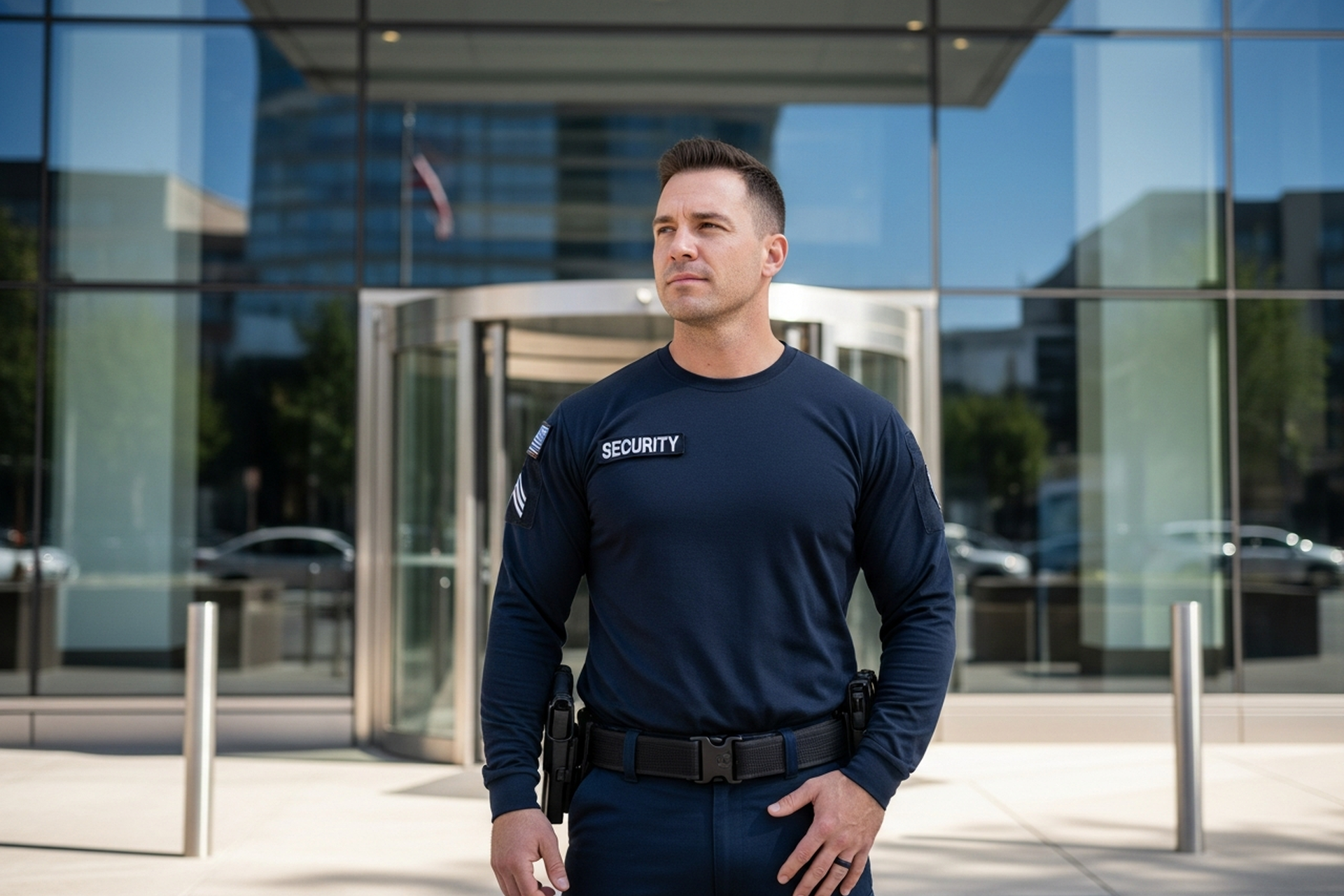
Nighttime Parking Lot Patrol Services in the Seattle Metro
Josh Harris | May 25, 2026
Most of what happens in a commercial parking lot after dark never gets reported until the next morning. A smashed window, a tag on a stairwell wall, a person sleeping next to a tenant's truck: by the time a property manager finds out, the response window has closed. Nighttime parking patrol in Seattle is built around shrinking that window, with visible patrol vehicles, GPS-tracked visits, and a clear escalation path from the first observation to the first phone call.
This piece walks through how an overnight mobile patrol program is actually designed for a parking lot in the Seattle area, what separates a productive route from a checkbox drive-through, and when nighttime patrol is the right coverage model for the property.
Why Parking Lots Are Different at Night
A parking lot during business hours is a self-policing environment. Tenants come and go, cameras catch most activity, and any incident is observed by someone within minutes. After the last tenant leaves, almost all of that disappears. The lot becomes a quiet, semi-public space with cars worth thousands of dollars sitting unattended for ten to twelve hours.
Across the Puget Sound region, the parking lots that draw nighttime incidents share a predictable profile. Surface lots near unmanaged public right-of-way. Garages adjacent to apartment buildings where stairwells connect both. Lots in industrial corridors south of downtown Seattle where activity drops to near zero after 7 pm. Office parking decks on the Eastside that empty out by 6:30 pm and stay empty until 7 the next morning.
Most overnight incidents fall into three categories: vehicle break-ins and catalytic converter theft, vagrancy and unauthorized occupancy, and minor property damage including graffiti, broken lighting, and prop-open doors. Industry groups including the International Parking and Mobility Institute have long tracked these patterns and the design principles that reduce them, and the patterns translate cleanly to operational patrol coverage at the property level.
A property does not need posted overnight coverage to handle most of this. What it needs is frequent, visible, predictable patrol that compresses the window of opportunity.
How a Nighttime Patrol Route Is Actually Built
A productive overnight patrol route is not just a number of visits per night. The route design, the cadence, and the documentation determine whether the program shapes behavior or only generates paperwork.
Route design starts with the property layout
Before the first patrol shift, the patrol manager walks the property with the property manager. The walk identifies every entry point, every stairwell, every blind spot, and every piece of perimeter infrastructure that needs to be checked. A garage with three levels and two stairwells generates a different visit sequence than a single-level surface lot with a single perimeter fence.
The route document that comes out of the walk specifies:
- The sequence of checkpoints inside the property (drive aisles, stairwells, doors, gates)
- The expected duration of a single visit
- Conditions that trigger a phone call versus a written log entry
- Contact information for the property manager, building engineer, and after-hours escalation
- Special instructions for known tenant patterns or recurring issues
This is the post order. It travels with the patrol officer and gets updated whenever the property or the risk profile changes.
Visit cadence and randomization
For a typical Seattle commercial parking lot, the workable cadence is four to six randomized visits per night between roughly 8 pm and 5 am. The visits are randomized, not scheduled, because anyone planning an incident will work around a predictable pattern. A patrol that arrives every night at 10:15, 12:30, and 3:45 is a patrol that someone tagging a stairwell already knows to avoid.
The visits are also staggered across the property. A first visit might enter from the west gate, sweep the main aisle, and exit east. The second visit reverses. The third varies the stairwell sequence. The result is a pattern that looks random from the outside but covers every part of the property every night.
GPS-tracked visits and digital documentation
Every modern patrol program runs on GPS-tracked visit data. The patrol officer's device logs entry time, exit time, route inside the property, and any incident notes. The property manager gets a morning report that shows exactly when each visit happened, where the officer walked, and what was observed.
This matters for two reasons. First, it removes the trust question. The property manager does not have to take anyone's word for what happened overnight. Second, it creates a record that supports insurance claims, tenant disputes, and any incident that needs follow-up. A claim filed without patrol documentation is a much weaker claim than one filed with a GPS-stamped visit log and a written observation.
Alarm Response and Escalation
Most nighttime patrol programs also serve as the first responder for alarm activations at the same property. A door contact triggers at 2 am, the monitoring center calls the patrol service, and the on-shift officer responds within the route window. This is significantly faster than dispatching a separate alarm response company and significantly cheaper than waiting for police, who appropriately prioritize active crimes in progress.
A clear escalation chain is what makes the alarm response model work. The post order specifies:
- Which alarm types trigger an immediate response (perimeter doors, glass break, motion in restricted areas)
- The acceptable response window from notification to on-site arrival
- When the officer calls the property manager, versus only logging the event
- When the officer calls 911 and waits for the police
For higher-risk lots or properties with documented incident history, the alarm response component is what justifies paying for an overnight patrol contract instead of relying on cameras and a morning walk-through.
When Nighttime Parking Patrol in Seattle Is the Right Fit
Not every parking lot needs an overnight patrol contract. The decision depends on three factors: the property's risk profile, the surrounding environment, and the cost of an incident relative to the cost of coverage.
Nighttime patrol typically pays for itself at:
- Multi-tenant office buildings where tenants work late or come in early
- Mixed-use properties where residents share parking with commercial users
- Surface lots adjacent to public right-of-way or unmanaged spaces
- Properties with documented incident history in the prior twelve months
- Retail-anchored centers where overnight vagrancy or vandalism affects opening operations
- Industrial sites where high-value vehicles or equipment stay on the lot overnight
Properties that do not usually need it include small office parks with controlled gate access, urban garages already inside a 24-hour staffed building, and lots in low-traffic suburban locations with no incident history. In those cases, a weekly walk-through or an as-needed call-out may be sufficient until something changes.
Property managers running multi-site portfolios in the Seattle area often use multi-site mobile patrol to cover several properties on a single overnight route. A patrol officer covering four properties in the downtown core or across the Eastside delivers consistent coverage at a per-property cost that single-site posts cannot match.
Coordinating with Property Managers and Tenants
A nighttime patrol program runs on communication. The patrol officer who finds a tagged wall at 1 am needs a clear path to the property manager. The tenant calling about a suspicious vehicle at 11 pm needs a real response, not a voicemail. The leasing team needs to know what is going on overnight so they can answer prospective tenant questions honestly.
The workable model is a defined reporting cadence:
- Same-night phone call for anything that affects tenant safety, building access, or police involvement
- Morning summary email with GPS visit log, observations, and any maintenance items
- Weekly rollup for the property manager covering patterns and trend changes
- Monthly review meeting if the property is large enough to warrant it
For commercial properties with sensitive tenants, the program may add tenant-facing channels: a dedicated phone line tenants can call from the parking lot, a posted patrol schedule range so tenants know coverage exists, or quarterly walk-throughs with the property manager and a tenant rep.
Public-safety guidance from federal agencies including the Cybersecurity and Infrastructure Security Agency emphasizes the same operational principles: visible deterrence, clear reporting channels, and predictable response. Those principles scale down cleanly from large public venues to a single commercial parking lot in the Seattle metro.
What This Means for Property Managers
Most parking lot incidents in the Seattle area happen at night, in a window where no one from the property is on site, and police prioritize calls elsewhere. The properties that handle this well do not necessarily spend more; they just direct coverage at the right hours and the right routes.
For a typical Seattle commercial property, that looks like four to six GPS-tracked overnight visits per night, a clear route walked at staggered times, alarm response built into the same contract, and a morning report the property manager actually reads. The cost is a fraction of full posted coverage and the impact on incident counts is usually visible within sixty to ninety days.
If your property has been seeing overnight break-ins, vagrancy, or tenant complaints about parking after dark, the path forward starts with a coverage review. Cascadia Global Security works with property managers across the Seattle metro on overnight patrol programs sized to the property and the risk. To talk through nighttime patrol coverage for your lot or garage, request a quote or call (800) 939-1549.
Frequently Asked Questions
How many overnight visits should a commercial parking lot in Seattle receive?
Most commercial lots benefit from four to six randomized visits per night between roughly 8 pm and 5 am. The exact number depends on the property's incident history, footprint, and proximity to unmanaged public spaces. Properties with recent break-ins or vagrancy issues often start at six visits per night and step down as the pattern improves.
Do nighttime patrol officers in Washington need a state license?
Yes. Any officer providing contract security in Washington must hold a valid guard license issued by the Washington Department of Licensing. Officers responding to alarm calls or working on properties where firearms are carried need additional credentials. A reputable patrol provider verifies licensing before assigning officers to a Seattle property.
How does GPS tracking on a patrol officer actually work?
The patrol officer carries a device that logs entry to the property, the route walked or driven inside the property, time on site, and any incident notes. The property manager receives a morning report showing exactly when each visit happened and what was observed. This data also supports insurance claims and tenant disputes when an incident does occur.
Can nighttime mobile patrol also respond to alarm activations at the same property?
Yes, and this is one of the most common reasons property managers move from a basic alarm response contract to an overnight patrol program. The on-shift officer responds to alarm calls within the route window, typically faster than a separate alarm company and at a lower combined cost than two contracts. The post order defines which alarms trigger an immediate response.
Is nighttime patrol worth it for a small surface lot with no recent incidents?
Often not, until something changes. A small lot with controlled access, no incident history, and no adjacent public right-of-way may only need a weekly walk-through or a call-out plan. If incidents start, vagrancy increases, or a neighboring property's risk profile shifts, that is the point to layer in overnight patrol coverage before claims pile up.