Unarmed Security in Dallas: Reliable Guard Coverage
Josh Harris | May 21, 2026
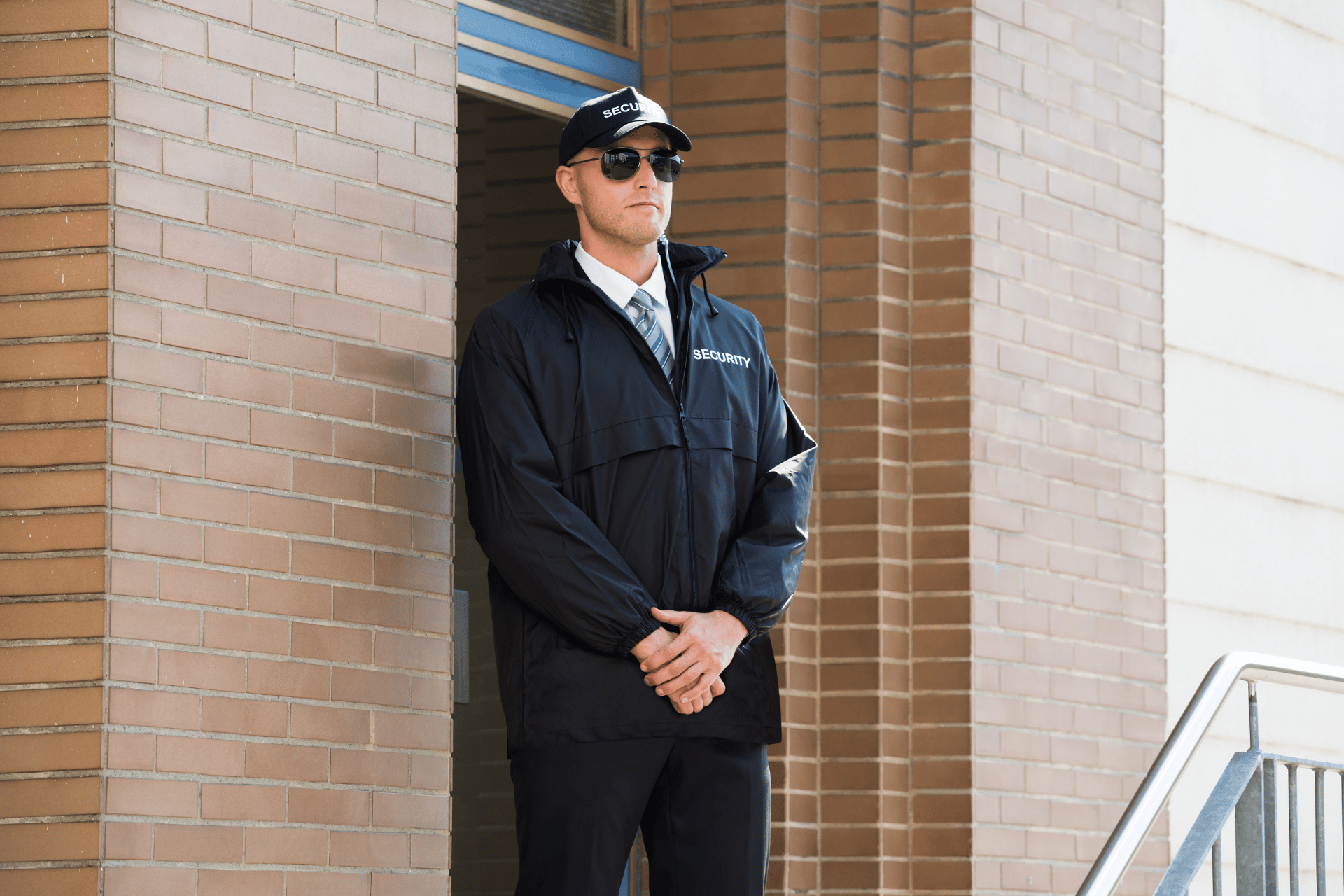
Most commercial properties in Dallas don't need an armed officer at the entrance. What they need is consistent, professional coverage from someone trained to deter problems before they start, manage access, and handle incidents correctly when they occur. Unarmed security Dallas property managers deploy across hotels, office buildings, multifamily communities, and retail centers do exactly that work, at a cost structure that fits the majority of commercial sites.
What Unarmed Security Officers Actually Do
There's a persistent misconception that unarmed security guards are just bodies filling a post. A well-trained unarmed officer carries out a defined range of functions that directly affect safety, liability, and the day-to-day experience of tenants, guests, and customers.
Deterrence Through Presence
Visible security presence changes behavior. When a uniformed officer is stationed at an entrance, walking a parking structure, or patrolling a lobby, opportunistic trespass, theft, and vandalism drop. The deterrence effect doesn't require an officer to be armed. It requires the officer to be present, attentive, and professional.
Most incidents that never happen don't generate incident reports. That makes deterrence the hardest security function to measure and one of the most valuable.
Access Control and Visitor Management
Unarmed officers manage who enters and exits a property. This includes verifying credentials at corporate buildings, enforcing guest policies at multifamily properties, checking IDs at hotel entrances, and turning away unauthorized individuals at restricted areas. Access control is both a security and a liability function: a documented record of who entered a facility on a given day has significant value when incidents are disputed.
Incident Observation and Reporting
When something goes wrong, whether a slip-and-fall, a disturbance, or a theft attempt, the responding officer's ability to observe accurately, document thoroughly, and coordinate with emergency services matters. Incident reports become part of the legal and insurance record. Officers who document vaguely create downstream problems for property owners.
Emergency Response Coordination
Unarmed officers are trained to recognize emergencies, respond correctly within their authority, contact the right services, and manage the scene until those services arrive. That includes fire evacuation, medical emergencies, active threat protocols, and natural disaster responses.
Texas Level II Licensing and Training Requirements
Texas regulates private security through the Texas DPS Private Security Bureau. Every unarmed security officer working in a professional capacity in this state must hold a valid Level II Non-Commissioned Security Officer license. Verifying that licensure before contracting any provider is a basic due-diligence step.
What Level II Requires
To obtain a Level II license in Texas, an applicant must:
- Complete a state-approved training course covering security fundamentals, legal authority, use of force, and emergency procedures
- Pass a written examination with a minimum score of 75%
- Submit to a background check and fingerprinting
- Meet the state's age and legal eligibility requirements
- Renew with continuing education on the required cycle
Officers who hold Level II and nothing else are non-commissioned: they carry no firearm on duty. The training covers both the legal framework governing officer authority in Texas and the practical skills required to perform the job.
Why Licensing Verification Matters
Any Dallas security provider who cannot confirm active Level II licensure for every officer they deploy is a legal and operational liability. The state makes verification available online. Before signing a contract with any guard company, confirm that assigned officers are current. An unlicensed officer working security is an exposure for the property owner as much as for the guard company.
Properties Best Served by Unarmed Security in Dallas
The Dallas-Fort Worth market includes a wide range of commercial property types where unarmed security is the appropriate, cost-effective choice. The common thread is that these properties face deterrable risks rather than credible violent threat scenarios.
Office buildings and corporate campuses. Lobby access control, after-hours patrols, and visitor management are the core needs. Armed coverage is rarely justified unless the tenant mix includes financial institutions or high-risk contractors.
Multifamily residential communities. Apartment complexes and condominium communities use unarmed security to enforce access policies, manage disputes, and deter trespassing. Residents generally respond better to approachable officers than to armed personnel.
Hotels and hospitality properties. Hotels need officers who can handle guest conflicts, manage late-night lobby situations, and coordinate with emergency services. Customer interaction skills matter as much as security fundamentals in this environment.
Retail centers and shopping properties. Loss prevention presence, parking lot patrols, and incident management are the primary functions. Most retail security needs don't require armed coverage unless the tenant mix includes high-value jewelry or pharmacy operations.
Healthcare facilities and hospitals. Hospital security covers patient management, visitor access control, and emergency coordination. Most healthcare security roles are unarmed, with specialized training in de-escalation and medical emergency support.
Schools and warehouses. Campus security prioritizes access control and emergency response. Warehouse and logistics properties typically need perimeter patrols and entry-point access control, without threat profiles that justify armed coverage.
When Unarmed Security Is the Wrong Choice
Unarmed coverage is the right fit for most Dallas commercial properties, but not all. Knowing the distinction prevents deploying coverage that's structurally insufficient for the actual risk profile.
Unarmed security is typically the wrong choice for:
- High-cash retail operations. Check cashers, payday lenders, and some convenience operators accumulate cash on-site in ways that attract motivated actors less deterred by an unarmed presence.
- Jewelry stores and luxury goods retailers. Organized smash-and-grab operations specifically target these businesses. The response profile of an unarmed officer is limited against that threat.
- Cannabis dispensaries. Cash-heavy operations combined with controlled substances consistently produce a risk profile that unarmed deterrence alone cannot address.
- Properties with documented violent threat history. If a property has experienced armed robbery or targeted violence, the security response should match that reality.
If your property falls into one of these categories, armed security in Dallas is the appropriate response, with officers trained for elevated threat profiles that unarmed coverage cannot adequately address.
What Separates a Quality Unarmed Security Program
Not all unarmed security is the same. ASIS International , the leading professional organization for security management, publishes standards and guidelines that inform how mature security programs are built and managed. The gap between compliant-but-mediocre coverage and a program that actually performs shows up in a few specific areas.
Officer selection and screening. Quality programs go beyond the state's background check. They screen for communication skills, professional demeanor, and situational judgment. The officer's profile should fit the property type: a corporate lobby and a hospital require different people.
Training beyond minimum state requirements. Level II training covers the legal floor. Quality programs add property-specific orientation, de-escalation technique training, and ongoing performance review.
Supervision and accountability. A guard program without active supervision deteriorates quickly. Quality providers assign supervisors who conduct site visits, review incident reports, and hold officers to documented performance standards. GPS-based tour verification and real-time reporting apps are practical indicators of a supervised program.
Incident reporting quality. Detailed, accurate, timely reports protect property owners legally and give management what they need to identify patterns and adjust protocols. Vague or inconsistent reporting is a red flag.
What This Means for Your DFW Property
For most Dallas commercial properties, unarmed security is the right coverage model. It delivers deterrence, access control, incident management, and a professional presence at a cost that fits the actual risk profile. The key is not choosing between armed and unarmed based on cost alone: match the program to the threats your property faces and select a provider whose officers are licensed, trained, supervised, and accountable. If you're evaluating security coverage for a DFW property, that assessment is the right starting point.
Frequently Asked Questions
How much does unarmed security cost in Dallas?
Unarmed security guard rates in Dallas typically range from $18 to $30 per hour per officer, depending on deployment type, hours, and post requirements. Multi-site contracts and longer-term agreements often carry volume pricing. A site-specific quote from a licensed Dallas security provider is the most reliable way to evaluate cost against your budget.
What licensing do unarmed security guards need in Texas?
Unarmed security officers in Texas must hold a Level II Non-Commissioned Security Officer license issued through the Texas DPS Private Security Bureau. This requires completing a state-approved training course, passing a written exam, and clearing a background and fingerprinting check. You can verify any officer's current license status through the DPS online portal.
Are unarmed officers trained for emergencies?
Yes. Texas Level II training includes emergency response protocols covering medical emergencies, fire evacuation, active threat situations, and natural disasters. Quality providers supplement that with property-specific drills and procedure reviews. An unarmed officer's role in an emergency is coordination and scene management: recognizing the situation, contacting the right services, and managing the scene until they arrive.
When should I switch from unarmed to armed security?
The signal is a change in your property's threat profile. High-cash accumulation, high-value merchandise, controlled substances, or a documented history of armed incidents are the conditions that push a property toward armed coverage. If your unarmed program is performing well and the incidents you manage are access control issues and minor disturbances, there's no operational reason to escalate.
Can unarmed security guards detain trespassers?
Texas law permits private security officers to make a citizen's arrest under limited circumstances. In practice, unarmed officers are trained to observe, document, and contact law enforcement rather than physically detain individuals. Most programs prohibit physical confrontation that isn't immediately necessary to prevent harm. Officers can direct individuals to leave, document non-compliance, and call local law enforcement to handle the detention.
Get Reliable Unarmed Security Coverage for Your Dallas Property
Cascadia Global Security provides unarmed security services across the Dallas-Fort Worth market. Every officer we deploy holds a current Texas Level II license and is trained to the specific requirements of the property type they're assigned to. We work with property managers, commercial landlords, hotel operators, and facility directors to build programs that match actual coverage needs.
Whether you're evaluating security for a single site or managing a portfolio of DFW commercial properties, we're ready to help. Call us at (800) 939-1549 or request a quote to start the conversation. If you're earlier in the process and still choosing a Dallas security partner , it pays to review what separates quality providers before you sign.